

Hob Flame Maintenance: Expert Troubleshooting Guide
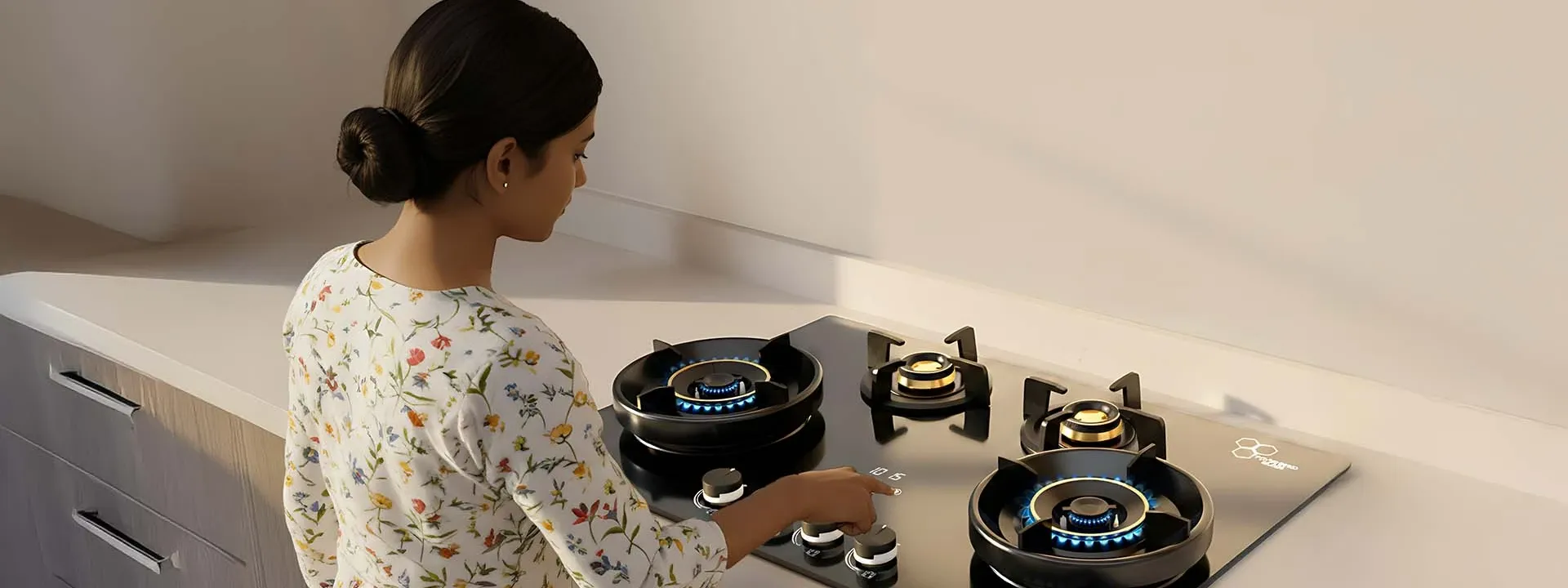
A well-functioning gas hob is the heart of any efficient kitchen, but maintaining consistent flame performance requires proper care and understanding. Many home cooks struggle with irregular flames, uneven heating, and burners that won't stay lit consistently. These issues not only affect cooking quality but can also waste energy and create safety concerns. Learning how to maintain consistent flame on hob systems ensures optimal cooking performance and extends your appliance's lifespan.
Every gas hob operates on a simple yet precise system that requires proper hob flame control to function effectively. The burner assembly includes several key components that work together to create the perfect cooking flame.
The main components include the burner cap, burner head, gas jet, air shutter, and thermocouple. Each part plays a crucial role in flame regulation. The gas jet controls fuel flow, while the air shutter manages oxygen intake for proper combustion.
Optimal flame performance depends on the correct gas-to-air ratio. When this balance is maintained, you get a steady blue flame that provides efficient heat transfer. Poor regulation results in weak, inconsistent, or incorrectly colored flames.
A healthy flame appears blue with a small inner cone and burns steadily without flickering. Problematic flames may be yellow, orange, or green, indicating incomplete combustion or contamination.
Identifying gas hob flame problems early helps prevent more serious issues and maintains cooking efficiency. Most flame inconsistencies stem from blockages, improper adjustments, or component wear.
This common issue often results from a dirty or faulty thermocouple. Food debris around the sensor prevents it from detecting the flame properly, causing the safety mechanism to shut off gas flow.
Blocked burner ports create uneven flame distribution. Grease, food particles, or cleaning product residue can clog these small openings, disrupting the flame pattern.
Incorrect air shutter positioning affects flame intensity. Too much air creates a weak flame, while insufficient air produces a high, potentially dangerous flame.
Colored flames indicate incomplete combustion, often caused by insufficient air supply or contaminated gas lines. This reduces heating efficiency and may produce harmful carbon monoxide.
Regular hob burner cleaning is fundamental to maintaining consistent hob flame performance. A systematic cleaning approach prevents most common flame problems.
After each cooking session, wipe down burner caps and grates while they're still warm. Remove any spills immediately to prevent hardening and buildup.
Weekly deep cleaning involves removing burner caps and using a thin wire or needle to clear blocked ports. Soak caps in warm soapy water and scrub gently with a soft brush.
Use a mixture of baking soda and water to create a paste for stubborn grease. Apply to affected areas, let sit for 15 minutes, then scrub gently and rinse thoroughly.
Gently clean the thermocouple with a soft cloth and mild detergent. Avoid using abrasive materials that could damage this sensitive component.
Learning to adjust hob flame properly ensures optimal cooking results and energy efficiency. Proper hob flame regulation requires understanding your specific hob model.
Air shutters are typically located at the base of each burner. Turn them gradually while observing flame changes. The goal is achieving a stable blue flame with minimal noise.
The ideal flame height should not extend beyond the bottom of your cookware. Flames that lick up the sides waste energy and can damage pots and pans.
LPG and natural gas require different air-to-fuel ratios. If you switch gas types, professional adjustment is recommended to ensure safety and efficiency.
Simmering requires a very low, stable flame, while stir-frying needs high heat. Learn to adjust flames smoothly between these extremes for versatile cooking.
When basic maintenance doesn't resolve hob flame maintenance issues, more advanced troubleshooting may be necessary. Understanding when to attempt repairs versus calling professionals is crucial for safety.
Low gas pressure affects all burners simultaneously. If multiple burners show weak flames, contact your gas supplier to check pressure levels and supply consistency.
A failing thermocouple may cause intermittent flame cutoffs. This component typically lasts 5-10 years but may need earlier replacement in heavily used kitchens.
Stuck or damaged air shutters prevent proper flame adjustment. Sometimes gentle lubrication helps, but damaged shutters require professional replacement.
Severely blocked gas jets need careful cleaning with appropriate tools. Never use toothpicks or wooden items that could break off inside the jet.
Establishing a regular maintenance routine using proven gas hob maintenance tips prevents most flame problems and ensures efficient hob cooking for years.
Clean burner caps, check flame colors, test ignition systems, and wipe down all surfaces. This routine takes only 10-15 minutes but prevents major issues.
Remove and thoroughly clean all removable parts, check gas connections for leaks using soapy water, and inspect thermocouples for damage or corrosion.
Schedule yearly professional maintenance to check gas pressure, calibrate flame settings, inspect internal components, and ensure safety systems function properly.
Gas odors, consistently yellow flames, unusual noises, or flames that won't light require immediate professional attention for safety reasons.
Inconsistent flames usually result from dirty thermocouples, blocked burner ports, or faulty safety mechanisms. Clean the thermocouple first, then check for blockages in burner ports.
Colored flames indicate insufficient air supply. Adjust the air shutter gradually until you achieve a steady blue flame. If the problem persists, check for blocked air intakes.
Flames should reach just to the bottom of your cookware without extending up the sides. This provides maximum heat transfer while minimizing energy waste.
Clean burner caps after each use and perform deep cleaning weekly. Monthly maintenance should include removing all parts for thorough cleaning.
Contact professionals for gas leaks, persistent flame problems after cleaning, thermocouple replacement, or any safety concerns. Never attempt major gas appliance repairs yourself.
Basic air shutter adjustments are safe for homeowners, but major modifications require professional service. Always turn off gas supply before making any adjustments.
Maintaining consistent hob flames requires regular cleaning, proper adjustments, and understanding your appliance's components. Daily care prevents most problems, while weekly deep cleaning ensures optimal performance. Remember that safety always comes first – when in doubt, consult professionals. With proper maintenance, your gas hob will provide years of reliable, efficient cooking performance. The investment in regular care pays dividends in energy savings, cooking quality, and appliance longevity.
