

Glass Cooktop Safety: A Complete Step-by-Step Guide
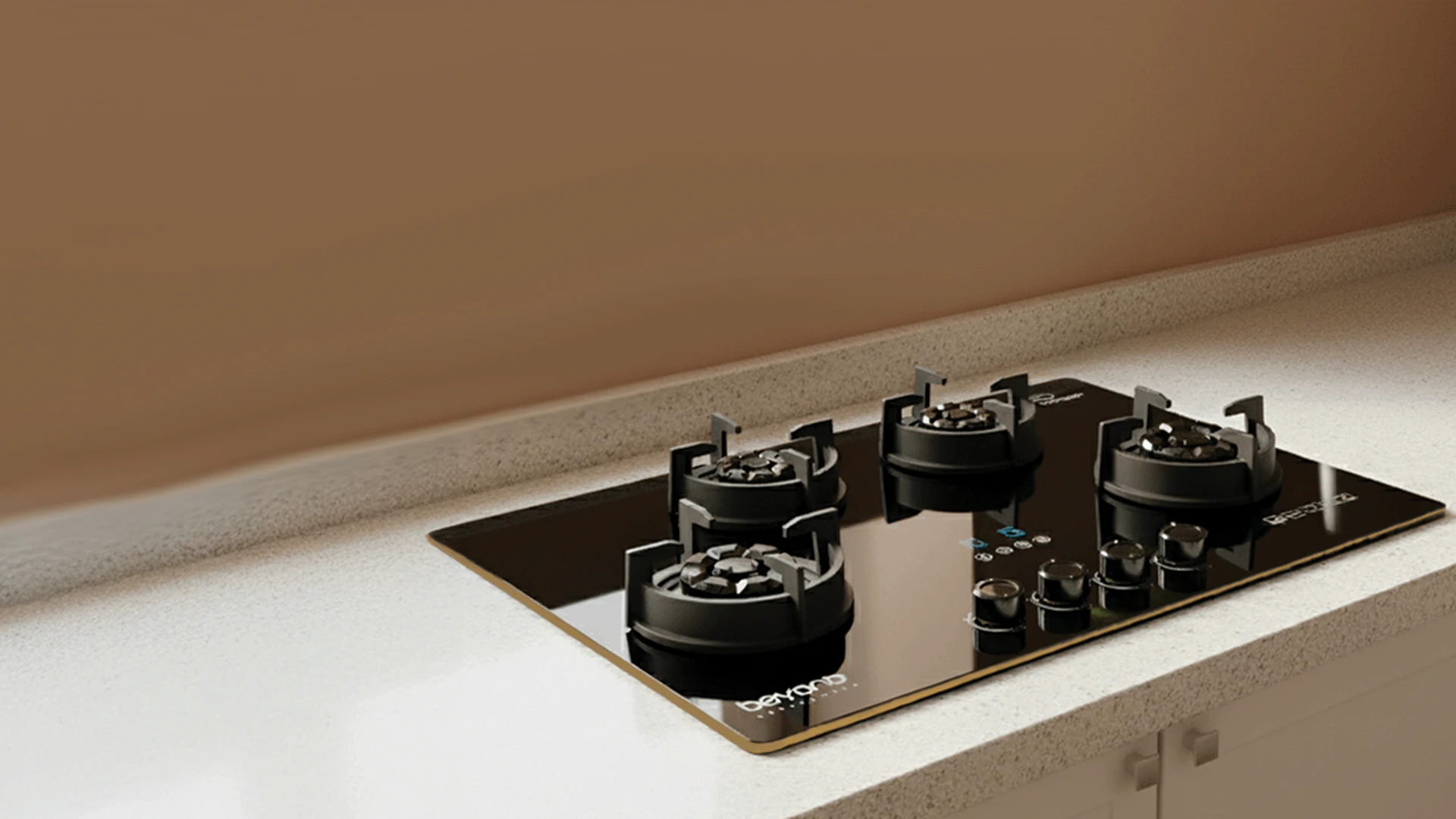
Glass cooktops have become increasingly popular in modern kitchens, offering sleek aesthetics and easy cleaning. However, many homeowners wonder: are glass cooktops safe for daily cooking? This comprehensive guide addresses common safety concerns, proper usage techniques, and maintenance practices to help you make informed decisions about glass cooktop safety. Understanding the risks and benefits ensures you can enjoy your cooking surface while maintaining a safe kitchen environment for your family.
Modern glass cooktops use tempered glass construction that meets strict safety standards. This specialized glass can withstand temperatures up to 1,000 degrees Fahrenheit and undergoes rigorous testing for thermal shock resistance. Glass cooktop safety has improved significantly over the years, with manufacturers implementing multiple safety features including automatic shut-off systems and residual heat indicators. The safety profile of glass cooktops compares favorably to traditional cooking surfaces when used correctly. Statistical data shows that glass cooktop incidents are primarily related to improper use rather than inherent design flaws. Most safety concerns arise from thermal shock, impact damage, or using inappropriate cookware. Understanding these factors helps answer the question are glass cooktops safe with confidence.
Different glass cooktop technologies offer varying safety characteristics. Understanding these differences helps you choose the right option for your kitchen needs. Each type has specific safety considerations that affect daily use and long-term reliability.
Electric ceramic cooktops use radiant heating elements beneath the glass surface. These units provide excellent heat distribution and feature safety indicators that show when surfaces remain hot. Electric cooktop safety includes automatic temperature controls and thermal limiters that prevent overheating.
Induction technology offers superior safety features by heating cookware directly through electromagnetic fields. Induction cooktop dangers are minimal since the surface stays relatively cool during cooking. Concerns about cooktop radiation are unfounded, as electromagnetic emissions remain well within international safety standards.
Gas units with glass surfaces combine traditional flame cooking with modern aesthetics. These models require additional safety considerations for both gas handling and glass protection. Proper ventilation becomes crucial for both combustion safety and preventing thermal stress on the glass surface.
Recognizing potential glass stove top hazards helps prevent accidents and extends your cooktop's lifespan. Most problems result from improper handling, inappropriate cookware, or inadequate maintenance. Proactive prevention strategies significantly reduce safety risks. Thermal shock represents the most serious threat to glass cooktops. This occurs when extreme temperature changes cause the glass to crack or shatter. Avoid placing cold cookware on hot surfaces or exposing hot glass to cold water. Always allow gradual temperature transitions to prevent thermal stress. Impact damage from heavy cookware poses another significant risk. Cast iron skillets, large stockpots, and ceramic dishes can crack the glass surface if dropped or handled roughly. Glass top stove problems often stem from using inappropriate cookware materials that can scratch or damage the surface. Spill-related hazards include sugar-based substances that can permanently damage the glass when heated. These materials bond with the hot surface and become extremely difficult to remove. Immediate cleanup prevents permanent damage and maintains cooking surface safety.
Proper cookware selection and handling techniques are essential for glass cooktop safety. The right equipment prevents damage while ensuring optimal cooking performance. Understanding cookware compatibility helps maintain your investment and prevents costly repairs. Recommended cookware includes stainless steel, aluminum, and carbon steel with flat, smooth bottoms. These materials distribute heat evenly and won't scratch the glass surface. Avoid cookware with rough bottoms, decorative ridges, or warped bases that can damage the cooking surface.
Cast iron requires special consideration due to its weight and rough surface texture. While usable, it demands careful handling to prevent scratches and cracks. Glass and ceramic cookware can shatter from thermal shock, creating safety hazards and potential glass damage.
Always lift cookware instead of dragging it across the surface. This simple practice prevents scratches and maintains the glass's smooth finish. Distribute weight evenly and avoid concentrating heavy loads on small areas of the cooking surface.
Regular maintenance ensures optimal glass cooktop safety and extends equipment lifespan. Proper cleaning techniques prevent damage while maintaining the surface's appearance and functionality. Following manufacturer guidelines protects your warranty and investment. Daily cleaning should occur only after the surface cools completely. Use specialized glass cooktop cleaners and non-abrasive tools to remove food residue and spills. Avoid harsh chemicals, steel wool, or abrasive sponges that can scratch the surface.
Weekly maintenance includes thorough cleaning with approved products and careful inspection for damage. Remove stubborn stains using recommended scrapers held at proper angles. Check for hairline cracks, chips, or discoloration that might indicate developing problems.
Annual professional inspections help identify potential issues before they become safety hazards. Qualified technicians can assess electrical connections, heating elements, and structural integrity. This proactive approach prevents glass top stove problems and ensures continued safe operation.
Recognizing danger signals helps prevent accidents and protects your family's safety. Immediate response to warning signs prevents minor issues from becoming major hazards. Understanding when to stop using your cooktop protects both people and property. Visible cracks, regardless of size, require immediate discontinuation of use. Even hairline fractures can expand rapidly under thermal stress, leading to complete failure. Glass stove top hazards increase dramatically once structural integrity becomes compromised. Uneven heating patterns, unusual sounds, or electrical issues indicate potential safety problems. These symptoms often precede more serious failures and require professional evaluation. Never attempt repairs on electrical components without proper training and equipment.
For electric units, turn off circuit breakers if normal controls become unresponsive. Gas models require shutting off the gas supply at the appliance or main valve. Remove all cookware and allow complete cooling before attempting any inspection or cleanup.
Yes, glass cooktops are safe for daily use when handled properly with appropriate flat-bottomed cookware and gentle cleaning practices. Modern safety features and tempered glass construction provide reliable protection for normal cooking activities.
Glass cooktops are prone to cracking if mishandled, more expensive to repair than traditional surfaces, and require specific cookware types. They also show water spots and fingerprints more readily than other surfaces.
Both are safe when used correctly. Stainless steel is more durable and forgiving with cookware choices, while glass tops offer easier cleaning but need more careful handling to prevent damage.
Electric and ceramic glass cooktops produce minimal electromagnetic fields. Induction cooktops use magnetic fields but operate well within established safety standards and pose no health risks.
Look for visible cracks, chips, uneven heating, or unusual sounds during operation. Any visible damage requires immediate discontinuation of use and professional evaluation before resuming cooking activities.
Glass cooktop safety depends largely on proper use, appropriate cookware, and regular maintenance. While these surfaces require more careful handling than traditional alternatives, they offer excellent safety when used correctly. Understanding potential hazards and following manufacturer guidelines ensures years of safe, efficient cooking. The question are glass cooktops safe has a definitive yes answer when users follow proper protocols and maintain their equipment appropriately.
