

Even Cooking 101: Expert Tips for Perfect Meals
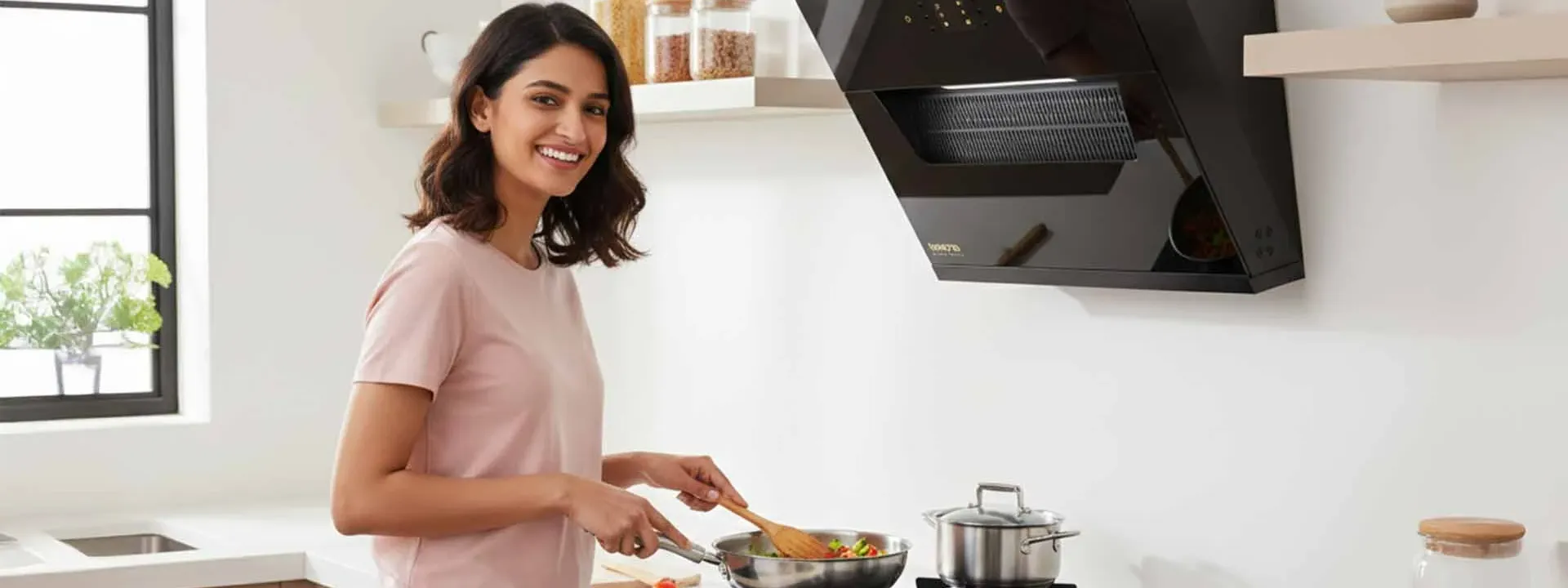
Getting perfectly cooked meals every time isn't just about following recipes—it's about mastering the art of even cooking techniques. Whether you're a beginner cook or someone who's been in the kitchen for years, achieving consistent cooking results can transform your culinary experience. The difference between a good meal and a great one often comes down to how evenly your food cooks. From proteins with tender, juicy centers to vegetables that are crisp-tender throughout, uniform cooking ensures every bite is as delicious as the last. Let's explore the essential tips for even cooking that will elevate your kitchen skills and help you create restaurant-quality meals at home.
Understanding the science behind heat distribution cooking is crucial for any home cook. When heat spreads evenly throughout your food, proteins cook uniformly, vegetables maintain their texture, and flavors develop consistently. This process ensures food safety by eliminating cold spots where harmful bacteria might survive. Uneven cooking shows up in several frustrating ways. You might notice burnt edges while the center remains raw, tough spots in what should be tender meat, or vegetables that are mushy on one side and crunchy on the other. These issues don't just affect taste—they impact the visual appeal of your dishes and can make dining less enjoyable for your family and guests.
Poor cooking consistency leads to significant food waste. When dishes turn out unevenly cooked, you often have to throw them away and start over. This wastes ingredients, time, and money. Additionally, overcooking destroys vital nutrients, while undercooking can pose health risks.
Mastering temperature control forms the foundation of how to cook evenly. Different heat sources—gas, electric, and induction—behave differently, so understanding your equipment is essential. Gas burners provide instant heat control but can create hot spots. Electric coils heat more evenly but take time to adjust. Induction cooktops offer precise temperature control and even heating. Proper preheating cannot be overstated. Allow your pan to heat for 2-3 minutes on medium heat before adding oil or food. This creates an even cooking surface that prevents sticking and promotes uniform browning. Medium heat should be your default setting for most cooking tasks, as it allows food to cook through evenly without burning the exterior.
Bring proteins to room temperature 15-30 minutes before cooking. Cold meat hitting a hot pan creates uneven cooking—the outside cooks too quickly while the inside remains cold. The "hot pan, cold oil" technique prevents sticking and ensures even browning. Heat your pan first, then add oil just before adding food.
Choosing the right cookware significantly impacts heat distribution cooking. Heavy-bottomed pans distribute heat more evenly than thin ones, preventing hot spots that cause uneven cooking. Cast iron excels at retaining and distributing heat uniformly, making it ideal for searing and baking. While non-stick pans offer convenience, they may not provide the same even heating as traditional materials. For oven cooking, rack positioning affects how evenly your food cooks. The center rack provides the most even heat distribution for most dishes. Use convection settings when available—the circulating air helps eliminate hot spots and promotes uniform cooking. Rotate dishes halfway through cooking time, especially in older ovens with known hot spots.
Invest in an instant-read thermometer to check doneness without guessing. Heat diffusers help distribute heat evenly across pan bottoms, especially useful for delicate sauces or slow cooking. Multiple timers help you track different components of complex meals.
Overcrowding ranks as the top mistake that leads to uneven cooking. When food pieces touch each other, they steam rather than brown, creating soggy textures and uneven doneness. Steam needs space to escape, so leave gaps between pieces. If you have too much food, cook in batches rather than cramming everything into one pan. Temperature shock occurs when cold ingredients hit extremely hot surfaces, causing the exterior to cook too quickly while the interior remains cold. This creates tough, unevenly cooked results. Instead, allow ingredients to come closer to room temperature before cooking, and use medium heat to allow gradual, even cooking.
If you notice undercooked centers, lower the heat and cover the pan to allow gentle, even cooking throughout. For burnt exteriors with raw interiors, remove from heat immediately and finish cooking in a preheated oven at 350°F. When salvaging unevenly cooked dishes, cut food into smaller, uniform pieces and continue cooking gently.
Proteins require special attention for perfectly cooked food. Pound chicken breasts to uniform thickness, ensuring even cooking throughout. Butterfly thick cuts to create more surface area and reduce cooking time. Use a meat thermometer to check the thickest part—chicken should reach 165°F, while beef varies by desired doneness. Vegetables cook more evenly when cut to similar sizes. Blanching dense vegetables like carrots or broccoli for 1-2 minutes before adding to stir-fries ensures everything finishes cooking simultaneously. Layer vegetables by cooking time—add longer-cooking items first, then add quicker-cooking ones.
Large roasts benefit from reverse searing—cook low and slow in the oven, then finish with high heat for browning. Delicate fish requires gentle, even heat and minimal handling. For mixed ingredient dishes, partially cook components separately before combining.
Smart cooking involves planning ahead for consistent results. Batch cooking allows you to prepare larger quantities while maintaining quality. Portion foods uniformly for even reheating later. Store components separately when possible to maintain textures and flavors. One-pan cooking strategies can work well when you understand timing. Start with ingredients that take longest to cook, then add others in stages. This approach requires attention but saves cleanup time while maintaining cooking consistency.
Smart thermometers with phone alerts help monitor cooking progress without constant checking. Recipe scaling calculators ensure proper ratios when cooking for different numbers of people. Timing apps help coordinate multiple dishes for simultaneous completion.
Rotate dishes every 15-20 minutes during cooking. Use the center rack position for most even heat distribution. Consider placing a pizza stone or baking steel on the bottom rack to help distribute heat more evenly throughout the oven.
Start with medium heat settings and use timers consistently. Avoid overcrowding pans, and let proteins come to room temperature before cooking. Practice with simple dishes before attempting complex recipes.
Look for consistent browning patterns and listen for even sizzling sounds. Use an instant-read thermometer for proteins, checking the thickest part. Visual cues like steam patterns can also indicate even cooking.
Pound chicken breasts to uniform thickness before cooking. Avoid moving the chicken too early—let it develop a proper sear. Use a meat thermometer to ensure the thickest part reaches 165°F internal temperature.
Overcrowding pans, using incorrect heat levels, inadequate preheating, and starting with cold ingredients are the primary culprits. Additionally, using the wrong pan size or type can create uneven heat distribution.
They use proper mise en place, understand their equipment thoroughly, maintain consistent techniques, and constantly taste and adjust during cooking. They also understand timing and heat management from extensive practice.
Mastering even cooking techniques transforms your kitchen experience from frustrating to rewarding. These cooking tips require practice, but the results—perfectly cooked food every time—make the effort worthwhile. Remember that consistency comes from understanding your equipment, controlling temperature, and paying attention to timing. Start with simple dishes to build confidence, then gradually tackle more complex recipes. With proper technique and the right equipment, including quality cooktops and efficient kitchen ventilation, you'll achieve restaurant-quality results in your own home. The key is patience, practice, and applying these proven methods consistently.
