

Essential Stove Top Maintenance Checklist
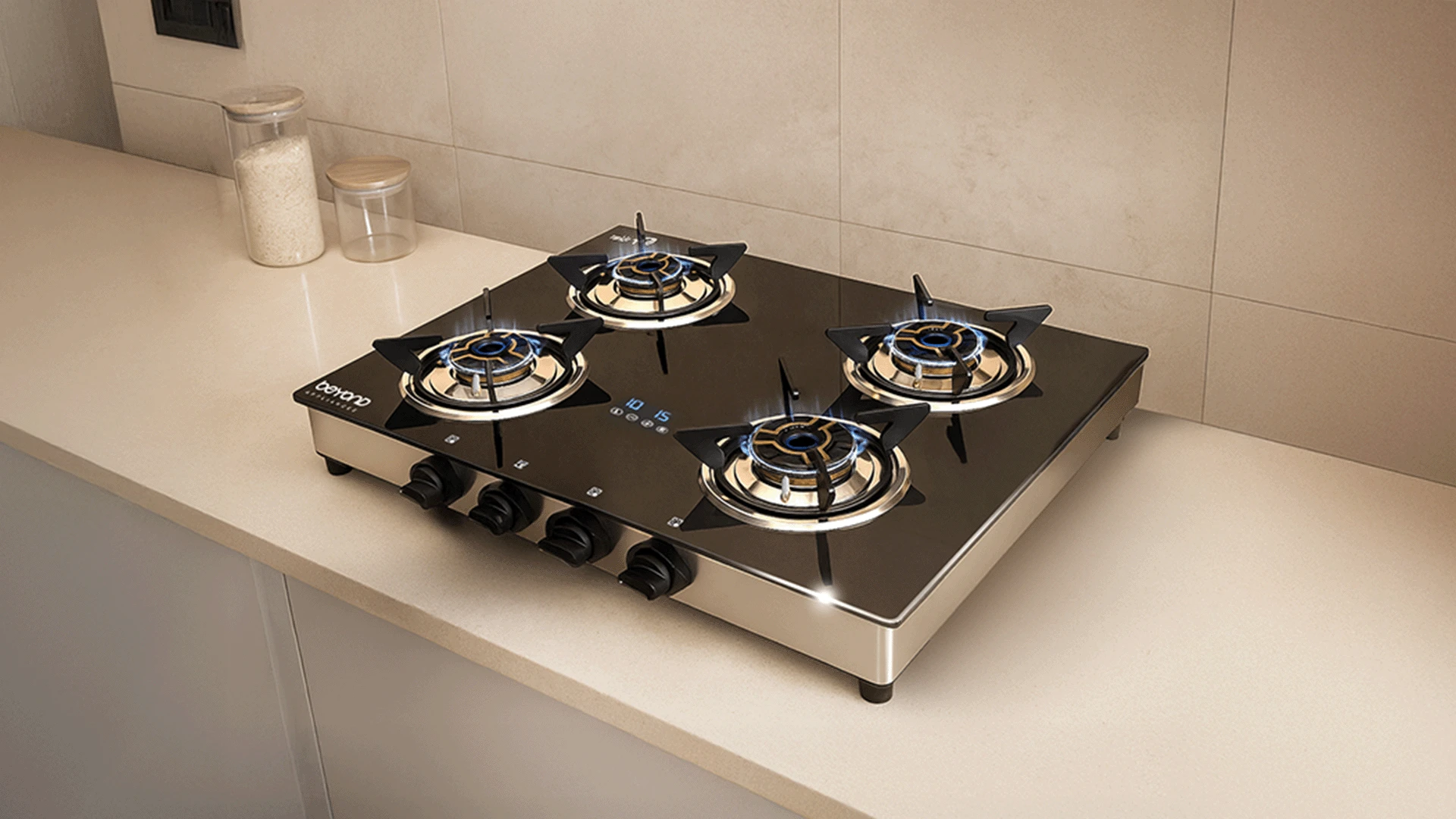
Your kitchen stove is the heart of daily cooking, working tirelessly to prepare countless meals. Whether you own a gas stove, electric stove, or modern induction cooktop, proper maintenance ensures optimal performance and extends appliance lifespan. Regular care prevents costly repairs, maintains safety standards, and keeps your cooking range operating efficiently. This comprehensive maintenance checklist covers all cooktop types, from traditional gas burners to sleek portable stove units, helping you maintain your kitchen stove investment for years of reliable service.
Every kitchen stove operates differently, requiring specific maintenance approaches based on its technology and design. Understanding your cooktop type helps you follow the right maintenance procedures and avoid damage from incorrect cleaning methods.
Gas stove systems feature visible flames from burner assemblies, with removable grates and drip pans for easy cleaning. The control knobs regulate gas flow, while ignition systems create sparks for lighting. Electric stove models use heating coils or smooth glass surfaces, with elements that glow red when heated. Induction cooktop technology uses magnetic fields to heat compatible cookware directly, featuring touch controls and precise temperature management. Portable stove units offer flexibility but require similar maintenance principles as their built-in counterparts.
Burner assemblies require frequent cleaning to prevent clogs and ensure even heating. Control panels accumulate grease and food residue, affecting functionality over time. Ventilation components, including range hoods and exhaust fans, need regular filter changes and cleaning. Kitchen stove safety features like automatic shut-offs and flame sensors require periodic testing to ensure proper operation.
Daily maintenance prevents buildup and keeps your cooktop looking pristine. These quick tasks take minimal time but provide maximum protection for your cooking range investment.
Clean spills immediately while the cooktop surface remains warm but safe to touch. Use appropriate cleaners for your specific surface type - mild soap for gas grates, specialized cleaners for glass tops. Remove burner grates and drip pans after cooking to prevent food residue from hardening. Wipe control knobs and surrounding areas with a damp cloth to prevent grease accumulation.
Perform brief safety inspections during daily use. For gas stove units, listen for unusual sounds or smell for gas leaks around connections. Check electric stove elements for visible damage or uneven heating patterns. Test control knob responsiveness and ensure all burner assemblies ignite properly.
Weekly deep cleaning maintains your stove top appearance and prevents long-term damage. Each cooktop type requires specific cleaning approaches to avoid damage and maintain warranty coverage.
Remove all burner caps, grates, and drip pans for thorough washing in warm, soapy water. Clean stove parts individually, scrubbing away grease and food residue with non-abrasive cleaners. Degrease the gas stove surface using appropriate cleaners, avoiding harsh chemicals that might damage finishes. Dry all components completely before reassembly to prevent rust and corrosion.
Electric stove coil elements require gentle cleaning with mild detergent and soft cloths. For smooth-top models, use specialized glass cleaners to remove stains without scratching. Induction cooktop surfaces need careful attention to prevent scratches from abrasive cleaners or rough sponges. Remove stubborn stains using recommended cleaning products and plastic scrapers designed for glass surfaces.
Integrated stovetop grill surfaces require seasoning after cleaning to maintain non-stick properties. Remove grease buildup from griddle surfaces using appropriate degreasers. Apply thin oil coats to prevent rust formation on cast iron components. Clean drainage systems thoroughly to prevent grease accumulation and potential fire hazards.
Monthly maintenance addresses deeper cleaning needs and component inspections. These tasks ensure your cooking range operates safely and efficiently throughout its lifespan.
Clean burner ports using thin wires or specialized cleaning tools to remove clogs. Inspect gas line connections for signs of wear or leakage. Clean igniter components gently with soft brushes to maintain spark quality. Check flame patterns for evenness and adjust air shutters if necessary.
Inspect electric stove elements for signs of damage, including cracks or discoloration. Clean control panels thoroughly, removing grease from behind knobs and switches. Check wiring connections for loose or damaged components. Test all safety features, including automatic shut-offs and temperature sensors.
Replace or clean range hood filters according to manufacturer recommendations. Clean exhaust fan blades and housing to maintain proper airflow. Inspect ductwork for grease accumulation or blockages. Test ventilation system effectiveness during cooking to ensure proper smoke and odor removal.
Identifying and addressing common issues prevents minor problems from becoming major repairs. Understanding basic troubleshooting saves time and money while maintaining cooking range reliability.
Uneven flame patterns on burner units often indicate clogged ports or incorrect air mixture settings. Ignition problems typically stem from dirty igniters or faulty electrical connections. Gas smell issues require immediate attention - turn off gas supply and contact professionals for inspection. Clean burner assemblies regularly to prevent most common gas stove problems.
Electric stove heating element failures show as uneven heating or complete lack of heat generation. Induction cooktop error codes indicate specific problems - consult user manuals for troubleshooting steps. Portable stove malfunctions often relate to power supply issues or damaged heating elements. Replace faulty components promptly to prevent further damage.
Safety remains paramount in stove top maintenance and operation. Following proper safety protocols protects your family and property while extending appliance lifespan.
Prevent grease fires by maintaining clean stove top surfaces and proper ventilation. Keep fire extinguishers nearby and know emergency shut-off procedures for your specific cooktop type. Never leave cooking unattended, especially when using high heat settings. Install smoke detectors near cooking areas and test them regularly.
Install burner safety locks and controls to prevent accidental activation. Teach family members safe cooking range habits and emergency procedures. Consider smart home integration features that provide remote monitoring and control capabilities. Maintain clear areas around the kitchen stove to prevent accidents and ensure easy access during emergencies.
Clean gas stove burners weekly for regular use, with deep cleaning monthly to prevent clogs and ensure optimal performance. Daily wipe-downs after cooking prevent buildup and make weekly cleaning easier.
Use only induction cooktop-specific cleaners or mild dish soap to avoid damaging the glass surface and maintain warranty coverage. Avoid abrasive cleaners that can scratch the delicate surface.
Electric stove uneven heating typically results from damaged heating elements, poor cookware contact, or electrical connection issues. Inspect elements regularly and replace damaged components promptly.
Replace stove parts when they show visible damage, fail to heat properly, or create safety hazards. Regular maintenance helps identify worn components before they fail completely.
Professional maintenance ensures safety compliance and warranty protection. Schedule annual inspections for gas stove units and biannual checks for complex electric stove systems.
Regular stove top maintenance protects your investment while ensuring safe, efficient cooking experiences. Whether you own a traditional gas stove, modern induction cooktop, or versatile portable stove, following this comprehensive maintenance checklist keeps your kitchen stove operating at peak performance. Remember that proper care extends appliance lifespan, reduces repair costs, and maintains optimal cooking results. Invest time in regular maintenance to enjoy years of reliable service from your cooking range.
