

Essential Kitchen Timer Stove Tips Checklist for Efficient Cooking
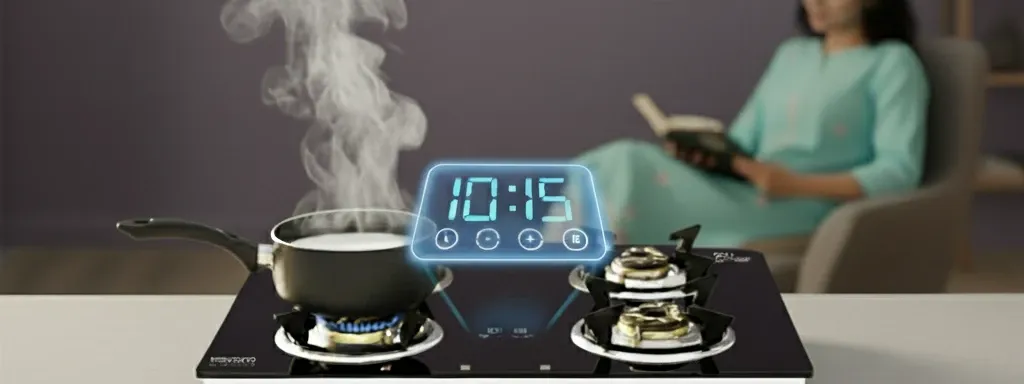
Modern kitchens demand precision timing to achieve perfect cooking results. Whether you're preparing a simple breakfast or orchestrating a multi-course dinner, mastering your stove's timer system can transform your cooking experience. Smart timing techniques help prevent overcooking, ensure food safety, and create perfectly synchronized meals. This comprehensive checklist covers everything from basic timer operations to advanced multi-dish coordination strategies that professional chefs use daily.
Every stove timer system operates differently, and knowing your specific model's features is crucial for efficient cooking. Electric stoves typically feature digital displays with precise minute-by-minute controls, while gas stoves may have simpler mechanical timers or no built-in timing at all.
Most modern electric stoves include multiple timer functions beyond basic countdown alerts. Look for your timer controls near the temperature dials or on a separate digital panel. These controls often feature symbols like clock icons, bell shapes, or simple "Timer" labels that make identification straightforward.
Digital interfaces offer precise timing down to the second and often include multiple simultaneous timers. These systems typically display remaining time clearly and provide various alert tones. Mechanical timers use spring-loaded mechanisms that wind down gradually, producing that familiar ticking sound many home cooks find reassuring.
Understanding your stove's timer symbols prevents confusion during busy cooking sessions. Clock icons usually indicate timer functions, while bell symbols represent alert settings. Some advanced models show multiple countdown displays simultaneously, allowing you to track several dishes at once.
Proper timer setup begins before you start cooking. Always set your desired heat level first, then activate the timer function. This sequence ensures accurate timing that corresponds with your cooking temperature.
Start by turning your burner to the required heat setting. Locate the timer controls and press the timer button to activate the display. Use the plus and minus buttons to set your desired cooking duration, then press start or confirm to begin the countdown.
Advanced electric stoves allow simultaneous temperature and timing control. Set your target temperature first, then program the cooking duration. The system automatically maintains heat levels while counting down to your specified time.
Modern stove timers include multiple alert options beyond simple beeping. Some models offer visual alerts through flashing displays, while others provide escalating sound patterns that increase in volume. Auto shut-off features automatically turn off burners when timers expire, preventing overcooking and enhancing kitchen safety.
Coordinating multiple dishes requires strategic timer management that goes beyond basic countdown functions. Professional chefs use staggered timing techniques to ensure all components finish simultaneously, creating perfectly synchronized meals.
Start with your longest-cooking item and work backwards. If your main dish requires 45 minutes and your side dish needs 20 minutes, set the main dish timer first, then add the side dish timer 25 minutes later. This backward-planning approach prevents early completion and keeps food at optimal serving temperature.
Managing multiple timer alerts requires clear organization systems. Assign different alert tones to different dishes when possible, or use visual cues like colored sticky notes near each burner. This system helps identify which timer corresponds to which dish during busy cooking sessions.
Prioritize timers based on cooking sensitivity rather than completion order. Delicate items like eggs or fish require immediate attention when timers expire, while heartier dishes like roasted vegetables can wait a few extra minutes without significant quality loss.
While built-in stove timers provide basic functionality, additional timing tools expand your cooking capabilities significantly. Standalone digital timers offer portability and multiple simultaneous countdowns that many built-in systems cannot match.
Magnetic timers attach directly to your stove or nearby metal surfaces, keeping timing controls within easy reach. These compact devices often feature louder alerts than built-in systems and remain visible even when oven doors or cabinet doors might block built-in displays.
Professional-grade multi-timer devices can track up to four different countdowns simultaneously. These tools prove invaluable during holiday cooking or when preparing elaborate dinner parties. Each timer typically features distinct alert tones and clear labeling systems.
Smartphone timer apps offer unlimited simultaneous timers and custom labeling options. However, physical timers remain more reliable in steamy kitchen environments and don't require clean hands to operate. Many experienced cooks use both systems for maximum flexibility.
Professional chefs rely on specific timing techniques that ensure consistent results across different cooking methods. These proven strategies help home cooks achieve restaurant-quality timing precision in their own kitchens.
The three-minute rule for soft-boiled eggs demonstrates perfect timer application. Bring water to a rolling boil, gently add eggs, then set your timer for exactly three minutes. This technique produces consistently runny yolks with set whites every time.
Successful cooking requires coordinating both temperature and timing elements. High-heat searing might need only 2-3 minutes per side, while low-heat braising could require hours. Adjust your timer expectations based on your chosen cooking temperature for optimal results.
Important dishes deserve backup timing systems. Set both your stove timer and a separate kitchen timer for expensive proteins or special occasion meals. This redundancy prevents costly overcooking mistakes that could ruin entire meals.
Even experienced cooks make timer-related mistakes that can compromise meal quality. Understanding these common errors helps develop better timing habits that improve cooking consistency.
Forgetting to set timers before cooking ranks as the most frequent mistake. Develop a pre-cooking checklist that includes timer activation as a mandatory step. This habit becomes automatic with practice and prevents countless overcooked meals.
Ignoring timer alerts during hectic cooking sessions leads to overcooking and food waste. Train yourself to respond immediately to timer sounds, even if you're in the middle of other cooking tasks. Quick acknowledgment prevents forgotten dishes and maintains cooking quality.
Timer accuracy varies between different devices and cooking methods. Test your timers periodically using known cooking times for familiar dishes. If your three-minute eggs consistently overcook, your timer might run fast and need adjustment or replacement.
Turn your burner to the desired heat setting first, locate the timer controls on your stove panel, set your cooking duration using the plus and minus buttons, then press start. The system will alert you when the time expires and may automatically shut off the burner depending on your model.
Three minutes represents the optimal time for soft-boiled eggs with runny yolks and set whites. This timing works for average-sized hen eggs in boiling water and has become the standard measurement for egg timer devices worldwide.
Kitchen timers use spring-loaded gear systems with escapement mechanisms that regulate timing speed. Digital timers employ quartz crystal oscillators for precise time measurement, while mechanical timers rely on gradually unwinding springs that trigger alerts when fully released.
Start your longest-cooking item first, then set subsequent timers for remaining dishes based on their cooking duration. Use different alert tones when possible and label each timer clearly. This staggered approach ensures all dishes finish simultaneously for perfectly coordinated meals.
Yes, most modern electric stoves allow independent timer operation without activating burners. This feature proves useful for general cooking reminders, marinating times, or tracking non-stove cooking methods like oven baking or slow cooking.
Built-in stove timers typically offer similar accuracy to standalone devices, usually within 1-2 seconds per minute. However, standalone timers often provide louder alerts and better visibility, making them more practical for busy kitchen environments.
Mastering kitchen timer techniques transforms cooking from guesswork into precise culinary execution. Whether using built-in stove timers or standalone devices, consistent timing practices ensure perfectly cooked meals every time. Remember to set timers before cooking begins, coordinate multiple dishes through staggered timing, and always have backup systems for important meals. These professional techniques, combined with quality kitchen equipment, create the foundation for efficient and successful home cooking that rivals restaurant standards.
