

Essential Hobtop Checklist: Before You Buy Guide
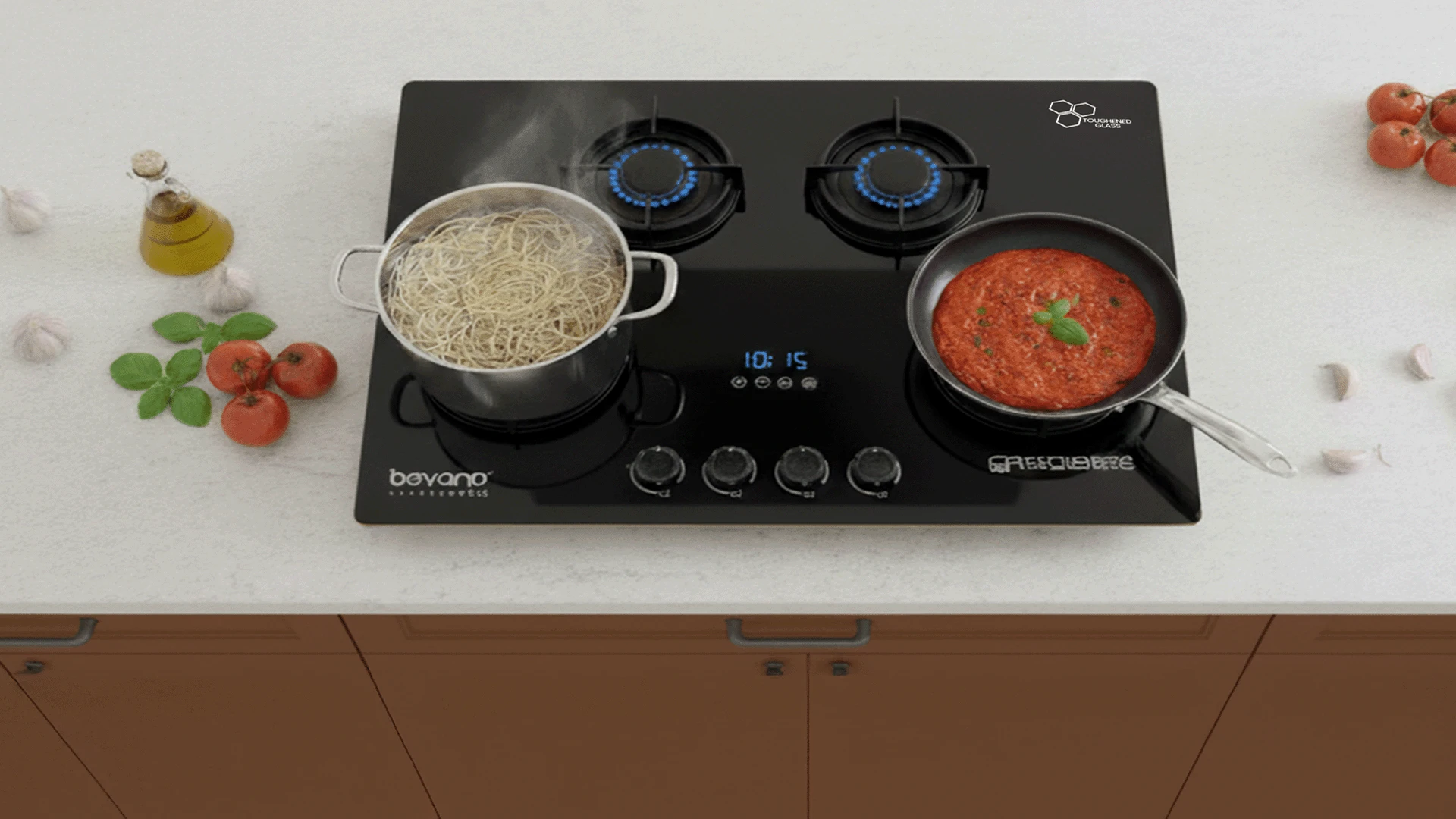
Choosing the right hobtop for your kitchen requires careful planning and consideration of multiple factors. With various types available including gas, electric, induction, and ceramic options, making an informed decision can significantly impact your cooking experience and kitchen efficiency. This comprehensive guide walks you through essential considerations to help you select the perfect hobtop that matches your cooking style, budget, and kitchen requirements.
A hobtop is a cooking appliance featuring multiple burners that can be built into your kitchen countertop or used as a standalone unit. Unlike traditional stoves that include an oven, hobtops focus solely on surface cooking, offering greater flexibility in kitchen design and installation. The terms hobtop and cooktop are often used interchangeably, though regional preferences vary. In India and the UK, "hobtop" is more common, while "cooktop" dominates in North American markets. Both refer to the same essential appliance designed for efficient cooking.
Built-in hobtops integrate seamlessly into your countertop, creating a sleek, modern appearance. These require professional installation and permanent utility connections. Portable hob units offer flexibility for temporary setups, small kitchens, or outdoor cooking needs.
Today's hobtops serve as focal points in contemporary kitchen designs. They provide precise cooking control while maximizing counter space efficiency. Advanced models include features like touch controls, timer functions, and safety mechanisms that enhance both functionality and user experience.
Understanding different hobtop technologies helps you choose the best option for your cooking preferences and kitchen setup. Each type offers distinct advantages in terms of performance, energy efficiency, and maintenance requirements.
Gas hob models remain popular for their instant heat control and compatibility with all cookware types. Most units feature 3-burner or 4-burner configurations, with brass burners providing superior heat distribution and durability. Key advantages include immediate temperature adjustment, lower operating costs in areas with affordable gas supply, and continued functionality during power outages. Auto-ignition systems eliminate the need for matches or lighters, while flame failure devices automatically shut off gas flow if flames extinguish accidentally.
Electric hob units, including ceramic hob variants, offer consistent heating through electric coils or radiant elements beneath smooth glass surfaces. These models provide even heat distribution and easy cleaning due to their flat cooking surfaces. Energy consumption varies based on element efficiency and usage patterns. While initial heating takes longer than gas, electric hobs maintain steady temperatures well. Consider your local electricity rates when evaluating long-term operating costs.
Induction hob technology represents the most energy efficient hob option available. These units use electromagnetic fields to heat compatible cookware directly, resulting in faster cooking times and precise temperature control. Safety benefits include cool cooking surfaces, automatic pan detection, and instant heat adjustment. However, induction hobs require magnetic cookware such as cast iron or stainless steel. Aluminum and copper pans need magnetic bases to function properly.
Advanced models include hob with downdraft systems that eliminate the need for overhead ventilation. These integrated units pull cooking vapors and odors downward through built-in exhaust systems. Hybrid hobtops combine different technologies, such as gas and induction burners on the same unit, providing cooking versatility for various culinary techniques.
Evaluating key features ensures your chosen hobtop meets safety standards, performance expectations, and long-term reliability requirements. Focus on features that align with your cooking habits and kitchen environment.
Flame failure devices automatically cut gas supply if burner flames extinguish, preventing dangerous gas accumulation. This essential safety feature should be standard on all gas hobtop models. Auto-ignition systems provide convenient, safe lighting without external ignition sources. Child safety locks prevent accidental activation, while overheat protection automatically shuts down electric and induction units when temperatures exceed safe limits.
Burner power ratings, measured in BTU for gas or kilowatts for electric units, determine cooking speed and heat intensity. Higher ratings enable faster boiling and high-heat cooking techniques. Heat distribution efficiency affects cooking evenness and energy consumption. Look for models with well-designed burner patterns or heating elements that provide uniform temperature across cookware bases.
Tempered glass surfaces offer modern aesthetics and easy cleaning but require careful handling. Stainless steel finishes provide durability and professional appearance while resisting scratches and stains. Cast iron pan supports on gas models ensure stability and longevity. Quality control knobs should operate smoothly with clear markings for precise temperature adjustment.
Proper hob installation ensures safe operation and optimal performance. Planning installation requirements early prevents costly modifications and ensures compliance with local building codes.
Standard hobtop dimensions include 60cm, 65cm, and 75cm widths to fit various kitchen layouts. Measure your available space carefully, including cutout specifications for built-in models. Maintain adequate clearance around the hobtop for safety and ventilation. Most manufacturers recommend minimum distances from walls, cabinets, and other appliances to prevent heat damage and ensure proper airflow.
Gas line installation requires professional service to ensure proper pressure regulation and leak-free connections. Electric and induction models need appropriate electrical circuits with sufficient amperage capacity. Consider professional installation for all built-in models to ensure warranty coverage and safety compliance. Local building codes may require permits and inspections for gas line work or electrical modifications.
Regular hob maintenance extends appliance life and maintains optimal performance. Different hobtop types require specific care routines to prevent damage and ensure safe operation.
Clean spills immediately to prevent staining and buildup. Gas hob burners benefit from regular cleaning to maintain proper flame patterns. Remove and wash burner caps and grates weekly with warm, soapy water. Ceramic and induction surfaces require gentle cleaning with appropriate cleaners to avoid scratching. Use soft cloths or specialized scrapers for stubborn residue removal.
Schedule annual professional service for gas models to check connections, calibrate burners, and inspect safety systems. Electric and induction units typically require less frequent professional attention but benefit from periodic electrical connection inspections. Keep replacement parts information handy for quick repairs. Quality manufacturers provide readily available spare parts and comprehensive service support throughout the product warranty period.
Hobtop prices vary significantly based on type, features, and brand reputation. Gas models typically range from INR 8,000 to INR 25,000, while induction units span INR 3,000 to INR 15,000. Premium models with advanced features can exceed INR 30,000. Consider hidden costs including professional installation, specialized cookware for induction models, and ongoing maintenance requirements. Energy-efficient models may cost more initially but provide long-term savings through reduced utility bills. Extended warranty options offer additional protection for your investment. Many manufacturers provide 2-5 year warranties covering parts and service, with some offering extended coverage for premium models.
A hobtop is a cooking surface with multiple burners that can be built into kitchen countertops or used as a standalone appliance, offering various fuel options including gas, electric, and induction.
Hobtop and cooktop are essentially the same appliance - both refer to a cooking surface with burners. "Hobtop" is more commonly used in India and UK, while "cooktop" is the preferred term in North America.
Induction hobs are the most energy efficient, converting up to 90% of energy directly to heat in your cookware, compared to 40-55% efficiency for gas hobs and 65-70% for electric models.
The three main types of hobs are gas hobs using natural gas or LPG, electric hobs including ceramic surfaces, and induction hobs using electromagnetic technology for precise heating.
Yes, induction hobs require magnetic cookware such as cast iron or stainless steel. Test existing pots and pans with a magnet - if it sticks firmly to the bottom, the cookware will work with induction.
Selecting the right hobtop involves balancing your cooking preferences, kitchen design, budget constraints, and long-term maintenance considerations. Whether you choose gas for traditional cooking flexibility, electric for consistent heating, or induction for energy efficiency, focus on quality construction and essential safety features. Invest time in proper installation and regular maintenance to maximize your hobtop's performance and lifespan. Consider your household's cooking patterns and choose features that genuinely enhance your culinary experience rather than unnecessary complexity.
