

Essential Chimney Heat Sensor Safety Checklist
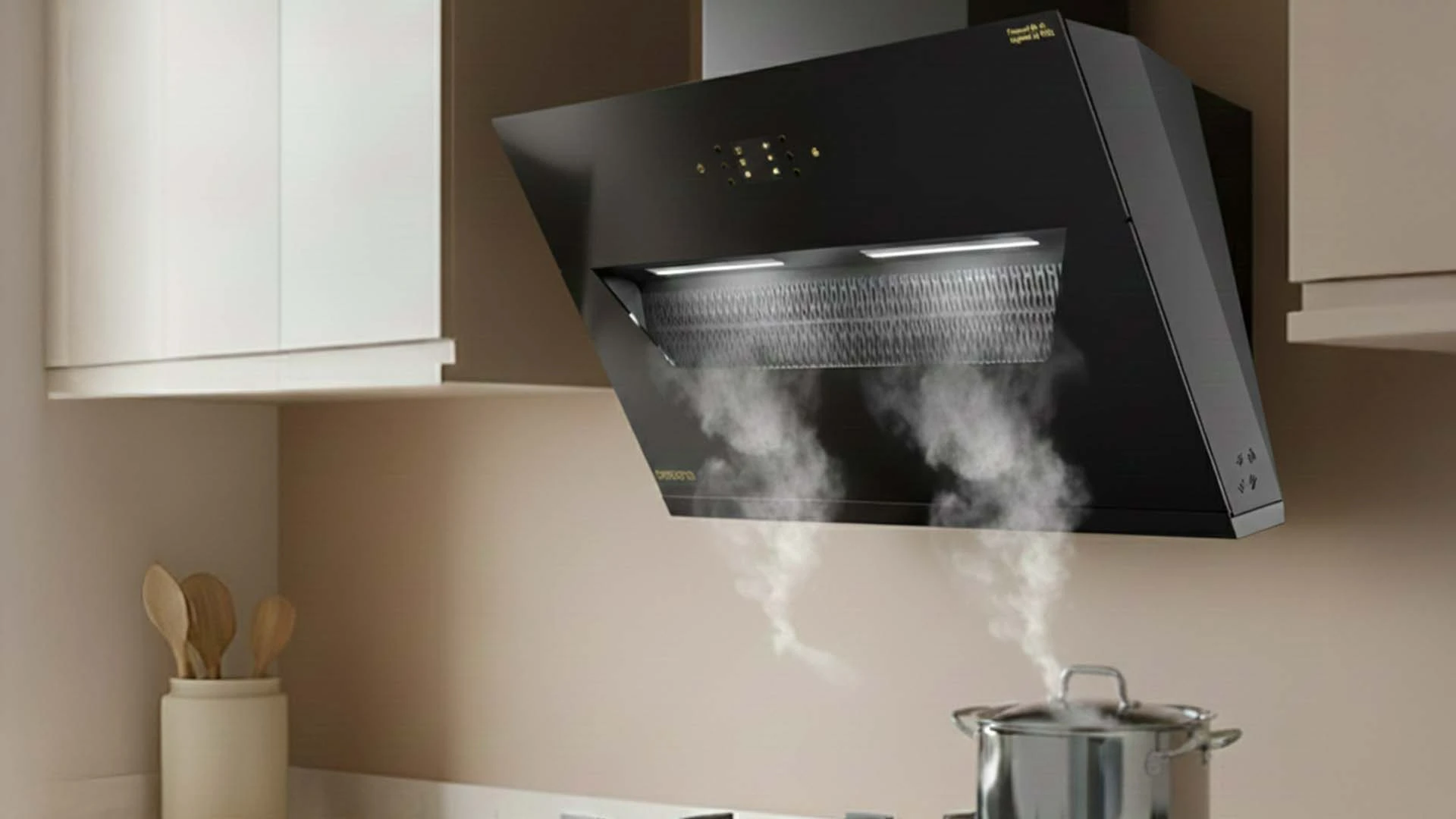
A properly functioning heat sensor in chimney systems serves as your first line of defense against dangerous overheating and potential fire hazards. Whether you're operating a wood-burning stove, fireplace, or modern kitchen chimney, temperature monitoring devices play a crucial role in maintaining safe operating conditions. These sophisticated safety systems continuously monitor temperature levels and provide early warnings when conditions become unsafe. Understanding how to properly install, maintain, and troubleshoot these essential safety devices can mean the difference between a cozy evening by the fire and a devastating house fire. This comprehensive checklist will guide you through every aspect of chimney heat sensor safety, from initial selection to ongoing maintenance protocols.
A chimney temperature sensor monitors the temperature within your chimney system to prevent dangerous overheating conditions. These devices typically trigger alarms when temperatures exceed safe thresholds, which vary depending on the application and location within your home. For residential applications, critical temperature limits include 200°F for attic installations and 135°F for basement or utility room placements. A fireplace heat detector operates differently from standard smoke detectors, focusing specifically on temperature changes rather than smoke particles. This makes them ideal for areas where cooking smoke or dust might trigger false alarms. Modern kitchen chimneys often incorporate advanced heat sensor technology that automatically activates cleaning cycles or adjusts fan speeds based on cooking intensity. These systems provide both safety monitoring and performance optimization, making them valuable additions to contemporary kitchen designs.
Selecting the right type of temperature monitoring device depends on your specific application and safety requirements. Different chimney systems require different approaches to temperature monitoring.
A wood stove thermometer provides real-time temperature readings for optimal burning efficiency and safety. Magnetic models attach directly to stove pipes, while probe-style units insert into the flue for more accurate internal temperature readings. Digital wood burning stove heat monitors offer precise temperature displays and often include programmable alarm settings. These advanced units can connect to smart home systems for remote monitoring and alerts.
Fixed temperature heat detectors activate when ambient temperatures reach predetermined levels. Rate-of-rise sensors detect rapid temperature increases, providing early warning of potential fire conditions. Smart chimney fire detection systems integrate multiple sensors and can automatically contact emergency services or activate suppression systems when dangerous conditions are detected.
Modern auto-clean chimneys incorporate sophisticated heat sensors that monitor cooking temperatures and grease accumulation. These systems automatically activate cleaning cycles when sensors detect excessive heat buildup or oil particle concentration. Motion sensor integration allows these systems to operate only when cooking activity is detected, improving energy efficiency and extending component life.
Before installing any temperature monitoring device, conduct a thorough assessment of your chimney system and surrounding areas. This evaluation ensures proper sensor placement and optimal safety coverage. Inspect your chimney for structural integrity, proper clearances from combustible materials, and existing safety equipment. Document current temperature patterns during normal operation to establish baseline readings for your new monitoring system. Evaluate electrical requirements for powered sensors, including available circuits and proper grounding. Consider whether professional installation is necessary based on local building codes and insurance requirements.
Gather all necessary tools and materials before beginning installation. High-temperature rated mounting hardware ensures sensors remain secure under extreme conditions. Heat-resistant wiring and proper electrical connections prevent sensor failure during high-temperature events. Calibration tools and testing equipment verify proper operation after installation.
Proper installation of your flue temperature monitor requires careful attention to placement, wiring, and initial calibration. Following manufacturer specifications ensures optimal performance and safety coverage.
Position sensors in areas where they can accurately monitor critical temperature zones without interference from normal operation. For wood stoves, install stove pipe temperature gauges approximately 18 inches above the stove top on single-wall pipe. A temperature sensor for flue should be placed where it can monitor internal temperatures without obstructing airflow. Avoid locations where condensation or debris accumulation might affect sensor accuracy.
Ensure all electrical connections meet local codes and manufacturer specifications. Use appropriate wire gauges and junction boxes rated for high-temperature environments. Calibrate sensors according to manufacturer instructions, typically involving temperature verification using known reference points. Document calibration settings and test alarm functions before placing the system in service.
Regular maintenance ensures your chimney safety device continues providing reliable protection throughout its service life. Establish monthly and seasonal maintenance schedules to maintain optimal performance.
Visually inspect all sensor components for signs of damage, corrosion, or loose connections. Test alarm functions using manufacturer-recommended procedures, typically involving controlled temperature increases. Clean sensor surfaces according to manufacturer guidelines, removing any accumulated soot, grease, or debris that might affect accuracy. Replace batteries in wireless models every six months or as indicated by low-battery warnings.
Before each heating season, conduct comprehensive system testing including calibration verification and alarm response times. Professional inspections should be scheduled annually to ensure continued compliance with safety standards. Document all maintenance activities and test results for insurance and warranty purposes. Keep detailed logs of any issues or repairs to identify patterns that might indicate component wear or system problems.
When your heat sensor for wood stove malfunctions, systematic troubleshooting helps identify and resolve problems quickly. Most issues involve power supply problems, calibration drift, or environmental interference.
Begin troubleshooting by verifying power supply voltage and connections. Check for loose wires, corroded terminals, or damaged insulation that might affect sensor operation. Calibration problems often manifest as consistently high or low readings compared to known temperature references. Recalibration using manufacturer procedures typically resolves these issues.
False alarms often result from improper sensor placement or sensitivity settings. Adjust alarm thresholds based on your specific operating conditions and normal temperature ranges. Environmental factors like drafts, radiant heat from nearby sources, or electrical interference can affect sensor accuracy. Relocating sensors or adding shielding often resolves these problems.
Ensuring your temperature monitoring system meets applicable safety standards protects both your family and your insurance coverage. Understanding certification requirements helps you select appropriate equipment and maintain compliance.
Look for UL listing or equivalent certifications when selecting temperature monitoring equipment. These certifications verify that devices meet rigorous safety and performance standards. Local building codes may specify particular requirements for chimney safety equipment. Consult with local authorities or qualified professionals to ensure compliance with all applicable regulations.
Establish clear procedures for responding to temperature alarms, including immediate actions to reduce heat sources and when to contact emergency services. Integrate chimney temperature monitoring with your home's overall fire detection system for comprehensive protection. Regular family fire drills should include scenarios involving chimney-related emergencies to ensure everyone knows proper response procedures.
Heat sensors in chimneys monitor temperature levels to prevent dangerous overheating. They typically alarm when temperatures exceed safe thresholds around 200°F for attics or 135°F for basements and can automatically activate cleaning cycles or boost performance in kitchen chimneys.
Heat sensors are most effective in areas where smoke detectors aren't practical, like near wood stoves, in flue pipes, kitchen chimneys, and utility areas. They're ideal for detecting temperature-based fire risks without triggering false alarms from cooking smoke or dust.
Test chimney heat sensors monthly for basic function and annually for professional calibration. Replace batteries in wireless models every six months and schedule professional inspections before each heating season.
Kitchen chimney heat sensors focus on grease detection and auto-clean activation, while fireplace sensors monitor for dangerous overheating conditions. Kitchen sensors typically operate at lower temperature thresholds and integrate with ventilation controls.
Heat sensors provide early warning of dangerous temperature conditions but cannot prevent fires by themselves. They must be part of a comprehensive safety system including proper maintenance, adequate clearances, and appropriate emergency response procedures.
Implementing a comprehensive heat sensor safety system requires careful planning, proper installation, and ongoing maintenance commitment. Regular testing and calibration ensure your temperature monitoring devices provide reliable protection when you need it most. Remember that these devices are part of a broader safety strategy that includes proper chimney maintenance, adequate clearances, and emergency preparedness. By following this checklist and maintaining vigilant safety practices, you can enjoy the warmth and comfort of your fireplace or the convenience of your kitchen chimney with confidence in your family's safety.
