

Essential Checklist: Pairing Hob with Chimney Right
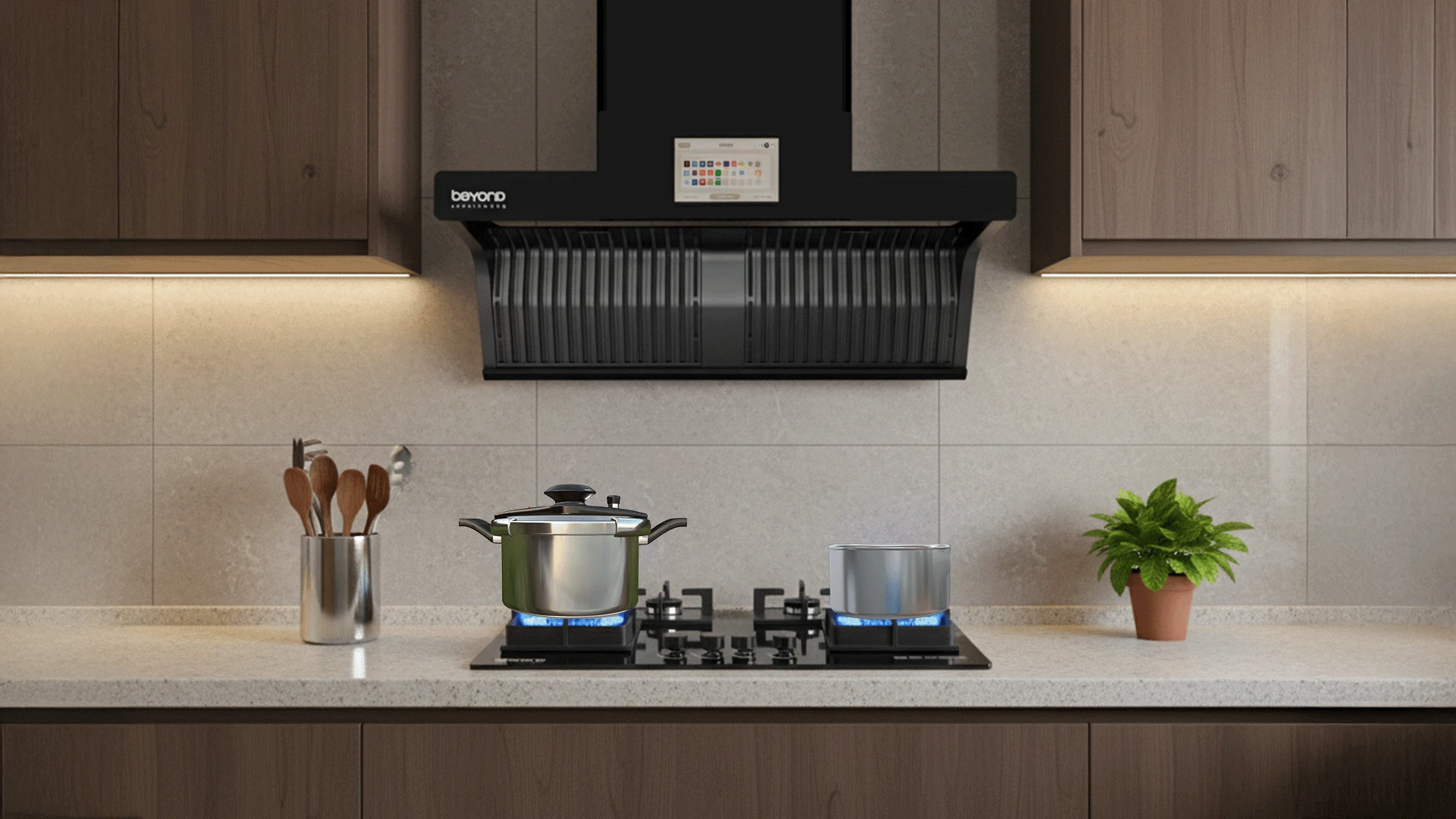
Getting the right pairing hob with chimney setup can make or break your kitchen experience. A well-matched hob and hood combination ensures effective smoke removal, reduces cooking odors, and keeps your kitchen comfortable. Poor pairing leads to inadequate ventilation, lingering smells, and potential safety issues. This comprehensive checklist covers everything you need to know about creating an efficient kitchen ventilation system that works perfectly with your cooking style and kitchen layout.
Successful cooktop ventilation starts with understanding how different hob types interact with various hood designs. Each cooking surface generates different amounts of heat, steam, and smoke that require specific ventilation approaches. Gas hobs produce the most heat and combustion byproducts, requiring powerful kitchen extractor fan systems with higher CFM ratings. Electric coil cooktops generate significant radiant heat but less moisture than gas. Induction hobs create minimal ambient heat, making them easier to ventilate effectively.
Your hood should be at least as wide as your hob, preferably 3-6 inches wider on each side. This ensures proper capture of rising cooking vapors. For a 30-inch cooktop, choose a 36-inch hood minimum.
Calculate your hob's total BTU output by adding all burner ratings. Gas ranges typically produce 40,000-60,000 BTUs total. Your hood's CFM rating should handle this heat load effectively.
Effective ventilation system for kitchen design goes beyond just selecting a hood. Consider your entire kitchen's airflow patterns, ceiling height, and cooking habits when planning your setup. Start by assessing your kitchen layout. Island installations require different approaches than wall-mounted setups. Open floor plans need more powerful systems to prevent cooking odors from spreading throughout your home.
Calculate required air changes per hour by multiplying your kitchen's cubic footage by 15. A 200 square foot kitchen with 9-foot ceilings needs 1,800 cubic feet × 15 = 27,000 CFH or 450 CFM minimum.
Plan the shortest, straightest duct route possible. Each 90-degree turn reduces efficiency by approximately 25 CFM. Use smooth, rigid ducting rather than flexible ducts for optimal airflow.
Different types of kitchen hoods work better with specific hob configurations. Understanding these relationships helps you choose the best kitchen chimney for your cooking setup. Wall-mounted chimney hoods offer the most versatile pairing options. They work excellently with gas, electric, and induction hobs positioned against walls. These units typically provide 300-1200 CFM capacity.
Island installations require more powerful systems since they lack wall support for airflow direction. Choose units with 20-30% higher CFM ratings than wall-mounted equivalents.
Integrated hob and hood combinations offer seamless design but limit future upgrade flexibility. These systems work best in modern, minimalist kitchen designs where aesthetics matter most.
Downdraft cooktop systems pull air downward through the cooking surface. They work well for island installations where overhead hoods aren't practical but require more powerful motors.
Proper range hood installation positioning directly affects ventilation effectiveness. Height, clearance, and mounting considerations vary by hob type and hood design. Mount gas hob hoods 24-30 inches above the cooking surface. Electric and induction hobs allow 20-24 inch mounting heights since they produce less ambient heat.
Maintain minimum clearances specified by both hob and hood manufacturers. Gas installations typically require greater clearances due to open flame considerations.
Ensure adequate electrical supply before installation. Most hoods require dedicated 15-20 amp circuits. Plan ductwork routing during kitchen design phases to avoid costly modifications later.
Achieving efficient kitchen ventilation requires balancing airflow capacity, noise levels, and energy consumption. The right combination depends on your cooking habits and kitchen environment. Calculate required CFM using this formula: (Hob BTU output ÷ 100) + 50 CFM buffer. A 40,000 BTU gas range needs approximately 450 CFM minimum capacity.
Look for hoods with sone ratings below 6.0 for comfortable operation. Variable speed controls allow you to balance performance with noise levels during different cooking activities.
LED lighting reduces energy consumption while providing excellent task illumination. Timer controls and automatic shut-off features prevent unnecessary operation.
Many homeowners make critical errors when pairing hob with chimney systems. Understanding these common mistakes helps you avoid costly problems and poor performance. Undersized hood selection is the most frequent error. Choosing a hood based solely on price or appearance without considering CFM requirements leads to inadequate ventilation.
Incorrect mounting heights reduce capture efficiency significantly. Too high allows vapors to escape; too low creates safety hazards and interferes with cooking.
Powerful hoods create negative pressure requiring makeup air sources. Without proper air replacement, your system works harder and less efficiently.
Use this comprehensive checklist to ensure perfect pairing hob with chimney compatibility before making your purchase decision. • Measure your hob dimensions - Record exact width, depth, and BTU output • Calculate required CFM - Use BTU formula plus 20% safety margin • Assess kitchen layout - Note ceiling height, cabinet clearances, ductwork routes • Check electrical requirements - Verify adequate circuit capacity and outlet placement • Review noise preferences - Consider sone ratings for your comfort level • Plan installation timeline - Coordinate delivery with kitchen renovation schedule • Verify warranty coverage - Ensure both hob and hood have compatible service terms • Test system performance - Confirm proper operation before final acceptance
Choose a hood at least as wide as your hob, preferably 3-6 inches wider on each side. For a 30-inch hob, select a 36-inch hood minimum for optimal vapor capture.
Yes, induction hobs work with any hood type since they produce minimal ambient heat. However, ensure adequate CFM capacity for your cooking volume and kitchen size.
Mount gas hob chimneys 24-30 inches above the cooking surface. This height balances safety requirements with effective vapor capture.
Downdraft systems work well for islands but aren't mandatory. Overhead island hoods often provide better performance but require ceiling mounting and ductwork.
Ducted hoods exhaust air outside through ductwork, providing superior odor and moisture removal. Ductless units filter and recirculate air, suitable where external venting isn't possible.
Divide your hob's total BTU output by 100, then add a 50 CFM buffer. For example, a 40,000 BTU range needs approximately 450 CFM minimum capacity.
Successful pairing hob with chimney requires careful consideration of multiple factors including hob type, kitchen layout, and performance requirements. Proper sizing, positioning, and installation ensure effective cooktop ventilation that enhances your cooking experience while maintaining kitchen comfort. Take time to plan your ventilation system for kitchen thoroughly, considering both current needs and future cooking habits. With the right combination of hob and hood, you'll enjoy cleaner air, reduced odors, and a more pleasant cooking environment for years to come.
