

Essential Checklist: Maximize Hobtop Heating Efficiency
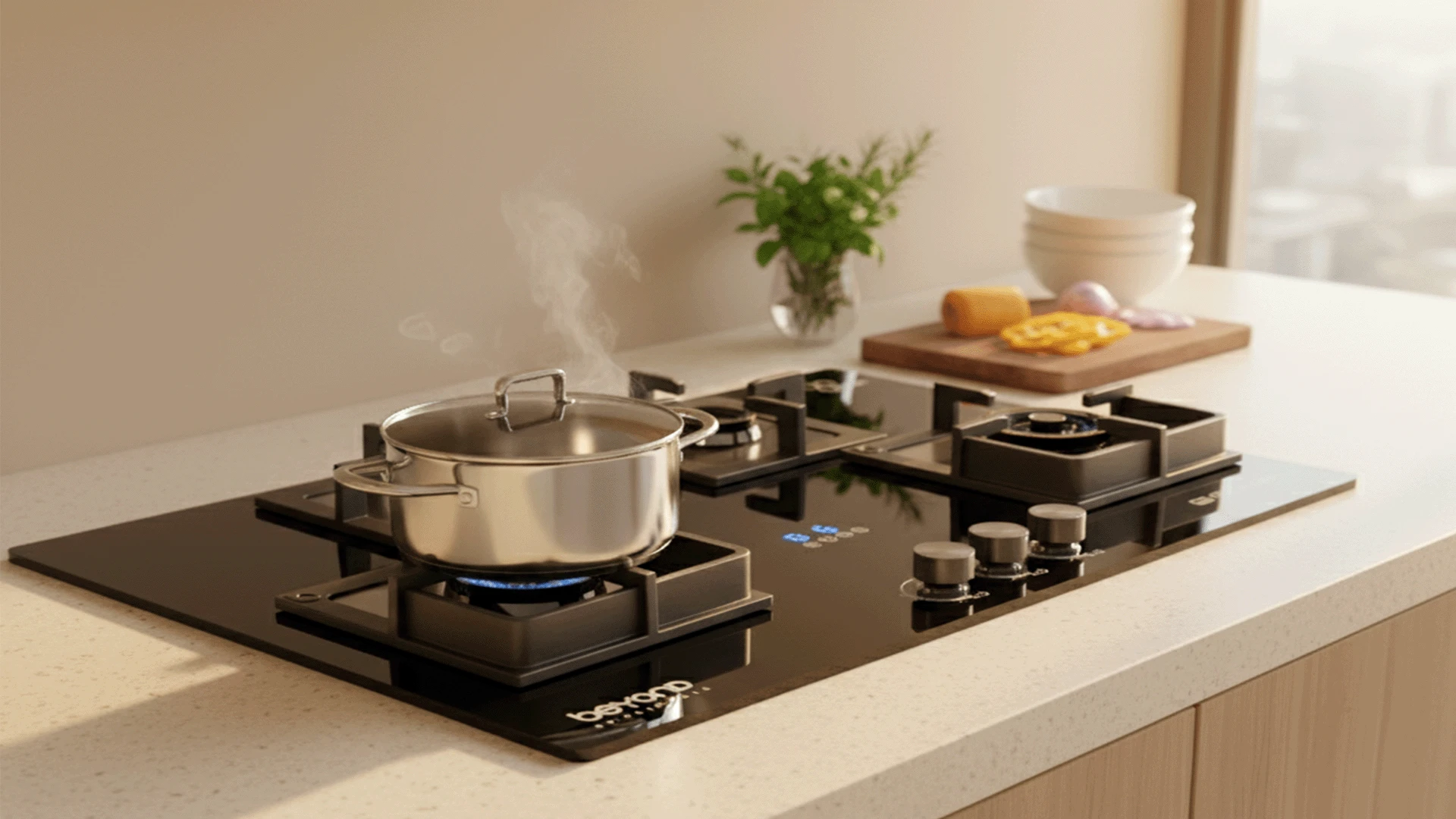
Rising energy costs and environmental concerns make kitchen efficiency more important than ever. Your hobtop choice can significantly impact both your utility bills and cooking experience. Understanding hobtop heating efficiency explained helps you make smarter decisions about energy consumption, cost savings, and cooking performance. This comprehensive guide covers efficiency ratings across different hob types, practical optimization techniques, and actionable steps to maximize your kitchen's energy performance.
Energy efficiency in hobtops refers to the percentage of consumed energy that actually converts into usable heat for cooking. This measurement directly impacts your utility bills and environmental footprint. Hobtop efficiency varies dramatically between different technologies, with some converting 90% of energy into cooking heat while others waste more than half. The key distinction lies between efficiency and effectiveness. Efficiency measures energy conversion rates, while effectiveness considers cooking speed and temperature control. A highly efficient hob that heats slowly might be less effective for certain cooking tasks than a moderately efficient option with superior heat distribution.
Different hobtop technologies use distinct methods to transfer energy from the power source to your cookware. Direct contact methods like induction create electromagnetic fields within the pan itself, eliminating intermediate heat transfer steps. Radiant methods heat elements that then warm your cookware through conduction and radiation.
Ambient heat loss occurs when energy escapes around cookware rather than heating food. Poor contact between heating elements and pan bottoms creates conduction losses. Understanding these factors helps explain why efficiency ratings vary significantly between cooking methods and usage patterns.
Choosing the right hob technology forms the foundation of energy-efficient cooking. Each type offers distinct advantages and efficiency characteristics that suit different cooking styles and kitchen setups. Induction hob efficiency leads the market, but other options provide valuable benefits depending on your specific needs.
Induction hobs achieve approximately 90% efficiency by creating electromagnetic fields directly within compatible cookware. This technology eliminates intermediate heating steps, converting nearly all electrical energy into cooking heat. Temperature changes occur instantly, providing precise control while minimizing energy waste.
Ceramic electric hobs typically achieve 70% efficiency through radiant heating elements beneath smooth glass surfaces. Solid plate electric models reach approximately 65% efficiency using exposed heating coils. Both options provide consistent heat distribution and work with all cookware types.
Gas hobs operate at 40-50% efficiency due to significant ambient heat loss around cookware. Flame adjustment directly impacts efficiency, with properly sized flames matching pan diameters achieving optimal performance. BTU ratings indicate maximum output rather than actual cooking energy delivered.
Modern smart hobs incorporate sensor-based temperature control, automatic power adjustment, and energy monitoring capabilities. These features optimize efficient hob cooking by maintaining precise temperatures and reducing unnecessary energy consumption during extended cooking sessions.
Actual energy consumption varies significantly based on cooking tasks, cookware selection, and usage habits. Understanding these patterns helps optimize your kitchen's energy performance and identify potential savings opportunities. Hob power consumption analysis reveals surprising differences between theoretical efficiency ratings and practical cooking scenarios. Boiling water efficiency comparisons show dramatic differences between hob types. Induction hobs boil water 50% faster than ceramic electric options while using 20% less energy. Gas hobs require longer heating times and consume more total energy despite lower per-minute costs in some regions.
Simmering tasks favor efficient hobs with precise low-heat control, while high-temperature cooking benefits from rapid heat-up capabilities. Pan size significantly impacts energy transfer efficiency, with oversized pans on small burners reducing effectiveness by 40-50%.
Monthly energy costs vary substantially between hob types. Energy efficient cooktops typically show payback periods of 2-4 years through reduced utility bills. Long-term savings calculations should include maintenance costs, lifespan differences, and potential utility rate changes.
Maximizing your hobtop's efficiency requires attention to cookware selection, heat management, and smart usage habits. These practical techniques can improve efficiency by 15-25% regardless of your current hob type. Implementing these strategies provides immediate benefits while you consider future upgrades.
• Flat-bottomed pans ensure maximum contact with heating surfaces • Proper sizing matches pan diameter to burner size for optimal heat transfer • Material considerations include copper and aluminum for rapid heating, cast iron for heat retention • Induction-compatible cookware features magnetic bases for electromagnetic heating
• Preheating optimization uses appropriate temperatures for different cooking tasks • Lid usage provides 25% efficiency improvement by retaining heat and moisture • Temperature staging starts high for rapid heating, then reduces for maintenance • Residual heat utilization completes cooking after turning off heat sources
• Batch cooking strategies maximize energy utilization during single sessions • Sequential cooking uses retained heat from previous dishes • Maintenance scheduling keeps heating elements clean and efficient • Load matching selects appropriate burner sizes for cooking quantities
Selecting the right hobtop involves balancing efficiency goals with practical considerations like installation requirements, cooking preferences, and budget constraints. This cooktop efficiency guide helps navigate these decisions systematically. Consider both immediate needs and long-term kitchen evolution when making your choice. New installations offer opportunities to optimize electrical capacity, ventilation systems, and workspace layout for maximum efficiency. Kitchen electrical requirements vary significantly between hob types, with induction units requiring dedicated high-amperage circuits while gas options need proper ventilation and safety systems.
Assess your current hob's efficiency through energy monitoring and cooking time comparisons. Usage pattern analysis reveals whether high-efficiency options justify their premium costs. Environmental impact considerations include both energy consumption and appliance lifecycle factors.
Smart home integration potential allows remote monitoring and automated efficiency optimization. Emerging technologies like improved induction systems and hybrid heating methods promise even better performance. Sustainability trends favor electric options powered by renewable energy sources.
Induction hobs are the most energy-efficient option, achieving approximately 90% efficiency by heating cookware directly through electromagnetic fields. This technology minimizes heat loss and provides precise temperature control.
Induction hobs typically use 40-50% less energy than gas hobs for equivalent cooking tasks. While gas may have lower per-unit costs in some regions, induction's superior efficiency often results in lower overall operating costs.
Yes, proper cookware selection, lid usage, and heat management techniques can improve any hob's efficiency by 15-25%. Regular cleaning and maintenance also help maintain optimal performance.
Flat-bottomed pans that match burner sizes provide optimal efficiency. For induction hobs, magnetic-base cookware is essential. Heavy-bottomed pans distribute heat evenly and retain energy effectively.
Monitor your electricity or gas usage before and after cooking sessions. Many modern hobs include energy monitoring features. Compare cooking times and energy costs between different methods to assess efficiency.
Maximizing hobtop heating efficiency requires understanding the fundamental differences between technologies and implementing smart cooking practices. Induction hobs lead efficiency rankings at 90%, followed by ceramic electric at 70% and gas at 40-50%. However, optimization techniques can significantly improve performance regardless of your current setup. Immediate improvements include proper cookware selection, consistent lid usage, and heat management strategies. These changes provide measurable benefits while you evaluate long-term upgrade options. Consider your cooking patterns, kitchen infrastructure, and budget when planning efficiency improvements. Start by assessing your current hob's performance through energy monitoring and cooking time analysis. Implement the optimization techniques outlined in this guide for immediate benefits. Plan future upgrades based on your specific usage patterns and efficiency goals to maximize both performance and cost savings.
