

Essential Checklist: Mastering Tadka on Hobtops
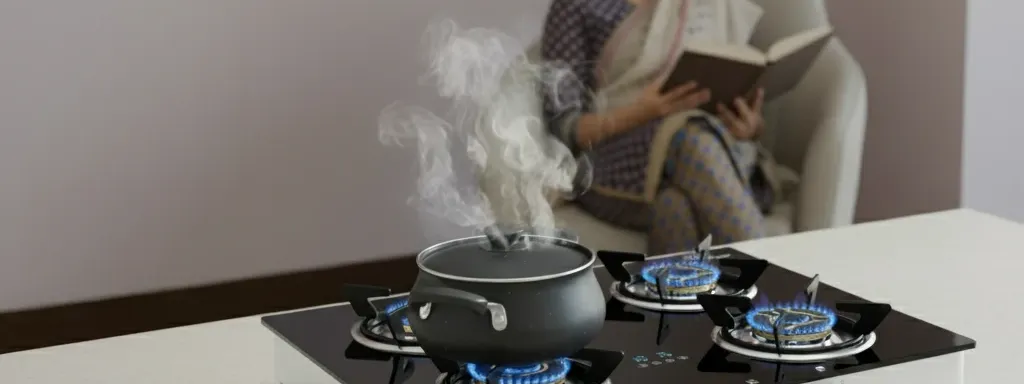
The sizzling sound of cumin seeds hitting hot oil is music to any Indian cook's ears. This magical moment, known as tadka or tempering, transforms ordinary dishes into aromatic masterpieces. Modern hobtops have revolutionized how we approach this essential Indian cooking technique, offering precise control and consistent results that make restaurant-quality tadka achievable in every home kitchen. Whether you're a seasoned cook or just starting your Indian cuisine journey, mastering tadka on hobtops opens up a world of authentic flavors and cooking possibilities.
Tadka, also called tempering or chaunk, is the cornerstone of Indian cooking that involves heating oil or ghee and adding whole spices to release their essential oils and flavors. This ancient technique dates back thousands of years and remains crucial in creating the complex flavor profiles that define Indian cuisine.
The science behind tadka lies in heat activation of spice compounds. When whole spices like cumin, mustard seeds, or dried chilies hit hot oil, their cell walls break down, releasing volatile oils and aromatic compounds. This process increases the bioavailability of nutrients and creates deeper, more complex flavors than simply adding ground spices to dishes. A simple dal transforms from bland to brilliant with the right tadka technique.
Modern hobtops offer superior temperature control that makes how hobtops handle Indian tadka cooking more precise than traditional methods. Unlike gas stoves with fluctuating flames, hobtops provide consistent heat distribution and instant temperature adjustments. This control is crucial for tadka, where the difference between perfectly toasted spices and burnt ones is often just a few seconds. The even heating surface ensures all spices receive uniform heat, preventing hot spots that can ruin your tempering.
Choosing the right hobtop features can make or break your tadka game. Understanding what to look for ensures you get equipment that supports authentic Indian cooking techniques.
Hobtop temperature control is paramount for successful tadka. The ideal temperature range for most spice tempering falls between 165-170°C. At this temperature, spices release their oils without burning. Look for hobtops with precise heat level indicators and responsive controls that allow quick adjustments. Digital displays showing exact temperatures take the guesswork out of achieving perfect results every time.
The best hobtop for tadka depends on your cookware preferences. Induction hobtops work excellently with steel or iron tadka pans, providing rapid heating and instant control. Ceramic hobtops offer gentler, more even heating that works well with traditional brass or copper tempering vessels. Consider the size of your typical tadka pan – smaller burners often provide better control for the small quantities of oil typically used in tempering.
Mastering tadka requires preparation, timing, and technique. Following a systematic approach ensures consistent results every time you cook.
Organization is key to successful hobtop cooking tips. Measure all spices beforehand and arrange them in the order they'll be added. Whole spices like bay leaves and cinnamon go first, followed by seeds like cumin and mustard, then garlic and ginger, and finally delicate items like curry leaves. Keep a small bowl of water nearby for emergency cooling if spices start to burn.
Start with your hobtop at medium heat and add oil or ghee to your tadka pan. The oil is ready when a single cumin seed dropped in sizzles immediately. This is where tadka on hobtop technique shines – you can instantly adjust heat levels as needed. Add whole spices first, listening for the characteristic sizzling sound. Each spice has its timing: cumin seeds take 10-15 seconds, mustard seeds pop within 5-10 seconds, and garlic needs 30-45 seconds to turn golden.
There are two main approaches to using your prepared tadka. Hot tadka involves pouring the sizzling mixture directly over cooked dal or vegetables, creating dramatic sizzling and immediate aroma release. Cold tadka means allowing the mixture to cool slightly before gentle incorporation. The choice depends on your dish and desired presentation.
Once you've mastered basic tadka, your hobtop opens up advanced techniques that elevate your Indian cuisine hobtop cooking to professional levels.
Complex dishes often require multiple tadka layers. Start with a base tadka for cooking vegetables or lentils, then finish with a fresh tadka for maximum aroma impact. Regional variations add complexity – South Indian tadka often includes curry leaves and dried red chilies, while North Indian versions might emphasize cumin and asafoetida. Your hobtop's precise control makes these subtle regional differences achievable.
Smart hobtop cooking features can revolutionize your Indian cooking routine. Programmable temperature settings let you save your perfect tadka temperature for instant recall. Timer functions help manage complex dishes with multiple cooking stages. Some advanced hobtops even offer preset programs for Indian cooking techniques, taking the guesswork out of traditional methods.
Even experienced cooks face challenges when adapting traditional techniques to modern equipment. Understanding common issues and their solutions ensures consistent success.
The most common tadka mistake is overheating, which burns spices and creates bitter flavors. If your spices darken too quickly, immediately remove the pan from heat and add a splash of cold oil to stop the cooking process. Another frequent error is incorrect garlic and chili proportions – start with less than you think you need, as hobtops can intensify flavors more than traditional cooking methods.
Efficient cooking hobtop adjustments help solve consistency problems. If your tadka results vary between cooking sessions, check that you're using the same heat setting and timing. Keep a cooking journal noting successful combinations of temperature, timing, and ingredients. This creates a personal reference guide for reproducing your best results.
Putting your tadka skills into practice with specific recipes helps build confidence and technique. Start with classic preparations before exploring creative applications.
For perfect dal tadka, cook your lentils separately, then prepare fresh tadka in a small pan. Heat 2 tablespoons ghee or oil to medium temperature, add 1 teaspoon cumin seeds, followed by 2-3 dried red chilies, 4-5 garlic cloves, and fresh curry leaves. This Indian food hobtop technique creates the foundation for countless regional variations.
Vegetable dishes like aloo gobi, bhindi masala, and mixed vegetable curry all benefit from proper tadka technique. Each vegetable has optimal spice pairings – potatoes love cumin and asafoetida, while okra pairs beautifully with mustard seeds and curry leaves. Your hobtop for Indian cooking versatility allows you to experiment with these combinations confidently.
The biggest mistake is using too high heat initially. Start at medium heat and adjust as needed. Burning garlic or spices creates bitter flavors that can't be corrected. Always have ingredients ready before heating oil, as hobtops heat quickly and timing becomes crucial.
Hobtop cooking advantages include more precise temperature control and even heat distribution. While gas stoves offer instant visual flame feedback, hobtops provide more consistent results once you understand their heating patterns. The key is learning your specific hobtop's response time for temperature changes.
Tadka made on hobtops can be healthier due to better temperature control, which prevents overheating and nutrient destruction. Proper spice tempering increases the bioavailability of antioxidants and aids digestion. The precise control helps use minimal oil while achieving maximum flavor extraction.
Restaurant-quality tadka comes from using the right oil temperature, proper timing, and fresh spices. Professional kitchens often use higher heat than home cooks attempt. With your hobtop's precise control, you can safely achieve these higher temperatures while maintaining control over the cooking process.
Mastering tadka on hobtops combines traditional Indian cooking wisdom with modern technology advantages. The precise temperature control and consistent heating that hobtops provide make achieving restaurant-quality results more accessible than ever. Start with basic techniques, build your confidence with simple recipes, and gradually explore the rich regional variations that make Indian cuisine so diverse and flavorful. With practice and the right equipment, your hobtop can become the gateway to authentic Indian cooking that brings families together around aromatic, delicious meals.
