

Essential Checklist: Choosing the Right Heavy Vessel Hob
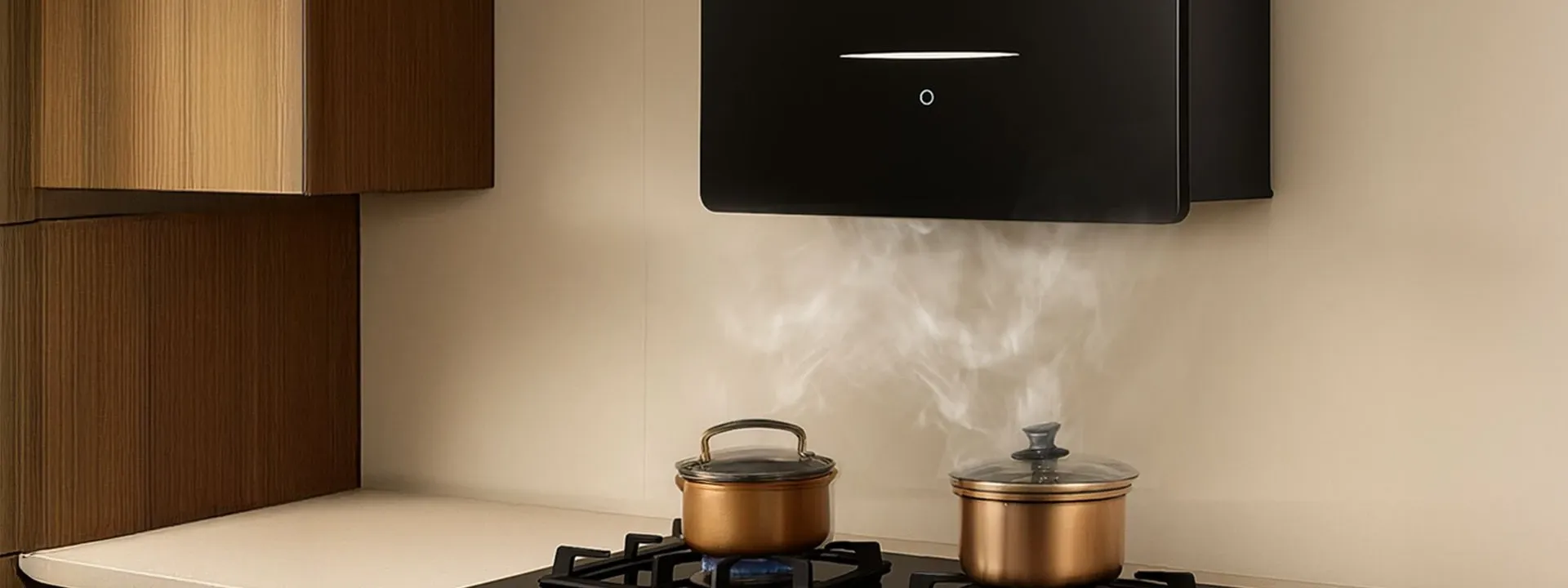
Selecting the perfect heavy vessel hob requires careful consideration of multiple factors that directly impact your cooking experience. Whether you're preparing large family meals or experimenting with professional-grade cookware, the right hob makes all the difference. Heavy vessels demand specific power requirements, surface durability, and heat distribution capabilities that standard cooktops might not provide. Understanding these requirements helps you make an informed decision that enhances both safety and cooking performance in your kitchen.
Heavy vessel cooking presents unique challenges that standard hobs may struggle to handle effectively. Professional-grade cookware, large stock pots, and cast iron vessels require specialized support systems and heating capabilities.
Different hob types support varying weight limits. Gas hobs typically handle the heaviest loads due to their robust cast iron grates, supporting vessels up to 15-20 kg safely. Induction hobs generally support 8-12 kg per cooking zone, while electric hobs with ceramic surfaces handle 6-10 kg depending on the model.
Large cookware demands even heat distribution to prevent hot spots and ensure consistent cooking results. Gas burners provide immediate heat adjustment, while induction offers precise temperature control. Electric hobs require longer heating times but maintain steady temperatures once heated.
Comparing different hob types reveals distinct advantages for heavy vessel cooking. Each technology offers unique benefits that cater to specific cooking styles and requirements.
Induction hobs excel in energy efficiency and precise temperature control. They require magnetic-compatible cookware, which includes most heavy cast iron and steel vessels. Power output ranges from 2.5kW to 3.7kW per zone, providing rapid heating for large pots. The smooth surface distributes weight evenly, reducing stress points.
Gas hobs remain the preferred choice for professional chefs using heavy vessels. High-output burners deliver 3.5kW to 5kW of power, accommodating large woks and stock pots. Cast iron grates provide excellent stability and can withstand extreme weights without damage.
Electric hobs offer reliable performance for heavy vessel cooking. Ceramic surfaces provide smooth weight distribution, while solid plate models offer exceptional durability. Power output typically ranges from 2kW to 3kW per zone, suitable for most heavy cooking applications.
Selecting the best hob for heavy vessels requires evaluating specific features that impact performance and safety. This comprehensive checklist ensures you choose the right model for your needs. Essential features to consider include: • Power output: Minimum 3kW per zone for effective heavy vessel heating • Surface material: Tempered glass, cast iron grates, or reinforced ceramic • Control systems: Touch controls, rotary knobs, or slider mechanisms • Safety features: Child locks, overheat protection, and automatic shut-off • Zone configuration: Multiple large zones or flexible cooking areas • Installation requirements: Electrical capacity, gas connections, or ventilation needs Price ranges vary significantly across hob types. Gas hobs typically cost INR 15,000 to INR 45,000, while induction hobs range from INR 20,000 to INR 60,000. Electric hobs fall between INR 12,000 to INR 35,000, depending on features and build quality.
Energy efficient hobs reduce operating costs while maintaining excellent performance for heavy vessel cooking. Understanding efficiency ratings helps you make environmentally conscious choices that save money long-term. Induction technology leads in energy efficiency, converting 90% of electrical energy into heat. Gas hobs achieve 60-70% efficiency, while electric hobs reach 70-80% efficiency. For heavy vessel cooking, induction hobs reduce cooking times by 25-50% compared to other technologies. Monthly operating costs for heavy cooking vary by hob type. Induction hobs cost approximately INR 800-1,200 monthly, gas hobs range from INR 600-1,000, and electric hobs average INR 1,000-1,500, based on regular heavy vessel usage.
Hob reviews consistently highlight specific models that excel in heavy vessel performance. Professional-grade features in domestic hobs provide restaurant-quality cooking capabilities at home. Commercial-inspired models offer enhanced durability and power output. These hobs feature reinforced surfaces, high-output burners, and robust construction designed for intensive use. Mid-range options balance performance with affordability, providing excellent heavy vessel capabilities without premium pricing. User feedback emphasizes reliability, ease of cleaning, and consistent performance as key factors in hob comparison. Models with dedicated heavy vessel zones receive particularly positive reviews from serious home cooks.
Proper installation ensures optimal performance and safety when using heavy vessels. Different hob types require specific installation considerations that impact both functionality and longevity. Ventilation requirements vary by hob type. Gas hobs need adequate air circulation for safe combustion, while induction and electric hobs require minimal ventilation. Electrical connections must support the hob's power requirements, typically 32-40 amps for high-output models. Maintenance schedules depend on usage intensity. Heavy vessel cooking requires more frequent cleaning and inspection. Gas hobs need burner cleaning and gas line checks, while induction hobs require surface care and electrical connection monitoring.
Choose hobs with at least one large cooking zone (minimum 210mm diameter) and total width of 600mm or more. Four-burner configurations provide optimal flexibility for multiple heavy vessels.
Gas hobs with cast iron grates offer maximum durability for heavy vessel cooking. The robust construction withstands repeated heavy use without surface damage or performance degradation.
Gas hobs support 15-20kg per burner, induction hobs handle 8-12kg per zone, and electric hobs accommodate 6-10kg depending on the surface material and construction quality.
Induction hobs provide the highest energy efficiency at 90% conversion rate, reducing cooking times and energy consumption compared to gas or electric alternatives.
Yes, induction hobs work excellently with cast iron vessels. The magnetic properties of cast iron ensure optimal heat transfer and temperature control for heavy cooking applications.
Choosing the right heavy vessel hob involves balancing power requirements, durability, and energy efficiency with your specific cooking needs. Gas hobs excel in weight capacity and professional performance, while induction hobs offer superior energy efficiency and precise control. Electric hobs provide reliable middle-ground performance at competitive prices. Consider your cooking style, vessel types, and long-term operating costs when making your final decision.
