

Essential Checklist: Choosing the Right Cooktop
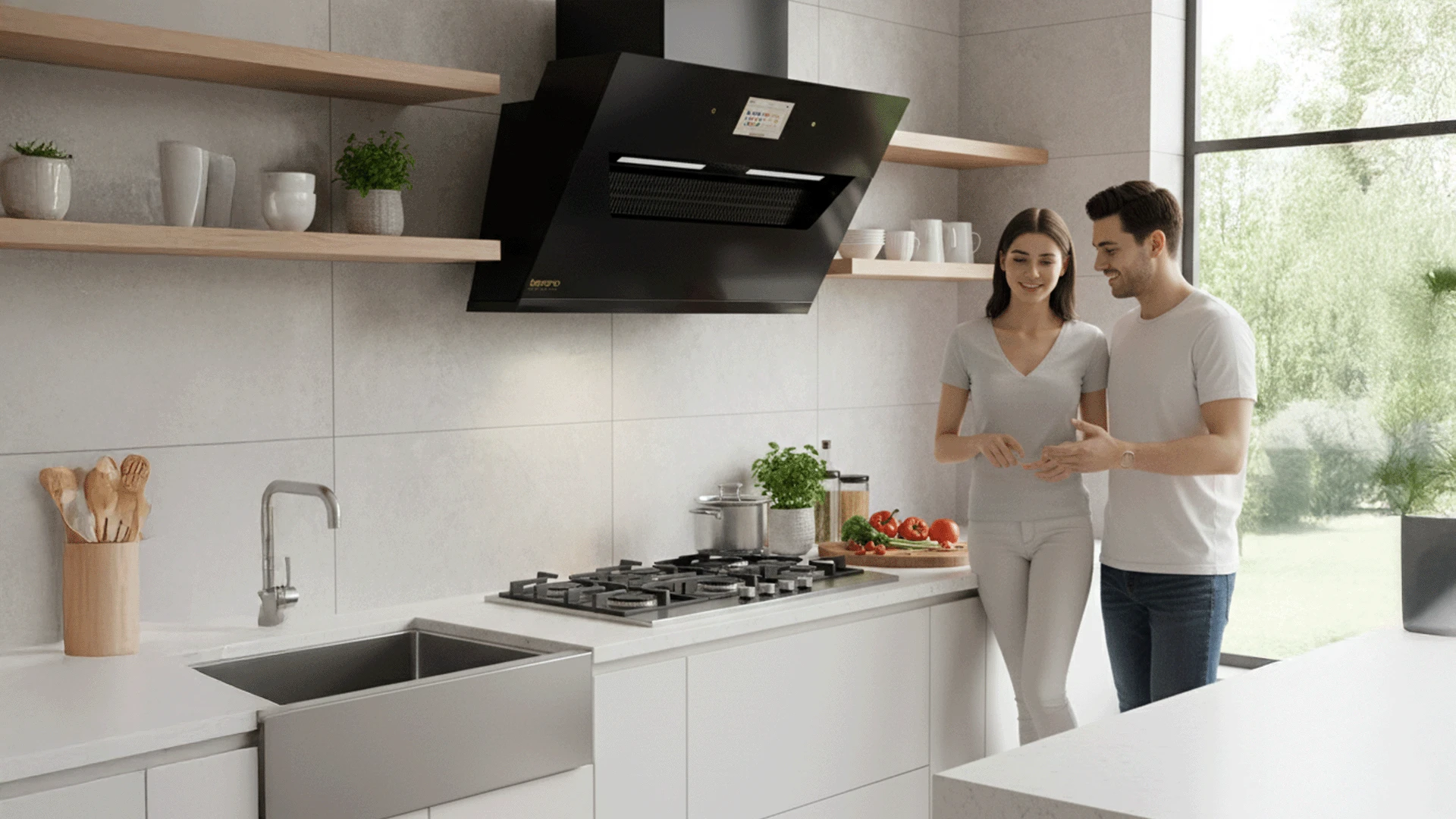
Choosing the right cooktop for your kitchen can transform your cooking experience. With various types of cooktops available in the market, from traditional gas burners to modern induction technology, making the right choice requires understanding each option's benefits and limitations. This comprehensive guide will help you navigate through different cooktop types, compare their features, and make an informed decision that suits your cooking style, budget, and kitchen setup. Whether you're renovating your kitchen or replacing an old cooking range, understanding these essential factors will ensure you invest in the perfect kitchen cooktop for your home.
The world of kitchen cooktops offers four primary options, each with distinct heating mechanisms and performance characteristics. Understanding these fundamental differences helps you identify which type aligns best with your cooking preferences and kitchen requirements.
Gas cooktops operate using natural gas or propane combustion, creating an open flame beneath your cookware. This traditional cooking method provides instant temperature control with visual flame feedback, allowing you to adjust heat levels immediately. The energy efficiency of gas cooktops makes them popular among professional chefs and home cooking enthusiasts who value precise heat management.
Electric cooktops come in two main varieties: coil electric cooktops with exposed heating elements and smooth-top electric models featuring ceramic glass surfaces. These cooktops use electrical resistance to generate heat, offering consistent temperature regulation and widespread availability. The cost-effectiveness and reliable performance make electric cooktops a practical choice for many households.
Induction cooktops utilize electromagnetic field heating to directly warm compatible cookware, requiring magnetic materials like cast iron or magnetic stainless steel. This advanced technology offers superior energy efficiency and safety benefits, as the cooktop surface remains relatively cool during cooking. The precise temperature control capabilities make induction cooktops ideal for delicate cooking techniques.
Downdraft cooktops feature built-in ventilation systems that eliminate the need for overhead range hoods. Dual fuel options combine gas cooktop surfaces with electric ovens, while commercial-style cooktops offer heavy-duty performance features for serious home cooks.
Comparing different cooktop types helps you understand which technology best matches your cooking style and kitchen setup. Each type offers unique advantages in performance, efficiency, and user experience.
Gas cooktops provide immediate heat adjustment and work with all cookware types, making them versatile for various cooking techniques. Electric cooktops offer steady, even heating but require longer heat-up and cool-down times. Induction cooktops deliver the fastest heating with precise temperature control, though they require compatible magnetic cookware.
Induction cooktops lead in energy efficiency, converting approximately 90% of energy directly to heat. Gas cooktops follow with about 60% efficiency, while traditional electric cooktops operate at roughly 50% efficiency. Long-term utility costs vary based on local gas and electricity rates, making regional pricing an important consideration.
Induction cooktops offer superior safety with cool surface temperatures and automatic shut-off when cookware is removed. Gas cooktops provide visual flame indicators but require proper ventilation. Electric cooktops maintain hot surfaces after use, requiring careful handling and often featuring indicator lights for safety.
Portable cooking solutions offer flexibility for small kitchens, temporary setups, or specialized cooking needs. These compact alternatives provide cooking capability without permanent installation requirements.
Portable cooktops excel in small kitchen solutions where space is limited, temporary cooking setups for events or renovations, and outdoor cooking applications. They're also ideal for supplementing existing cooking capacity during large meal preparations or holiday cooking.
Portable induction units offer precise control and safety features in compact designs. Electric hot plates provide simple, affordable cooking solutions. Butane gas burners deliver high heat output for outdoor use. Consider power requirements and limitations when selecting portable options, as some models require specific electrical connections.
Selecting the best cooktops requires evaluating multiple factors that impact both immediate satisfaction and long-term performance. This systematic approach ensures your investment meets your specific needs and preferences.
Measure available space accurately, considering both width and depth requirements. Evaluate ventilation system compatibility, especially for gas installations. Assess electrical or gas connection availability, as some installations may require professional upgrades. Consider countertop material compatibility, particularly for heavy or high-heat cooktop types.
Assess your cooking frequency and meal preparation volume to determine appropriate size and power requirements. Consider your cooking style preferences, such as high-heat searing or gentle simmering. Factor in family size and entertaining frequency. Evaluate available time for maintenance, as different cooktop types require varying care levels.
Initial purchase prices vary significantly by type, with induction cooktops typically commanding premium pricing. Factor in installation costs, which can be substantial for gas line additions or electrical upgrades. Calculate long-term operating expenses based on local utility rates. Consider warranty coverage and after-sales service availability for ongoing support.
Proper installation and ongoing maintenance ensure optimal performance and safety throughout your cooktop's lifespan. Understanding these requirements helps you plan for total ownership costs and responsibilities.
Gas cooktop installations require certified professionals to ensure safety and code compliance. Electric cooktops often need 220V connections, which may require electrical upgrades. Ventilation system integration is crucial for gas models and beneficial for all types. Professional installation ensures warranty coverage and optimal performance.
Daily cleaning procedures vary by cooktop type, with smooth surfaces generally easier to maintain than gas grates. Establish regular maintenance schedules for optimal performance and longevity. Familiarize yourself with common issues and basic troubleshooting to minimize service calls and maintain efficient operation.
Gas cooktops offer excellent temperature control and energy efficiency for most home cooks, providing instant heat adjustment and faster cooking times. However, the best choice depends on your specific cooking style, kitchen setup, and local utility costs.
The four main cooktop types are gas (open flame), electric (coil or smooth-top), induction (electromagnetic heating), and specialized options like downdraft models with integrated ventilation systems.
Induction cooktops are more efficient than traditional electric models, heating cookware directly while keeping the surface cooler. They provide faster, more precise temperature control but require compatible magnetic cookware.
Yes, induction cooktops require magnetic cookware such as cast iron or magnetic stainless steel. Non-magnetic materials like aluminum or copper won't work unless they have a magnetic base layer.
Gas cooktops are generally more energy efficient than traditional electric models because they provide direct heat transfer without heating the cooktop surface itself. However, induction electric cooktops surpass gas efficiency.
Standard cooktop sizes range from 24-36 inches wide. Choose based on your cooking frequency, family size, available counter space, and the number of burners you typically use simultaneously.
Selecting the right cooktop involves balancing performance, efficiency, safety, and budget considerations. Gas cooktops excel in immediate control and versatility, electric options provide reliable and affordable cooking, while induction technology offers superior efficiency and safety. Consider your cooking habits, kitchen layout, and long-term costs when making your decision. Professional installation ensures optimal performance and safety, while proper maintenance extends your cooktop's lifespan. Whether you choose traditional gas flames, reliable electric heating, or modern induction technology, the right cooktop will enhance your cooking experience and serve your family's needs for years to come.
