

Essential Checklist: Choosing Between Induction & Gas
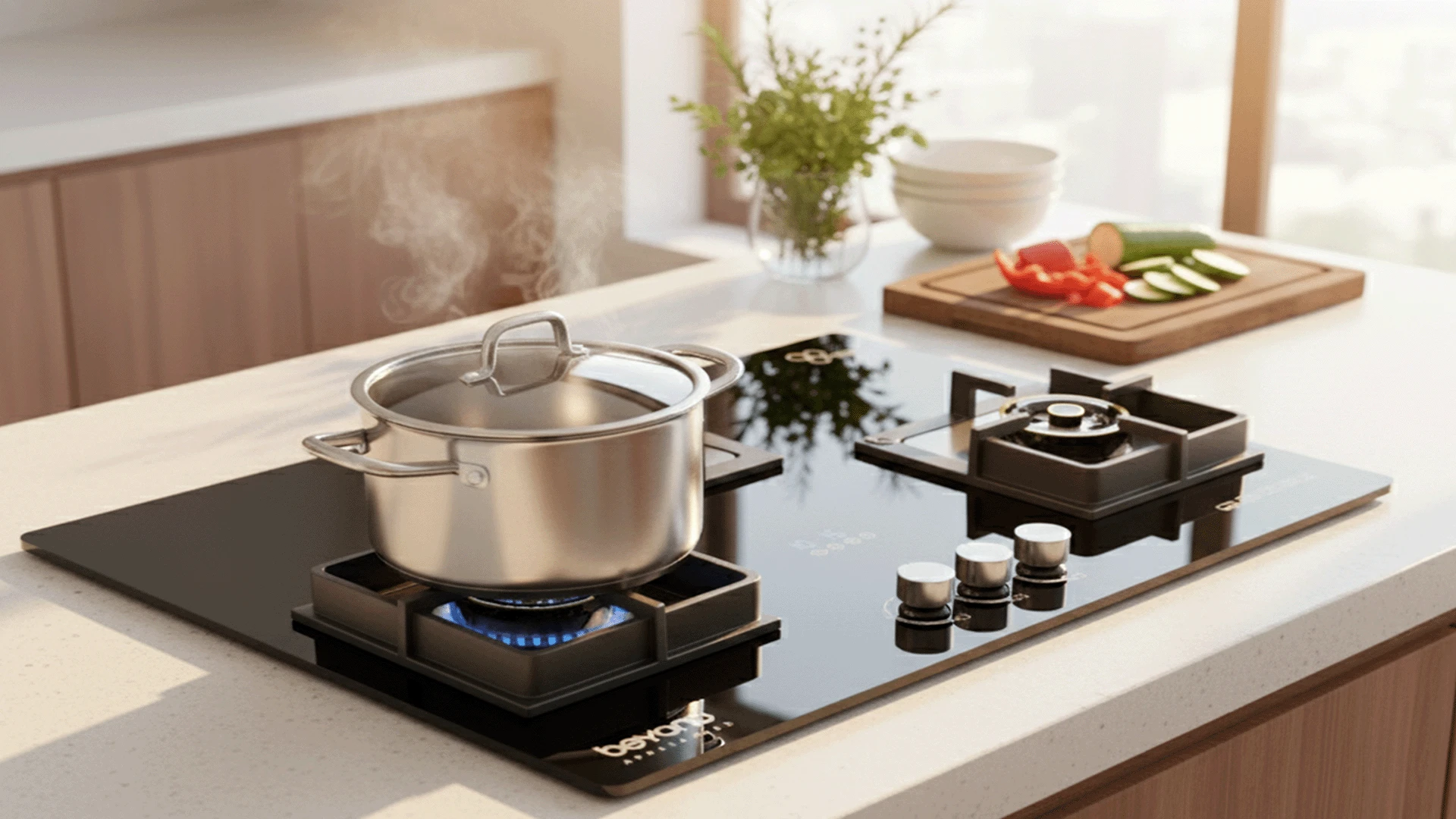
Choosing between an induction cooktop vs gas cooktop can feel overwhelming with so many factors to consider. Your decision impacts daily cooking efficiency, monthly utility bills, and kitchen safety for years to come. This comprehensive cooktop buying guide breaks down the essential differences between these popular cooking appliances to help you make an informed choice. We'll examine performance, costs, safety features, and practical considerations that matter most to modern households.
Understanding the fundamental differences between induction cooktop and gas cooktop technology helps explain their unique advantages and limitations. Each system uses completely different methods to generate heat for cooking.
Induction cooktops use electromagnetic fields to heat cookware directly. When you place compatible pots or pans on the surface, magnetic coils beneath the glass create rapid vibrations in the metal. This process generates heat instantly within the cookware itself, not the cooktop surface. The technology requires ferromagnetic materials like cast iron or stainless steel to function properly.
Gas cooktops burn natural gas or propane through burners to create open flames. Heat transfers from the flame to your cookware through direct contact and convection. BTU ratings indicate the burner's heat output capacity, typically ranging from 5,000 to 18,000 BTUs. Proper ventilation removes combustion byproducts and excess heat from your kitchen.
Speed comparison shows induction heating water 50% faster than gas. Energy transfer efficiency reaches 85-90% with induction versus 40-55% for gas systems. Temperature control precision favors induction with instant heat adjustments, while gas offers visual flame feedback for cooking techniques.
Performance differences between these kitchen cooktop options significantly impact your daily cooking experience. Let's examine the key areas where each technology excels or falls short.
Induction cooktops boil water in 3-4 minutes compared to 6-8 minutes for gas. Heat response happens instantly with induction - turn the control and power adjusts immediately. Gas cooktops require flame adjustment time and gradual temperature changes. Professional chefs often prefer gas for visual flame control, though many high-end restaurants now use induction for efficiency.
Induction offers superior temperature precision with digital controls maintaining exact heat levels. Simmering becomes effortless with consistent low-temperature settings. Gas cooktops provide excellent heat distribution but require manual flame adjustment for temperature changes. Both systems excel at high-heat cooking, though induction reaches maximum temperature faster.
Induction cooktops achieve 85-90% energy efficiency compared to gas at 40-55%. Monthly utility costs typically favor induction in most regions, saving INR 500-800 monthly for average households. Environmental impact depends on local electricity sources, but induction generally produces fewer emissions than gas combustion.
Safety considerations play a crucial role in cooktop comparison, especially for families with children or elderly members. Both technologies present unique safety profiles worth examining carefully.
Induction surfaces remain relatively cool during cooking since heat generates within cookware, not the cooktop. Child safety locks prevent accidental activation, while automatic shut-off functions activate when cookware is removed. No open flames eliminate fire risks and gas leak concerns. Overheat protection prevents damage from empty pans or excessive temperatures.
Open flames present burn risks and fire hazards if left unattended. Gas leaks pose serious safety threats requiring immediate attention and proper detection systems. Carbon monoxide production necessitates adequate ventilation to prevent poisoning. Modern gas cooktops include flame failure devices that shut off gas flow if flames extinguish unexpectedly.
Induction surfaces reach only 200-300°F compared to gas cooktop surfaces exceeding 500°F. Burn injuries occur less frequently with induction technology. Emergency response involves simply turning off power versus shutting gas valves and ensuring proper ventilation. Kitchen safety statistics show 40% fewer cooking-related accidents with induction systems.
Total cost of ownership extends beyond initial purchase price to include installation, operation, and maintenance expenses. Smart buyers evaluate both immediate and long-term financial impacts.
Entry-level induction cooktops start around INR 8,000-15,000, while gas models begin at INR 5,000-12,000. Premium induction units range from INR 25,000-50,000 compared to high-end gas cooktops at INR 20,000-40,000. Installation costs vary significantly - electrical work for induction versus gas line connections for gas systems.
Monthly electricity bills for induction typically cost INR 400-600 versus gas expenses of INR 800-1,200 for similar usage. Maintenance requirements favor induction with fewer moving parts and no gas line servicing. Cookware replacement costs may increase initially for induction-compatible pots and pans.
Calculating total expenses over five years often shows induction breaking even within 18-24 months despite higher upfront costs. Regional utility rates significantly impact this analysis - areas with expensive electricity may favor gas systems. Factor in potential gas price increases and electrical grid improvements when making long-term projections.
Real-world usage factors often determine satisfaction more than technical specifications. Consider these practical aspects before making your final decision.
Induction cooktops need dedicated electrical circuits, often requiring 240V connections and professional electrical work. Gas installations require proper gas lines, ventilation systems, and safety inspections. Kitchen renovations may favor one technology based on existing infrastructure and modification costs.
Induction requires ferromagnetic cookware - test existing pots with magnets to check compatibility. Aluminum, copper, and glass cookware won't work without induction-compatible bases. Gas cooktops accept any heat-resistant cookware materials. Budget for new cookware sets when switching to induction technology.
Induction surfaces clean easily with smooth glass tops requiring only gentle cleaners. Gas cooktops need regular burner cleaning, grate maintenance, and grease removal. Long-term maintenance costs typically favor induction with fewer mechanical components requiring service or replacement.
Your ideal cooking appliance depends on personal priorities, cooking habits, and household circumstances. Consider these scenarios to guide your choice.
Efficiency-focused households benefit from faster cooking times and lower operating costs. Safety-conscious families appreciate cool surfaces and automatic shut-off features. Modern kitchen designs often showcase sleek induction surfaces. Environmental priorities favor cleaner induction technology in most regions.
Traditional cooking preferences often favor gas for visual flame control and familiar techniques. Existing gas infrastructure makes installation simpler and more affordable. Budget-conscious buyers may prefer lower upfront costs. Power outage considerations favor gas independence from electrical systems.
Rate each factor by importance: efficiency, safety, cost, cooking style, and installation requirements. Weight scores based on your household priorities. Expert recommendations suggest induction for modern efficiency-focused kitchens and gas for traditional cooking enthusiasts with existing infrastructure.
Induction cooktops excel in energy efficiency, safety, and speed, while gas cooktops offer lower upfront costs and traditional cooking control. The better choice depends on your priorities for efficiency versus familiarity.
Professional chefs traditionally preferred gas for visual flame control, but many high-end restaurants now use induction for precise temperature control and energy efficiency. Home cooks often prefer induction for convenience and safety.
Induction requires compatible cookware, has higher upfront costs, and depends on electricity. Some cooks miss visual flame feedback and traditional gas cooking techniques.
Induction cooktops are generally safer with cool surfaces, no open flames, and automatic safety features. Gas cooktops present fire risks and require proper ventilation to prevent carbon monoxide exposure.
Induction typically costs INR 400-600 monthly versus gas at INR 800-1,200 for similar usage, though regional utility rates affect these calculations significantly.
Induction requires ferromagnetic cookware like cast iron or magnetic stainless steel. Test existing pots with a magnet - if it sticks, the cookware works with induction.
Choosing between induction and gas cooktops requires balancing efficiency, safety, costs, and cooking preferences. Induction offers superior energy efficiency, faster cooking, and enhanced safety features at higher upfront costs. Gas provides familiar cooking control, lower initial investment, and independence from electrical systems. Evaluate your household priorities, existing kitchen infrastructure, and long-term goals to make the best decision. Both technologies deliver excellent cooking performance when properly matched to user needs and preferences.
