

Essential Checklist: Auto vs Manual Hob Ignition
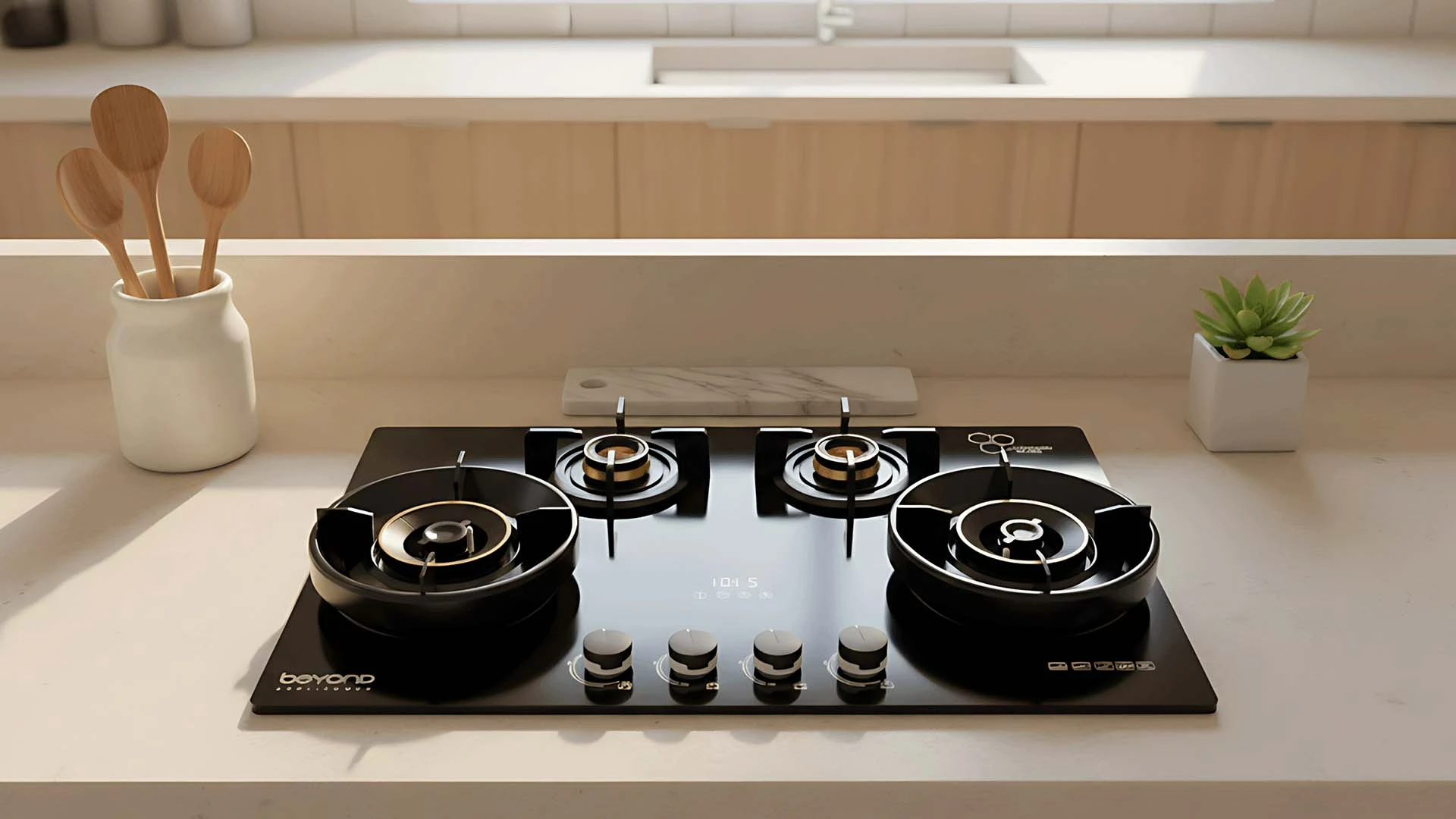
Choosing between auto ignition hob vs manual systems is one of the most important decisions when upgrading your kitchen. Modern cooking demands efficiency, safety, and convenience, making the right hob ignition system crucial for your daily cooking experience. With gas hob ignition types evolving rapidly, understanding the fundamental differences between automatic and manual systems helps you make an informed choice that aligns with your cooking habits, safety priorities, and budget considerations.
The world of gas hob ignition types has transformed significantly over the past decade. Modern kitchens now offer sophisticated ignition mechanisms that prioritize both safety and convenience. Understanding these systems helps you appreciate the engineering behind your cooking appliances.
An auto ignition hob uses piezoelectric technology to create sparks electronically. When you turn the control knob, a small hammer strikes a piezoelectric crystal, generating an electrical charge that creates a spark at the burner. This automatic hob lighter system eliminates the need for external flame sources like matches or lighters.
A manual ignition hob requires an external flame source to light the gas burner. You turn on the gas supply and use a match, lighter, or pilot light to ignite the burner. This traditional system has been the standard for decades and remains popular due to its mechanical simplicity.
The primary difference lies in ignition speed and user interaction. Auto ignition systems light instantly with a single knob turn, while manual systems require coordination between gas flow control and external flame application. Component complexity varies significantly, with auto systems featuring additional electrical components.
When evaluating hob ignition comparison factors, performance consistency emerges as a critical consideration. Both systems offer distinct advantages depending on your cooking environment and usage patterns. Understanding these performance metrics helps you choose the most suitable option.
Auto ignition systems typically achieve 95-98% success rates under normal conditions. However, humidity, grease buildup, and electrode wear can affect performance. Manual ignition systems depend entirely on user technique and external flame source quality, offering 100% reliability when properly executed.
Quality auto ignition systems last 8-12 years with proper maintenance. Common gas stove ignition problems include electrode corrosion, wiring issues, and piezoelectric crystal wear. Manual systems can last 15-20 years due to fewer moving parts and simpler mechanisms.
Most auto ignition systems use piezoelectric technology, requiring no external electricity. The mechanical action of turning the knob generates sufficient power for ignition. Some advanced models may require batteries or mains power for additional features like flame failure devices.
Safety considerations play a crucial role in choosing between ignition systems. Both auto and manual systems have specific safety advantages and potential risks that affect daily cooking operations. Modern safety standards have influenced the design of both systems significantly.
Auto ignition eliminates the need to handle matches or lighters near gas burners. This reduces burn risks and prevents accidental gas exposure during lighting attempts. The instant ignition also minimizes gas accumulation, reducing explosion risks in poorly ventilated areas.
Manual systems require careful coordination between gas flow and flame application. Delayed ignition can cause gas buildup, creating safety hazards. However, manual systems offer complete user control over the ignition process, allowing experienced cooks to manage gas flow precisely.
Both systems must comply with Indian safety standards for gas appliances. Auto ignition systems undergo additional electrical safety testing, while manual systems focus on gas flow and burner design safety. Insurance policies typically treat both systems equally regarding coverage.
The financial aspect of choosing between auto and manual ignition systems extends beyond initial purchase price. Understanding the total cost of ownership helps you make a financially sound decision that aligns with your budget and cooking requirements.
Auto ignition hobs typically cost INR 2,000-5,000 more than equivalent manual models. This premium reflects the additional components and manufacturing complexity. However, the price gap has narrowed significantly as auto ignition technology becomes more mainstream.
Auto ignition systems have minimal operating costs since most use piezoelectric technology requiring no external power. Maintenance costs may be higher due to electrode cleaning and occasional component replacement. Manual systems have virtually no operating costs but may require more frequent burner maintenance.
Over five years, the total cost difference between systems typically ranges from INR 3,000-7,000, including purchase price, maintenance, and potential repairs. The convenience factor often justifies the additional investment for frequent cooks.
Selecting the best hob ignition system depends on your specific cooking patterns, kitchen environment, and personal preferences. Different scenarios favor different ignition types, making it essential to match the system to your needs.
Efficient cooking hobs with auto ignition excel in high-frequency cooking environments. Commercial kitchens and busy households benefit from the speed and convenience of instant ignition. The time savings accumulate significantly over daily cooking sessions.
Smart cooking hobs increasingly feature advanced auto ignition systems with digital controls and safety sensors. These systems integrate with kitchen automation and offer remote monitoring capabilities. Future-proofing considerations favor auto ignition for smart kitchen integration.
Humid coastal areas may experience more auto ignition issues due to moisture affecting electrical components. Dry regions typically see better auto ignition performance. Local gas quality and pressure variations can affect both systems differently.
Understanding common ignition problems helps you maintain your hob effectively and know when professional service is required. Both auto and manual systems have specific failure patterns and troubleshooting approaches.
Electrode buildup from cooking residue commonly affects spark generation. Regular cleaning with a soft brush and mild detergent maintains performance. Loose connections and worn piezoelectric crystals require professional attention for safe repair.
Gas flow issues often stem from clogged burner ports or misaligned components. Cleaning burner caps and ensuring proper assembly resolves most manual ignition problems. Safety valve malfunctions require immediate professional service.
Any gas-related issues require professional attention for safety reasons. Electrical problems in auto ignition systems should be handled by qualified technicians. DIY repairs are limited to basic cleaning and component realignment.
The decision between auto and manual ignition ultimately depends on balancing convenience, safety, cost, and personal preferences. Consider your cooking frequency, family composition, and long-term kitchen plans when making this choice.
Frequent cooks benefit most from auto ignition convenience, while occasional users may prefer manual system simplicity. Families with young children should prioritize auto ignition safety features. Elderly users often find auto ignition easier to operate safely.
Beginners should consider auto ignition for its safety and ease of use. Professional chefs often prefer manual systems for precise control. Senior-friendly designs favor auto ignition with large, easy-to-turn knobs.
Emerging technologies include smartphone-controlled ignition, voice activation, and advanced safety sensors. Sustainability considerations are driving development of more efficient ignition systems. Market trends indicate continued growth in auto ignition adoption.
Auto ignition offers superior convenience and safety benefits, making it ideal for frequent cooking and families with children. Manual ignition provides mechanical simplicity and reliability, suiting users who prefer traditional control methods. Your choice should align with cooking frequency, safety priorities, and budget considerations.
Manual ignition requires external flame sources like matches or lighters to light the gas burner. Automatic ignition uses built-in piezoelectric systems that create sparks electronically when you turn the control knob, eliminating the need for external flames.
Auto ignition stoves provide enhanced safety by eliminating open flame handling, offer one-handed operation convenience, ensure faster ignition times, and reduce gas exposure during lighting. They also minimize ignition-related accidents and provide consistent performance.
Most auto ignition systems use piezoelectric technology that generates electricity mechanically through knob rotation, requiring no external power source. Some advanced models with additional features may need batteries or mains electricity for enhanced functionality.
Yes, auto ignition gas stoves are generally safer than manual systems. They eliminate match and lighter handling risks, reduce gas exposure time during ignition, and minimize user error possibilities. The instant ignition also prevents gas accumulation that could create safety hazards.
Choosing between auto ignition hob vs manual systems requires careful consideration of your specific needs, cooking habits, and safety priorities. Auto ignition systems excel in convenience, safety, and modern kitchen integration, while manual systems offer simplicity, reliability, and lower initial costs. Both systems can provide years of reliable service when properly maintained and used according to manufacturer guidelines. Consider your family's cooking patterns, safety requirements, and long-term kitchen plans to make the most appropriate choice for your home.
