

Efficient Cooktop Stove: Your Complete Guide
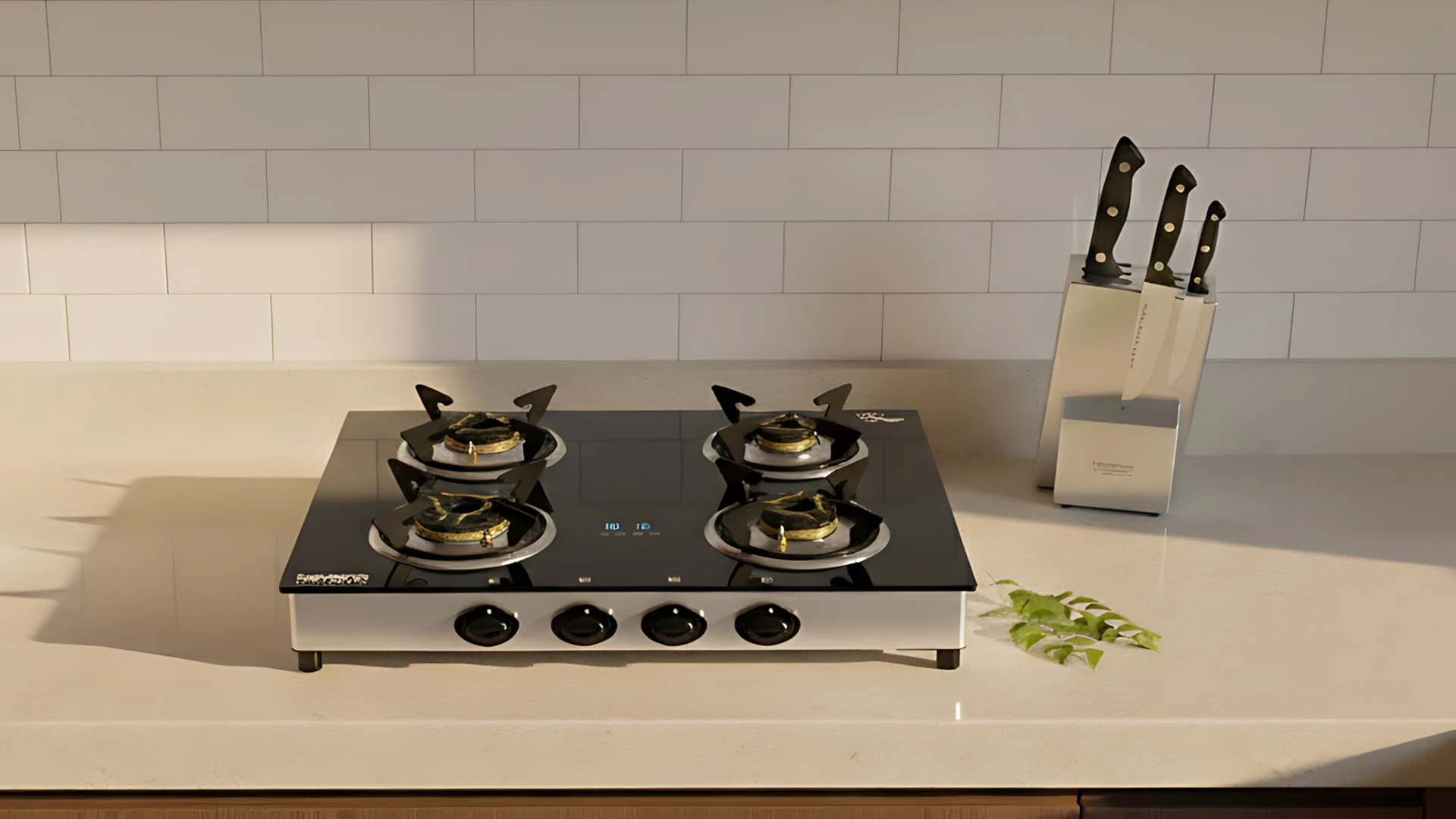
Choosing the right efficient cooktop stove can transform your cooking experience while reducing energy bills. Modern cooktops offer various technologies, from traditional gas burners to advanced induction systems. Understanding efficiency ratings, energy consumption patterns, and smart features helps you make an informed decision. Whether you're upgrading your kitchen or setting up a new home, the right cooktop balances performance, safety, and cost-effectiveness for years of reliable cooking.
An efficient cooktop stove maximizes heat transfer to your cookware while minimizing energy waste. Energy efficiency ratings vary dramatically across different technologies. Induction cooktops achieve up to 85% efficiency, meaning 85% of electrical energy converts directly to heat in your pan. Gas cooktops typically reach only 40% efficiency, with significant heat loss to surrounding air. Electric coil cooktops fall between these extremes at 65-70% efficiency. Heat transfer mechanisms determine overall performance. Direct heating methods like induction create immediate temperature changes, while indirect methods like gas flames heat the cookware surface first. This difference affects cooking speed, temperature control precision, and energy consumption. An energy efficient cooktop reduces cooking times by 25-50% compared to conventional options. Cost savings calculations reveal long-term benefits. A 2000W induction cooktop running for one hour consumes 2 units of electricity, costing approximately INR 12-15 depending on local rates. Gas consumption for equivalent cooking typically costs INR 8-10 per hour, but longer cooking times often offset initial savings. Environmental impact considerations include carbon footprint from electricity generation versus direct gas combustion.
Induction technology represents the pinnacle of cooking efficiency. Electromagnetic coils beneath the glass surface create magnetic fields that directly heat compatible cookware. This induction cooktop design eliminates intermediate heat transfer steps, achieving remarkable 85% efficiency ratings. Magnetic heating occurs only when ferromagnetic cookware sits on the cooking zone. The cooktop surface remains relatively cool, reducing energy waste and improving safety. Temperature control responds instantly to adjustments, allowing precise cooking techniques impossible with other technologies.
Direct heating eliminates the thermal mass of heating elements or gas flames. Your pan reaches target temperatures faster, reducing preheating time by up to 50%. Water boils in 3-4 minutes compared to 6-8 minutes on gas cooktops.
The cooking surface stays cool during operation, preventing accidental burns. Automatic shut-off activates when cookware is removed, eliminating energy waste. Child safety locks prevent unauthorized operation, making induction the safest cooking technology available.
Induction requires magnetic cookware materials like cast iron, carbon steel, or magnetic stainless steel. Test compatibility by checking if a magnet sticks firmly to the pan bottom. Non-magnetic aluminum, copper, or glass cookware won't work without magnetic interface discs.
Comparing different cooktop technologies helps identify the best efficient stove for your needs. Each technology offers distinct advantages depending on cooking preferences, energy costs, and installation requirements. Gas cooktop efficiency reaches 40% with instant flame control and visual heat indication. Operating costs remain lower in areas with subsidized gas prices. Professional chefs often prefer gas for wok cooking and flame-based techniques requiring direct fire contact.
Electric cooktop systems achieve 65-70% efficiency with consistent, even heating. Smooth glass surfaces simplify cleaning compared to gas grates. Temperature control offers more precision than gas flames but responds slower than induction systems.
Induction combines 85% efficiency with fastest cooking times and superior safety features. Initial costs are higher, but energy savings accumulate over time. Smart features like power level optimization and automatic pan detection enhance convenience. Energy consumption comparisons show induction using 1.5-2 units per hour for high-heat cooking, while electric coil systems consume 2.5-3 units for equivalent performance. Gas consumption varies by burner size and flame adjustment, typically costing INR 8-12 per hour including cylinder rental fees.
Modern smart cooktop designs incorporate advanced features that optimize energy consumption and enhance cooking precision. Programmable presets automatically adjust power levels for specific cooking tasks, reducing energy waste from overheating or extended cooking times. Power level optimization allows fine-tuning between 200W and 2000W in precise increments. Lower power settings maintain gentle simmering while higher levels provide rapid boiling. This flexibility prevents energy waste from using excessive power for delicate cooking tasks.
Cookware recognition sensors automatically adjust heating zones to match pan sizes. This prevents energy loss from heating areas beyond the cookware footprint. Temperature sensors monitor cooking progress and adjust power levels to maintain optimal conditions.
Built-in energy meters display real-time consumption data, helping users understand cooking costs. Historical usage tracking identifies patterns and suggests efficiency improvements. Some models connect to smartphone apps for remote monitoring and control.
Compact portable stove units provide efficient cooking solutions for small spaces, outdoor activities, and temporary setups. Single-burner induction units offer the same efficiency benefits as full-size cooktops in space-saving designs. Camping and outdoor cooking benefit from portable gas stoves with wind-resistant burners and fuel-efficient designs. Butane cartridge stoves provide consistent heat output while remaining lightweight and easy to transport.
Portable electric hot plates work well in dormitories and small apartments where gas connections aren't available. Power requirements typically range from 1000W to 1500W, making them suitable for standard electrical outlets.
Basic portable induction units start around INR 1500-2000, offering essential cooking capabilities without advanced features. These units provide excellent value for occasional use or supplementary cooking capacity.
Selecting the best cooktop requires evaluating power requirements, size considerations, and budget constraints. Power ratings from 1200W to 2000W affect cooking speed and energy consumption. Higher wattage units cook faster but may require dedicated electrical circuits. Size considerations include single-burner units for minimal cooking needs, double-burner models for small families, and multi-burner options for larger households. Counter space availability and installation requirements influence size selection.
Entry-level options under INR 3000 provide basic induction or electric cooking capabilities. Mid-range models from INR 3000-8000 include safety features, multiple power levels, and better build quality. Premium options above INR 8000 offer smart features, superior materials, and extended warranties.
Look for ISI certification ensuring safety and quality standards. Customer reviews and ratings provide insights into real-world performance and reliability. Extended warranty options and local service availability protect your investment. The Cooktops Auriga series exemplifies quality construction with ISI certification for safety assurance. Smart timer functionality automatically switches off gas supply when preset cooking times expire. Flame failure devices provide additional safety by cutting gas supply if flames extinguish accidentally.
Induction cooktops achieve the highest efficiency at 85%, converting electrical energy directly into heat within compatible cookware. This eliminates heat loss to surrounding air, making induction the most energy-efficient cooking technology available.
Induction stoves lead efficiency rankings with 85% energy conversion rates compared to 40% for gas and 65-70% for electric coil systems. Convection features in some models can add another 15-20% efficiency improvement for baking and roasting.
Induction technology using electromagnetic coils provides the most efficient cooking method. Magnetic fields heat cookware directly while keeping the cooking surface cool, eliminating energy waste from heating intermediate surfaces.
1600W units provide faster heating and higher maximum temperatures, reducing cooking times by 15-20%. However, 1200W models consume less electricity and work well for most cooking tasks. Choose based on your cooking frequency and electricity costs.
Induction cooktops only work with magnetic cookware including cast iron, carbon steel, and magnetic stainless steel. Test compatibility using a magnet on the pan bottom. Non-magnetic materials like aluminum or copper require magnetic interface discs.
Quality single-burner induction cooktops range from INR 2000-5000 for basic models, INR 5000-10000 for feature-rich options, and INR 10000+ for premium smart cooktops with advanced controls and build quality.
Choosing an efficient cooktop stove involves balancing energy performance, cooking needs, and budget considerations. Induction technology offers the highest efficiency and fastest cooking times, while gas cooktops provide lower operating costs in many regions. Electric cooktops fall between these options, offering consistent heating with moderate efficiency. Smart features like automatic shut-off, power optimization, and energy monitoring enhance both safety and efficiency. Consider your cookware compatibility, installation requirements, and local energy costs when making your decision. Quality construction with proper certifications ensures safe, reliable operation for years of efficient cooking.
