

Digital Stove Timer: Everything You Need to Know
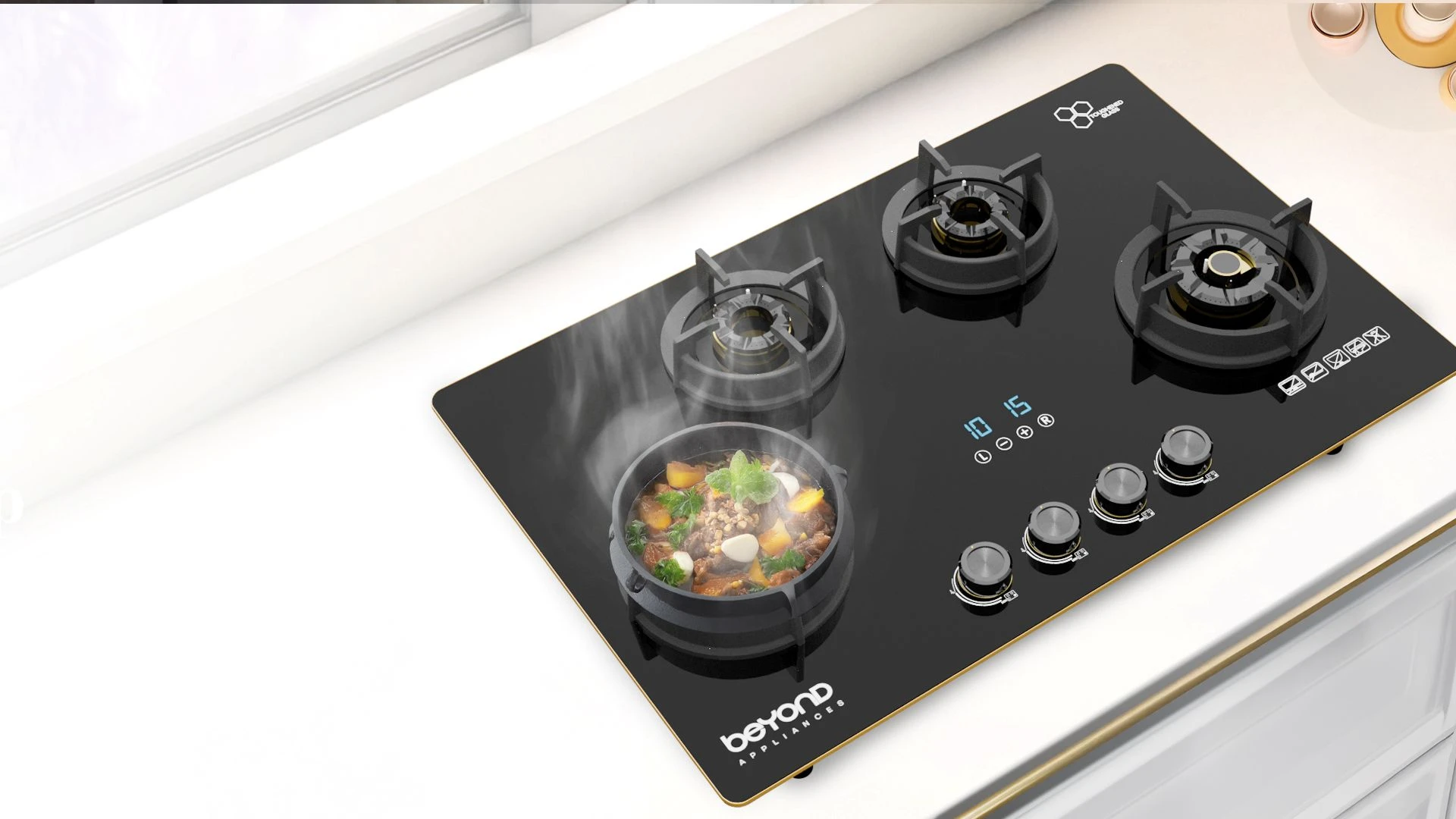
Modern kitchens demand smart solutions that make cooking safer and more efficient. Digital timer stove features have revolutionized how we approach cooking, offering precision control and enhanced safety measures. These advanced systems combine traditional cooking methods with intelligent technology to create a seamless culinary experience. Whether you're managing multiple dishes or simply want peace of mind while cooking, understanding digital stove timer technology helps you make informed decisions for your kitchen upgrade.
Digital timer stove features represent a significant advancement in kitchen technology. These systems integrate timing mechanisms directly into your cooking surface, allowing precise control over cooking durations. Unlike basic kitchen timers that simply alert you when time expires, digital stove timers can automatically control gas flow and burner operation. The core functionality involves electronic sensors that monitor cooking time and coordinate with safety systems. When you set a timer, the system tracks the duration and can automatically shut off gas supply when the preset time expires. This integration creates a smart cooking environment that reduces the risk of overcooking and enhances kitchen safety.
Basic digital kitchen timers operate independently of your stove, requiring manual intervention to stop cooking. Advanced integrated systems connect directly to burner controls, enabling automatic shut-off functionality. These sophisticated mechanisms often include battery backup systems to maintain timer settings during power fluctuations.
Modern digital stove timers work seamlessly with flame failure devices and auto-ignition systems. This coordination ensures that safety measures remain active throughout the cooking process. The timer communicates with gas control valves to provide comprehensive cooking management.
The market offers various digital kitchen timer solutions, each designed for specific cooking needs and preferences. Understanding these options helps you select the most suitable system for your culinary requirements. Standalone digital kitchen timers provide portable timing solutions for any cooking method. These devices offer flexibility and can be used with existing stoves without modification. They typically feature multiple timer settings and loud alerts to ensure you never miss cooking milestones.
Built-in timer features represent the pinnacle of cooking convenience. These systems integrate directly into gas and electric stoves, providing seamless operation and enhanced safety features. The timer controls coordinate with burner operation to deliver precise cooking management.
App-connected and voice-controlled timer systems offer the latest in kitchen innovation. These smart cooking timers can be monitored remotely and often include recipe integration features. They represent the future of connected kitchen appliances.
Advanced cooktops feature individual timers for each cooking zone. This capability allows simultaneous management of multiple dishes with different cooking requirements. Each burner operates independently while maintaining coordinated safety protocols.
Digital stove timer technology delivers numerous advantages that enhance both cooking performance and kitchen safety. These benefits make timer-equipped stoves increasingly popular among modern home cooks. Precision cooking control ensures consistent results across different recipes and cooking methods. The timer maintains exact cooking durations, eliminating guesswork and reducing the likelihood of overcooking. This precision proves especially valuable for delicate dishes requiring specific timing.
Automatic shut-off capabilities significantly reduce fire risks and gas waste. The system monitors cooking progress and intervenes when necessary to prevent dangerous situations. This safety feature provides peace of mind, especially for busy households or elderly users.
Timer systems enable confident multitasking by managing multiple cooking processes simultaneously. You can focus on other kitchen tasks while the timer ensures proper cooking progression. This efficiency proves invaluable during meal preparation for large families or entertaining guests.
Optimized cooking times reduce unnecessary gas and electricity consumption. The timer prevents extended cooking periods that waste energy without improving food quality. This conservation translates to lower utility bills and reduced environmental impact.
Different stove technologies integrate timer features in unique ways, each offering specific advantages based on the heating method and control systems. Understanding these differences helps you choose the most suitable option for your cooking style. Gas stoves with digital timers combine traditional flame cooking with modern safety features. The timer coordinates with auto-ignition systems to provide seamless operation from lighting to automatic shut-off. This integration maintains the responsive heat control that gas cooking enthusiasts prefer while adding contemporary safety measures.
Flame failure device coordination ensures that gas supply stops immediately if flames extinguish unexpectedly. The timer system monitors this safety feature continuously, providing comprehensive protection throughout the cooking process. Individual burner timer controls allow precise management of 3-burner and 4-burner configurations.
Electric and induction stoves offer precise temperature control that integrates seamlessly with timer functionality. These systems provide energy-efficient cooking cycles that optimize power consumption based on cooking requirements. Digital displays offer clear timer information and intuitive control interfaces.
Modern digital stove timers include sophisticated features that elevate cooking convenience and safety to new levels. These advanced capabilities distinguish premium appliances from basic timer-equipped models. Multi-timer capability allows setting different durations across multiple burners simultaneously. You can manage complex meals with varying cooking requirements without confusion or oversight. The system tracks each timer independently while maintaining coordinated safety protocols.
Advanced timing algorithms adapt to different cooking methods and food types. These intelligent systems learn from usage patterns to suggest optimal cooking times for various dishes. The precision extends beyond simple countdown functionality to include temperature coordination and energy optimization.
Automatic flame shut-off and failure detection systems work continuously with timer controls. The integration ensures that safety measures remain active throughout cooking processes. Toughened glass surfaces and brass burner compatibility enhance durability while maintaining safety standards.
Digital displays provide clear timer information with intuitive control layouts. The interface design prioritizes ease of use while offering comprehensive functionality. Modern systems include warranty coverage of 5+ years, ensuring long-term reliability and support.
Selecting the ideal digital timer stove requires careful consideration of your cooking needs, kitchen space, and safety requirements. The decision impacts daily cooking efficiency and long-term satisfaction with your kitchen setup. Size and configuration considerations begin with evaluating your cooking volume and kitchen space. 3-burner configurations suit smaller kitchens or households with moderate cooking needs. 4-burner systems provide greater flexibility for larger families or frequent entertaining. The timer features scale appropriately with burner quantity to maintain comprehensive cooking management.
Flame failure device integration represents a critical safety feature that should coordinate seamlessly with timer controls. Auto-ignition reliability ensures consistent performance over extended periods. Glass thickness standards, such as 8mm toughened glass, provide durability for high-heat cooking while supporting timer system components.
Entry-level timer features provide basic functionality at accessible price points. Premium systems offer advanced capabilities that justify higher initial investments through enhanced convenience and safety. Long-term energy savings calculations should include reduced gas consumption from optimized cooking times and automatic shut-off features.
A stove timer is an integrated system that monitors cooking duration and can automatically control burner operation. It improves cooking by preventing overcooking, reducing energy waste, and enhancing safety through automatic shut-off capabilities. The timer provides confidence for users who occasionally forget cooking times and integrates with flame failure devices for comprehensive protection.
Gas, electric, and induction stoves all offer timer integration options. Gas stoves combine timer controls with flame management systems. Electric stoves provide precise temperature coordination with timer functionality. Induction systems offer rapid response timing with energy-efficient operation. Each type delivers specific performance characteristics suited to different cooking preferences.
Yes, modern stoves with smart timer systems include automatic shut-off capabilities. These safety features use sensors to monitor cooking progress and intervene when necessary. The systems prevent fire risks and provide confidence for busy households. Integration with flame failure devices ensures comprehensive safety coverage throughout cooking processes.
Automatic ignition systems coordinate with timer controls to provide seamless operation from lighting to shut-off. Battery or piezo-electric ignition mechanisms work independently of timer systems while maintaining communication for safety purposes. The integration provides speed and convenience benefits while ensuring reliable performance over extended periods.
Look for individual timer controls for each burner, allowing independent management of different cooking processes. Simultaneous timing capabilities enable complex meal preparation without confusion. Advanced control features should include clear displays, intuitive interfaces, and coordination with safety systems. Accuracy and reliability prove essential for consistent cooking results.
Quality digital stove timers typically last 5-10 years with proper maintenance. Premium systems often include extended warranty coverage that reflects manufacturer confidence in durability. Regular cleaning and appropriate usage extend timer system lifespan while maintaining accuracy and safety functionality.
Digital timer stove features represent a significant advancement in kitchen safety and cooking efficiency. These systems combine traditional cooking methods with intelligent technology to create seamless culinary experiences. Whether you choose standalone timers or integrated systems, the benefits include enhanced safety, improved cooking precision, and greater multitasking capability. Consider your cooking needs, kitchen size, and safety requirements when selecting timer-equipped stoves. The investment in digital timer technology pays dividends through reduced energy consumption, improved cooking results, and enhanced peace of mind during meal preparation.
