

Cooktop vs Hob: Your Essential Kitchen Checklist
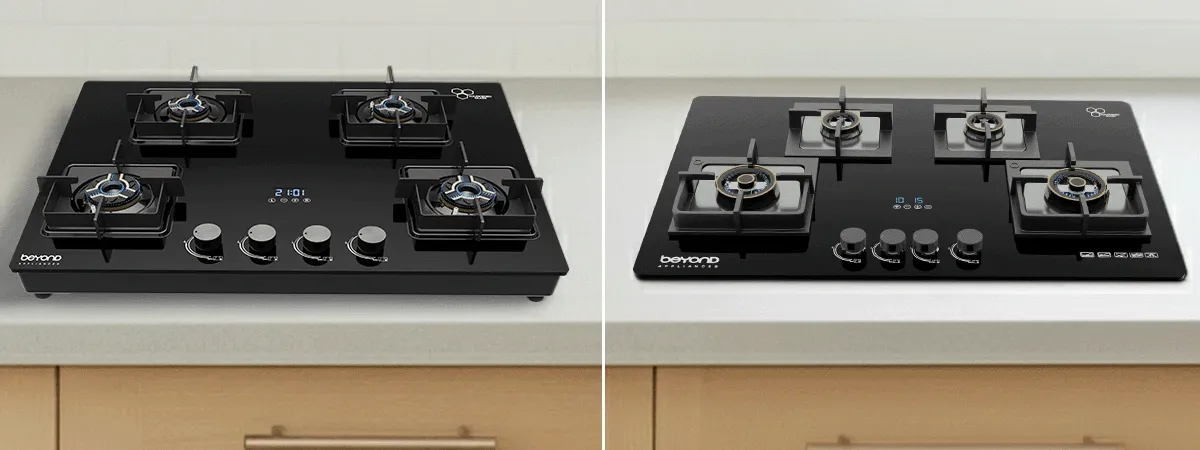
When planning your dream kitchen or upgrading your cooking space, the cooktop vs hob difference often sparks confusion among homeowners. While these terms are frequently used interchangeably, understanding their distinctions can significantly impact your cooking experience and kitchen design. Whether you're a passionate home chef or someone who simply wants efficient meal preparation, choosing between a cooktop and hob involves considering factors like installation requirements, cooking performance, and regional preferences. This comprehensive checklist will guide you through the essential differences, help you evaluate types of cooktops, and provide practical insights to make an informed decision that perfectly suits your culinary needs and kitchen layout.
The foundation of making the right choice lies in understanding what each appliance actually represents. Many people use "cooktop" and "hob" interchangeably, but there are subtle yet important distinctions that can influence your purchasing decision.
A cooktop refers to a flat cooking surface that sits on top of your kitchen counter or is built into it. These appliances are typically found in North American kitchens and come as standalone units that can be installed independently of an oven.
A hob is essentially the British and European term for what Americans call a cooktop. However, hobs are traditionally built into kitchen countertops and are often part of integrated kitchen designs.
While the cooktop hob comparison reveals many similarities, several factors distinguish these cooking appliances. Understanding these differences will help you determine which option aligns better with your kitchen requirements and cooking style.
The primary difference lies in regional preferences and design approaches. Cooktops dominate North American markets with emphasis on versatility and independent installation, while hobs are preferred in European kitchens where integrated design takes precedence.
Cooktops typically offer more flexible installation options, including drop-in, slide-in, and freestanding models. Hobs are predominantly designed for built-in installation, creating seamless integration with countertops.
The variety of cooking technologies available today offers options for every cooking style and budget. Each type brings unique advantages and considerations that should factor into your decision-making process.
Gas cooktop vs hob options provide instant heat control and visual flame indicators that many professional chefs prefer. Prices typically range from INR 15,000 to INR 80,000 depending on features and brand quality.
Electric models offer consistent heating and easier cleaning compared to gas alternatives. These units work well in homes without gas connections and provide even heat distribution across the cooking surface.
Induction cooktop vs hob models represent the latest in cooking technology, using electromagnetic fields to heat compatible cookware directly. These units offer precise temperature control, energy efficiency, and enhanced safety features.
Making the right choice requires evaluating multiple factors that will impact your daily cooking experience. This systematic approach ensures you consider all crucial elements before making your investment.
Measure available counter space carefully
Consider clearance needs around cooking surface
Evaluate integration with existing cabinetry
Assess overall kitchen workflow impact
Assess typical cooking patterns and burner usage
Consider types of meals you regularly prepare
Evaluate need for professional-grade features
Determine priority between performance and simplicity
Modern kitchens increasingly incorporate smart cooking appliances that offer connectivity and advanced features. These technologies can enhance your cooking experience while providing energy monitoring and remote control capabilities.
Smart-enabled models allow remote monitoring, preset cooking programs, and integration with home automation systems. These features can improve cooking consistency and provide valuable energy usage insights.
Proper installation ensures safe operation and optimal performance of your chosen cooking appliance. Understanding these requirements helps you budget appropriately and plan your kitchen renovation timeline.
Electric models require appropriate circuit capacity and may need electrical upgrades in older homes. Gas installations require proper ventilation and certified professional installation to meet safety codes.
The primary difference is regional terminology and design philosophy. "Cooktop" is the North American term for a standalone cooking surface, while "hob" is the British/European term, typically referring to built-in cooking surfaces integrated into countertops.
For traditional Indian cooking, gas cooktops offer better control for techniques like tempering spices and using curved-bottom cookware. However, induction models provide energy efficiency and work well with flat-bottom Indian cookware.
Quality models typically range from INR 20,000 to INR 1,50,000, depending on size, features, and technology. Factor in additional costs for installation, ventilation, and any electrical or gas line modifications required.
While some electric models allow DIY installation, gas units and complex electrical installations require certified professionals for safety and warranty compliance.
Choosing between a cooktop and hob ultimately depends on your regional preferences, kitchen design goals, and cooking requirements. Both options offer excellent cooking performance when properly selected and installed. Focus on evaluating your specific needs including space constraints, cooking habits, budget considerations, and desired features. Whether you choose gas, electric, or induction technology, prioritize quality construction, appropriate sizing, and professional installation to ensure years of reliable cooking performance.
