

Cooktop Burner Styles: Your Complete FAQ Guide
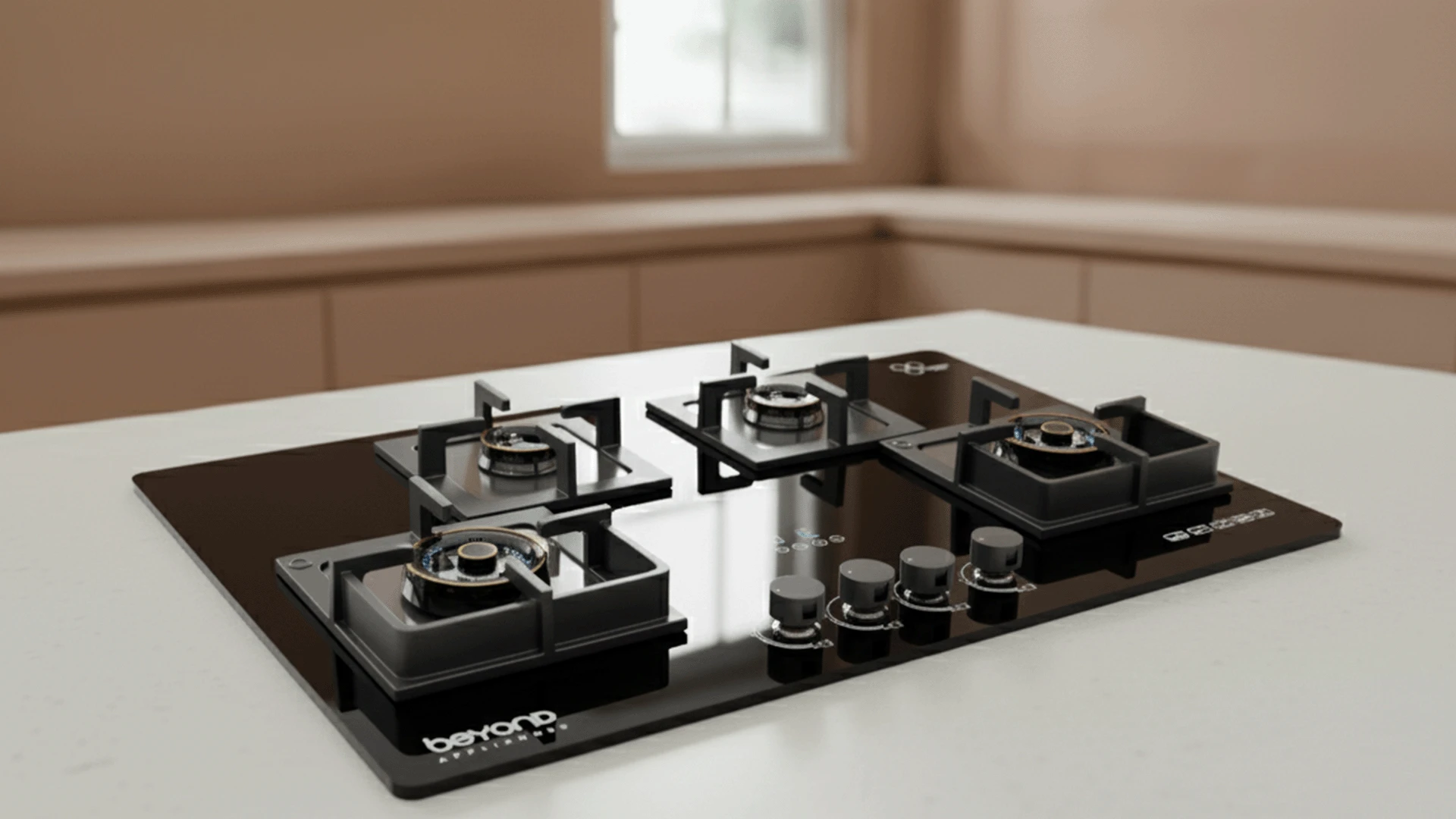
Choosing the right cooktop burner style can transform your cooking experience and kitchen efficiency. With various cooktop types available in the Indian market, from traditional gas models to modern smart cooktops, understanding the differences is crucial for making an informed decision. Whether you're renovating your kitchen or replacing an old stove top, each burner style offers unique advantages in terms of cooking performance, energy efficiency, and cost-effectiveness. This comprehensive guide addresses the most common questions about different cooktop burner styles, helping you navigate through gas cooktop, electric cooktop, induction cooktop, and portable cooktop options. From understanding heat distribution patterns to exploring energy efficient cooktops, we'll cover everything you need to know to select the perfect kitchen cooktops for your culinary needs and budget.
Before diving into specific cooktop burner styles, it's essential to understand how different heating mechanisms affect your cooking experience. The way heat transfers from the burner to your cookware determines cooking speed, temperature control, and energy consumption.
Cooktop types vary primarily in their heat source and distribution method. Traditional gas burners use open flames, electric models rely on heated coils or smooth surfaces, while induction technology uses magnetic fields to heat compatible cookware directly. Each method offers distinct advantages for different cooking styles and kitchen setups.
The three primary heat transfer methods in kitchen cooktops are conduction, convection, and electromagnetic induction. Gas burners primarily use convection, heating the air around cookware. Electric coil and radiant burners use conduction, transferring heat through direct contact. Induction cooktop models use electromagnetic fields to generate heat directly in ferromagnetic cookware, making them the most energy efficient cooktops available.
Most cooktop burner configurations include multiple sizes to accommodate different cooking needs. Standard layouts feature small (1,000-1,500 watts), medium (1,500-2,500 watts), and large (2,500-3,500 watts) burners. Some premium models include specialized high-heat burners exceeding 4,000 watts for rapid boiling or wok cooking, particularly beneficial in Indian kitchens where high-heat cooking is common.
Gas cooktop models remain the most popular choice in Indian households due to their instant heat control and compatibility with all cookware types. These burners use natural gas or LPG to create an open flame that provides immediate visual feedback and precise temperature adjustment.
Traditional gas burners feature cast iron grates and brass or aluminum burner caps that distribute flames evenly around cookware. Modern models like Cooktops Solaria incorporate advanced features including Full Brass Burners that save more gas while providing durable, high-performance operation. The flame pattern varies between manufacturers, with some offering concentrated central flames for rapid heating and others providing wider flame distribution for even cooking across larger pans.
Most gas cooktop models feature three to five burners with varying BTU outputs. Small auxiliary burners (5,000-9,000 BTU) handle delicate tasks like simmering, while large burners (12,000-15,000 BTU) provide high heat for rapid boiling. Many Indian models include specialized burners designed for pressure cooking and traditional cookware.
Modern gas cooktop designs incorporate sealed burners that prevent spills from reaching the cooktop interior. Advanced models feature 5D Flames with 5 directional flames to spread heat evenly to the cookware, improving thermal efficiency and reducing cooking times. Some premium models include dual-ring burners that offer both high-heat and low-simmer capabilities on the same burner.
Advanced gas cooktop models include features like Auto Ignition where you simply press, turn and hold the knobs to light up the burners without manual lighting. Safety features like Flame Failure Device cut off gas supply if flames extinguish due to wind or food spillage. Some models also include Smart Timer functionality that automatically switches off gas when the set time is up.
Electric cooktop models offer consistent heating and easy maintenance, making them increasingly popular in modern Indian kitchens. These burners use electrical resistance to generate heat, either through exposed coils or smooth glass-ceramic surfaces.
Electric coil burners feature spiral heating elements that glow red when heated. While less aesthetically pleasing than smooth-top models, coil burners are typically more affordable and easier to replace when damaged. The coils heat up relatively quickly and provide good heat distribution for most cooking tasks.
Traditional coil electric cooktop burners consist of metal heating elements that plug into the cooktop surface. These removable coils make cleaning easier and allow for replacement when damaged. Coil burners typically offer 4-6 heat settings and work with all cookware types, though they may create uneven heating with warped or lightweight pans.
Glass-ceramic electric cooktop surfaces house radiant heating elements beneath a smooth, easy-to-clean surface. These burners heat up more slowly than gas but maintain consistent temperatures once heated. The smooth surface requires flat-bottomed cookware for optimal heat transfer and can be damaged by heavy impacts or thermal shock.
Some electric cooktop models incorporate halogen heating elements that provide faster heat-up times than traditional radiant burners. These burners use halogen bulbs to generate intense heat quickly, offering more responsive temperature control than standard electric elements while maintaining the smooth-top aesthetic.
Induction cooktop technology represents the most advanced and energy efficient cooktops available today. These burners use electromagnetic fields to heat ferromagnetic cookware directly, resulting in faster cooking times and precise temperature control.
Induction burners remain cool to the touch during cooking, as heat generates within the cookware itself rather than the cooktop surface. This technology offers superior safety features and energy efficiency, converting up to 90% of electrical energy into heat compared to 65-70% for traditional electric burners.
Induction cooktop burners create alternating magnetic fields that induce electrical currents in ferromagnetic cookware. These currents generate heat directly in the pan bottom, providing instant heat response and precise temperature control. The electromagnetic field only activates when compatible cookware is present, making induction the safest cooktop burner option available.
Induction cooktop models require ferromagnetic cookware, including cast iron, carbon steel, and magnetic stainless steel. Aluminum, copper, and non-magnetic stainless steel cookware won't work unless they have magnetic bases. A simple magnet test can determine cookware compatibility – if a magnet sticks to the bottom, it will work on induction burners.
Modern induction cooktop models include features like power boost functions, automatic pan detection, and precise temperature settings. Some smart cooktops offer app connectivity, preset cooking programs, and integration with kitchen timers. These advanced features make induction technology particularly appealing for tech-savvy home cooks seeking maximum control and convenience.
Portable cooktop models provide flexibility for small kitchens, outdoor cooking, or temporary cooking solutions. These compact units are available in gas, electric, and induction configurations, offering many of the same features as built-in models in a moveable format.
Single-burner portable cooktop units are ideal for studio apartments, office kitchens, or as supplementary cooking surfaces during large meal preparation. Multi-burner portable models can serve as complete cooking solutions for temporary living situations or outdoor entertaining.
Portable cooktop gas models typically use small propane or butane canisters for fuel. These units offer excellent heat control and work with all cookware types. Safety features include automatic shut-off valves and wind guards for outdoor use. Fuel costs can be higher than piped gas, but the portability makes them valuable for camping and emergency cooking situations.
Electric portable cooktop models require standard electrical outlets and offer consistent heating performance. Portable induction cooktop units provide the fastest heating and most precise control in compact formats. These units often include digital displays, multiple power levels, and timer functions, making them excellent choices for precise cooking tasks or small-space living.
Gas cooktop burners use open flames for instant heat control and work with all cookware types. Electric cooktop models use heated coils or radiant elements for consistent heating but slower response times. Induction cooktop burners use electromagnetic fields to heat compatible cookware directly, offering the fastest heating and most precise control while remaining cool to the touch.
Induction cooktop models are the most energy efficient cooktops, converting up to 90% of electrical energy into heat. Electric radiant burners achieve 65-70% efficiency, while gas burners typically reach 55-60% efficiency. However, local energy costs may make gas more economical despite lower efficiency.
Gas cooktop and electric coil burners work with all cookware materials. Smooth-top electric burners require flat-bottomed cookware for optimal heat transfer. Induction cooktop models only work with ferromagnetic cookware like cast iron, carbon steel, and magnetic stainless steel. Use a magnet test to check compatibility.
Modern kitchen cooktops should include automatic shut-off, child safety locks, and overheat protection. Gas cooktop models should have flame failure safety devices. Induction cooktop units offer the safest operation with cool surfaces and automatic pan detection. Smart cooktops may include additional monitoring and alert features.
Basic gas cooktop models start around INR 3,000-8,000 for two-burner units. Electric cooktop prices range from INR 2,000-15,000 depending on features. Induction cooktop models cost INR 1,500-25,000, with portable cooktop options starting at INR 1,000. Smart cooktops command premium prices starting around INR 15,000.
Induction cooktop burners provide the fastest heating, bringing water to boil 25-50% faster than other methods. Gas cooktop burners offer instant flame and quick heat adjustment. Electric coil and radiant burners heat up more slowly but maintain consistent temperatures once heated.
Portable cooktop units can match built-in performance in single or dual-burner configurations. Portable induction cooktop models often include advanced features like precise temperature control and timer functions. However, portable gas units may have lower BTU outputs than built-in models, and portable electric units may be limited by standard outlet power.
Gas cooktop burners need regular cleaning of grates and burner caps, with occasional deep cleaning of gas ports. Electric cooktop coil models require coil replacement when damaged, while smooth-top models need specialized cleaners to prevent scratches. Induction cooktop surfaces are easiest to clean but require careful handling to prevent damage to the glass surface.
Selecting the right cooktop burner style depends on your cooking preferences, budget, and kitchen setup. Gas cooktop models offer instant heat control and universal cookware compatibility, making them ideal for traditional Indian cooking styles. Electric cooktop options provide consistent heating and easy maintenance, while induction cooktop technology delivers superior efficiency and precise control for modern cooking needs.
Energy efficient cooktops like induction models may require higher initial investment but offer long-term savings through reduced operating costs. Portable cooktop options provide flexibility for small spaces or temporary cooking solutions. Consider your local energy costs, cooking habits, and existing cookware when choosing between different cooktop burner styles. Smart cooktops add convenience and safety features but come at premium prices that may be worthwhile for tech-savvy households seeking maximum cooking control and connectivity.
