

Cooktop Burner Heat Control: Complete Guide
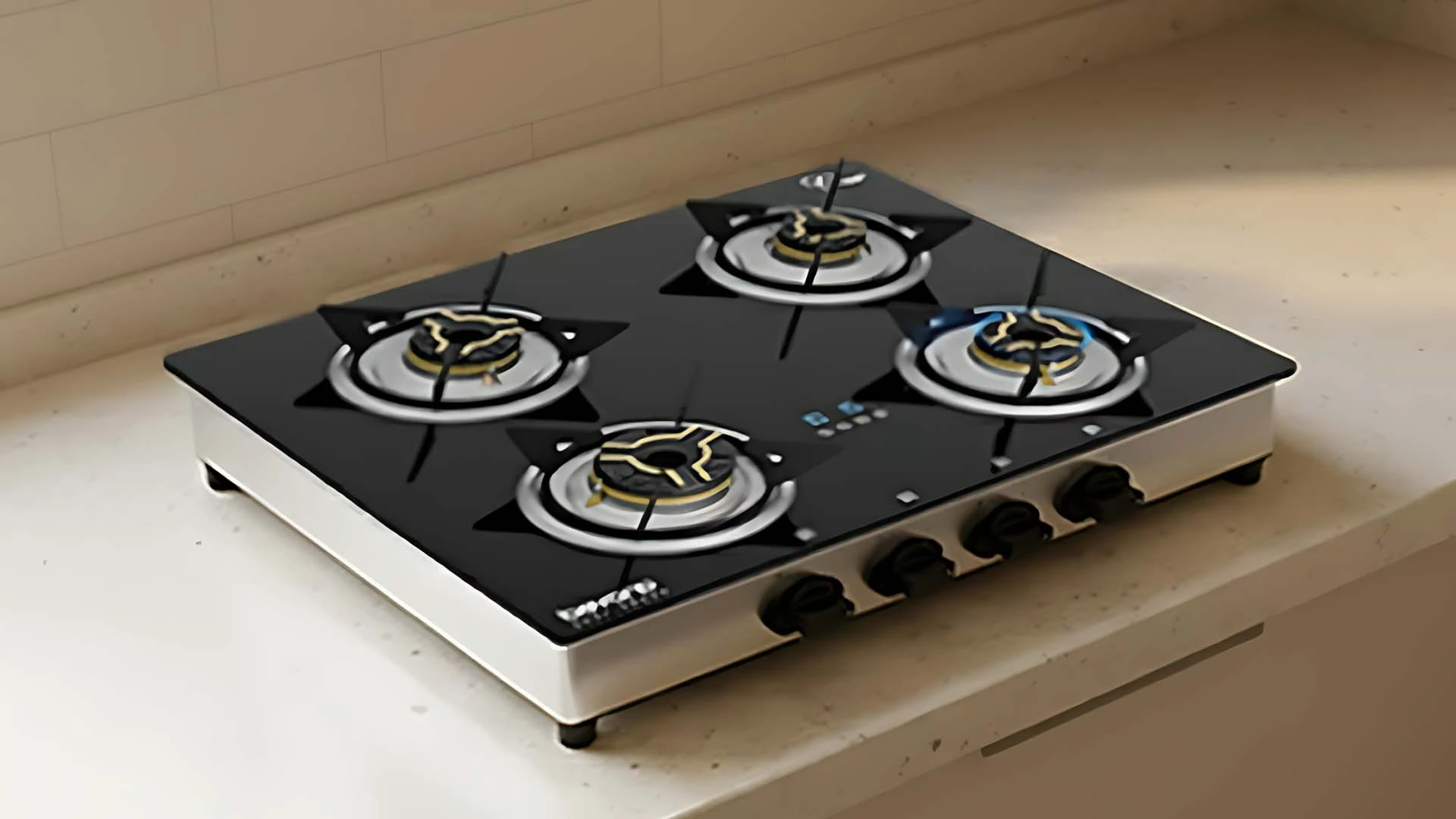
Mastering your cooktop's heat control is essential for achieving perfect cooking results every time. Whether you're working with gas, electric, or induction technology, understanding how to properly adjust and regulate temperature makes the difference between mediocre meals and culinary excellence. Modern cooktops offer sophisticated heat management systems that, when used correctly, provide precise control over your cooking environment. This comprehensive guide will help you understand the nuances of cooktop burner heat control across all major types, ensuring you can cook with confidence and achieve consistent results in your kitchen.
Every cooktop uses a numbering system to indicate heat levels, but these numbers can be confusing without proper context. Most cooktops feature settings from 1 to 10, with each number corresponding to specific temperature ranges that serve different cooking purposes.
Setting 7 on most cooktops corresponds to medium-high heat, typically ranging from 450°F to 500°F. This temperature range is perfect for sautéing vegetables, searing meats, and maintaining active simmering for sauces. Setting 3 represents low-medium heat, usually between 225°F and 275°F, ideal for gentle cooking methods like slow simmering and warming foods without overcooking.
High heat settings (8-10) reach temperatures between 450°F and 650°F, perfect for boiling water quickly, searing proteins, and stir-frying. Medium heat settings (5-7) maintain temperatures from 325°F to 450°F, excellent for sautéing, pan-frying, and maintaining steady simmers. Low heat settings (1-4) operate between 200°F and 325°F, designed for gentle warming, melting, and delicate sauce preparation.
Gas cooktops provide immediate visual feedback through flame size and color, making heat adjustment intuitive once you understand the basics. Proper gas cooktop heat regulation involves more than just turning knobs – it requires understanding flame characteristics and safety protocols.
To adjust gas burners safely, always turn the control knob slowly while observing the flame. A proper flame should be blue with minimal yellow tips, indicating complete combustion and optimal heat transfer. The flame should be steady and evenly distributed around the burner ring. If you notice excessive yellow flames or uneven distribution, your burner may need cleaning or professional adjustment.
Power burners typically deliver 12,000 to 18,000 BTU output, designed for high-heat cooking tasks like boiling large pots of water or searing. Standard burners usually provide 8,000 to 10,000 BTUs for everyday cooking needs. Modern gas cooktops often feature full brass burners that save more gas while providing durable, high-performance heating. These burners are built to last and offer superior heat distribution compared to standard alternatives.
Electric cooktops use different heating mechanisms than gas, requiring specific techniques for optimal temperature control. Understanding how electric heating elements work helps you achieve better cooking results and energy efficiency.
Electric cooktops use infinite heat switches that cycle power on and off to maintain desired temperatures. This cycling creates consistent heat levels once the element reaches operating temperature. Glass-top electric cooktops distribute heat more evenly than traditional coil burners, but both require preheating time to reach optimal cooking temperatures.
Effective electric cooktop heating requires patience during preheating and understanding of the cycling patterns. Start heating elements before you're ready to cook, allowing 3-5 minutes for proper temperature stabilization. Adjust settings gradually, as electric elements respond more slowly than gas flames. For energy-efficient cooking, match cookware size to element size and use flat-bottomed pans for maximum heat transfer.
Induction technology offers the most precise temperature control cooktop experience available today. These systems use electromagnetic fields to heat cookware directly, providing instant heat adjustment and superior energy efficiency.
Induction cooktop power levels typically range from 1 to 15, with each level corresponding to specific wattage outputs. Lower levels (1-3) provide gentle warming around 100-200°F, while higher levels (12-15) can exceed 500°F for rapid boiling and searing. Many induction cooktops feature dual burner setups, allowing you to cook at high heat on one zone while finishing dishes at lower temperatures on another.
For optimal results, use magnetic cookware with flat bottoms that match burner sizes. Induction cooktops respond instantly to power level changes, making them ideal for techniques requiring precise temperature control. The energy efficiency of induction heating means less heat loss to the surrounding kitchen environment, keeping your cooking area cooler during extended cooking sessions.
Proper simmering technique is crucial for sauces, stews, and delicate preparations. Understanding your cooktop's simmer setting capabilities ensures consistent results for low-heat cooking methods.
The ideal cooktop simmer setting maintains gentle bubbling without vigorous boiling. For gas cooktops, this usually means the lowest stable flame setting. Electric cooktops typically require setting 2-3 for proper simmering, while induction cooktops offer precise low-power settings that maintain exact temperatures. Look for occasional small bubbles breaking the surface – this indicates proper simmering temperature.
Preventing scorching on lowest settings requires proper cookware selection and occasional stirring. Heavy-bottomed pans distribute heat more evenly, reducing hot spots that cause burning. For melting chocolate or butter, use the lowest possible setting and consider using a double-boiler method for extra protection against overheating.
Professional cooking techniques can be adapted for home kitchens with proper understanding of heat control principles. These methods help you achieve restaurant-quality results using standard home equipment.
Zone cooking involves using multiple burners at different temperatures simultaneously. Start proteins on high heat for searing, then move to lower heat for finishing. Use larger burners for tasks requiring quick heat-up times and smaller burners for maintaining steady temperatures. This approach maximizes efficiency and allows complex meal preparation with precise timing.
Cookware material significantly impacts heat distribution and control. Stainless steel provides even heating but requires proper preheating. Cast iron retains heat excellently but heats slowly. Aluminum heats quickly but may create hot spots. Match your cookware to your cooking method – heavy pans for slow cooking, lighter pans for quick sautéing.
Regular maintenance ensures your cooktop continues providing reliable heat control throughout its lifespan. Understanding common issues helps you identify when professional service might be needed.
Uneven heating often results from dirty burners or misaligned cookware. Clean gas burner ports regularly to maintain proper flame distribution. For electric cooktops, ensure heating elements sit flat and make proper contact. Temperature fluctuations may indicate worn control switches or thermostats requiring professional replacement.
Clean spills immediately to prevent buildup that affects heat efficiency. For gas cooktops, remove burner grates and caps for thorough cleaning monthly. Electric cooktop surfaces should be cleaned with appropriate cleaners to maintain heat transfer efficiency. Regular professional maintenance extends cooktop lifespan and ensures optimal performance.
Setting 7 on most cooktops corresponds to medium-high heat, typically ranging from 450°F to 500°F. This temperature is ideal for sautéing vegetables, searing meats, and maintaining active simmering for sauces and stews.
Use the digital control panel to set power levels, with most induction cooktops offering 9-15 power levels for precise temperature control from 100°F to 500°F+. Touch the power level buttons to increase or decrease heat instantly.
Gas provides instant, visual heat adjustment with immediate response when you turn the control knob. Electric cooktops offer more consistent temperatures once heated but require preheating time and respond more slowly to adjustments.
Signs include inconsistent temperatures, inability to reach desired heat levels, control knobs that don't respond properly to adjustments, or burners that won't ignite or maintain steady flames on gas models.
Match burner size to cookware size, use appropriate heat levels for specific cooking tasks, allow proper preheating time for consistent results, and maintain clean burners for optimal heat transfer efficiency.
Mastering cooktop burner heat control transforms your cooking experience from guesswork to precision. Understanding the specific characteristics of your cooktop type – whether gas, electric, or induction – allows you to leverage each technology's strengths for optimal results. Regular maintenance and proper technique ensure consistent performance and extend your cooktop's lifespan. With practice and attention to detail, you'll develop the skills needed to achieve professional-quality results in your home kitchen, making every meal a success through proper temperature management and heat control techniques.
