

Cooktop Burner Efficiency: Your Complete Guide
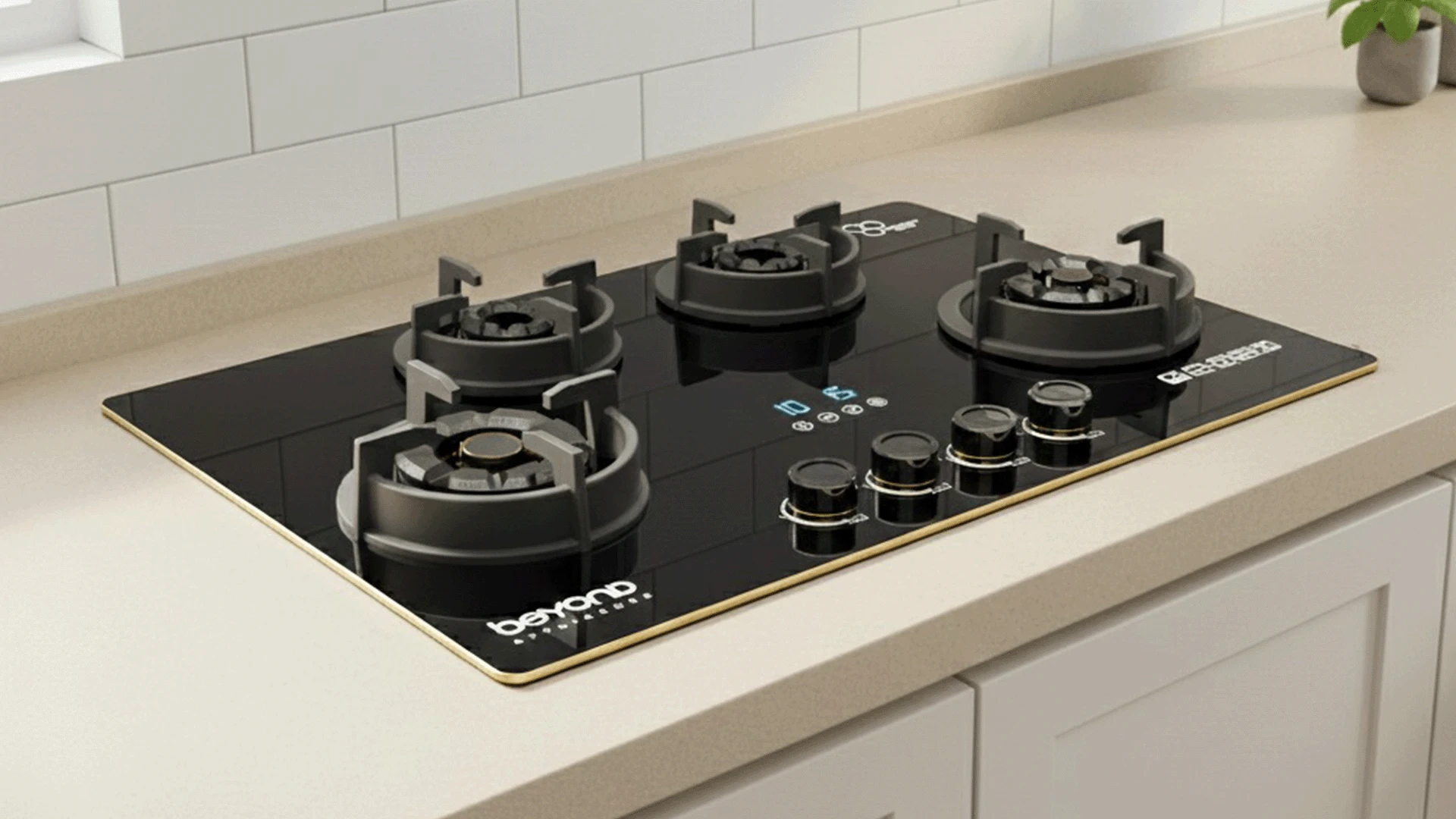
Understanding cooktop burner efficiency explained can transform your cooking experience while reducing energy costs. Modern kitchens demand appliances that deliver exceptional performance without wasting energy. Whether you're upgrading your kitchen or simply want to optimize your current setup, knowing how different cooktop technologies compare helps you make informed decisions. The efficiency of your cooktop directly impacts cooking speed, energy bills, and environmental footprint. From traditional gas burners to cutting-edge induction technology, each cooking method offers distinct advantages and limitations that affect overall kitchen performance.
Cooktop efficiency measures how effectively your appliance converts energy into useful heat for cooking. This metric represents the percentage of energy that actually reaches your cookware versus energy lost to the surrounding environment. Higher efficiency means faster cooking times, lower energy bills, and reduced environmental impact. Thermal efficiency percentages vary significantly across different cooktop technologies. Gas cooktops typically achieve 32-55% efficiency, while electric models reach 65-80%. Induction cooktops lead the pack with impressive 85-90% efficiency ratings. These differences translate into real-world benefits for your kitchen operations.
Heat transfer rates determine how quickly your cookware reaches desired temperatures. Burner heat output specifications, measured in BTUs for gas or watts for electric models, indicate maximum power delivery. However, raw power doesn't always equal efficiency.
Energy consumption directly affects your monthly utility bills. An efficient cooktop can reduce cooking-related energy costs by 20-40% compared to older, less efficient models. These savings accumulate significantly over the appliance's lifespan.
Gas cooktop efficiency ranges from 32-55% in most residential models, with newer designs achieving up to 65% efficiency. Gas burners provide instant heat control and visual flame feedback, making them popular among cooking enthusiasts. However, significant energy loss occurs through ambient heat dissipation. Direct flame heating offers immediate temperature adjustments but loses considerable energy to surrounding air. Proper burner design with optimized flame distribution patterns can improve heat transfer efficiency. Modern gas burners feature enhanced combustion chambers and improved air-to-gas ratios for better performance.
BTU ratings indicate maximum heat output potential, but higher BTUs don't guarantee better efficiency. Flame distribution patterns affect how evenly heat reaches cookware surfaces. Well-designed burners create multiple flame rings for uniform heating.
Proper flame adjustment ensures optimal fuel consumption. Blue flames indicate complete combustion and maximum efficiency, while yellow flames suggest incomplete burning and energy waste. Matching cookware size to burner diameter prevents heat loss around pan edges.
Electric cooktop efficiency typically ranges from 65-80%, significantly higher than gas alternatives. Electric resistance heating converts electricity directly into thermal energy with minimal losses. However, heating and cooling cycles affect overall performance and energy consumption patterns. Coil burners provide direct contact heating but suffer from uneven temperature distribution. Heat retention in coil elements continues cooking even after power reduction, requiring adjustment in cooking techniques. Smoothtop ceramic surfaces offer better heat distribution but may have slower response times.
Cooktop energy consumption varies based on heating cycles and temperature maintenance requirements. Electric models consume power continuously during operation, unlike gas burners that adjust fuel flow instantly. Understanding these patterns helps optimize cooking schedules and energy usage.
Radiant heat transfer in smoothtop models provides more even cooking surfaces. Ceramic glass surfaces distribute heat uniformly across cookware bottoms, improving overall cooking performance. Proper cookware selection enhances heat transfer efficiency significantly.
Induction cooktop efficiency leads all cooking technologies with 85-90% thermal efficiency ratings. Electromagnetic heating technology directly heats compatible cookware through magnetic field induction, eliminating energy losses associated with traditional heating methods. This revolutionary approach delivers superior performance while minimizing environmental impact. Electromagnetic fields generate heat directly within ferromagnetic cookware, creating instant and precise temperature control. No ambient heat loss occurs since the cooktop surface remains relatively cool during operation. This safety feature also contributes to overall energy efficiency.
Induction technology consumes approximately 10% less energy than electric resistance cooktops and three times less than gas alternatives for equivalent cooking tasks. Instant temperature response eliminates preheating requirements, further reducing energy consumption.
Immediate temperature adjustments allow precise cooking control without energy waste. Power levels adjust instantly, unlike traditional electric elements that require heating and cooling cycles. This responsiveness improves both cooking results and energy efficiency.
Cooking appliance efficiency comparisons reveal significant differences across technologies. Side-by-side testing shows induction cooktops consistently outperform alternatives in both speed and energy consumption. Gas cooktops excel in instant heat adjustment but lose efficiency through ambient heat loss. Cooking time analysis demonstrates induction's superiority in rapid heating tasks. Boiling water tests show induction cooktops completing tasks 25-50% faster than gas or electric alternatives. However, gas maintains advantages in high-heat cooking techniques like wok cooking or flame-searing.
Utility rate calculations show varying costs per cooking session depending on local energy prices. Electric and induction cooktops benefit from lower electricity rates in many regions, while gas remains cost-effective where natural gas prices stay low.
Heavy cooking households benefit most from efficient cooktop technologies. Annual energy savings can reach INR 3,000-8,000 depending on usage patterns and local utility rates. Light cooking households see proportionally smaller but still meaningful savings.
Efficient cooking practices can improve any cooktop's performance regardless of technology. Proper cookware selection significantly impacts heat transfer efficiency. Flat-bottomed pans with appropriate sizing ensure optimal energy utilization across all cooktop types. Cookware material affects heat distribution and retention properties. Heavy-bottomed pans provide even heating and reduce hot spots. For induction cooktops, magnetic cookware compatibility is essential for operation.
Matching pan size to burner efficiency prevents energy waste around cookware edges. Oversized burners waste energy heating surrounding air, while undersized burners create uneven heating patterns. Proper sizing improves both efficiency and cooking results.
Regular cleaning maintains optimal heat transfer between cooktop surfaces and cookware. Buildup on electric elements or gas burner ports reduces efficiency and creates safety hazards. Professional calibration ensures accurate temperature control and optimal fuel consumption.
Lid usage during appropriate cooking stages reduces energy requirements by 25-30%. Proper temperature management prevents energy waste from excessive heat levels. Batch cooking and heat retention techniques maximize energy utilization efficiency.
Conventional gas cooktops achieve 32-55% efficiency, electric resistance cooktops reach 65-80%, while induction cooktops deliver 85-90% efficiency through electromagnetic heating technology.
Thermal efficiency measures energy transfer from the appliance to cookware. Induction leads at 85-90%, followed by electric at 65-80%, and gas at 32-55%. Higher efficiency means more energy reaches your food and less is wasted.
Induction cooktops are the most energy efficient cooktops, offering fastest cooking times and zero energy use when no cookware is present. They consume 50% less energy than gas and 10% less than electric resistance models.
A typical 2-burner gas stove uses approximately 0.30 kg of gas per hour when both burners operate simultaneously at full capacity. Actual consumption varies based on flame settings and cooking requirements.
Proper cookware matching can improve efficiency by 15-25% through better heat transfer and reduced energy loss. Flat-bottomed pans with appropriate sizing ensure optimal energy utilization across all cooktop types.
Yes, modern gas burners achieve up to 65% efficiency compared to older models at approximately 45%. Newer induction and electric models also show improvements in energy consumption and heat transfer efficiency.
Understanding cooktop burner efficiency explained empowers you to make informed appliance decisions that benefit both your wallet and the environment. Induction technology leads in efficiency and performance, while gas cooktops offer instant control and traditional cooking experiences. Electric models provide reliable middle-ground performance with steady heat distribution. Choosing the right cooktop technology depends on your cooking style, energy costs, and performance priorities. Regardless of your choice, proper cookware selection and cooking techniques can significantly improve any cooktop's efficiency. Regular maintenance ensures optimal performance throughout your appliance's lifespan, maximizing your investment in modern kitchen technology.
