

Chimney Motor Troubleshooting: Essential Guide
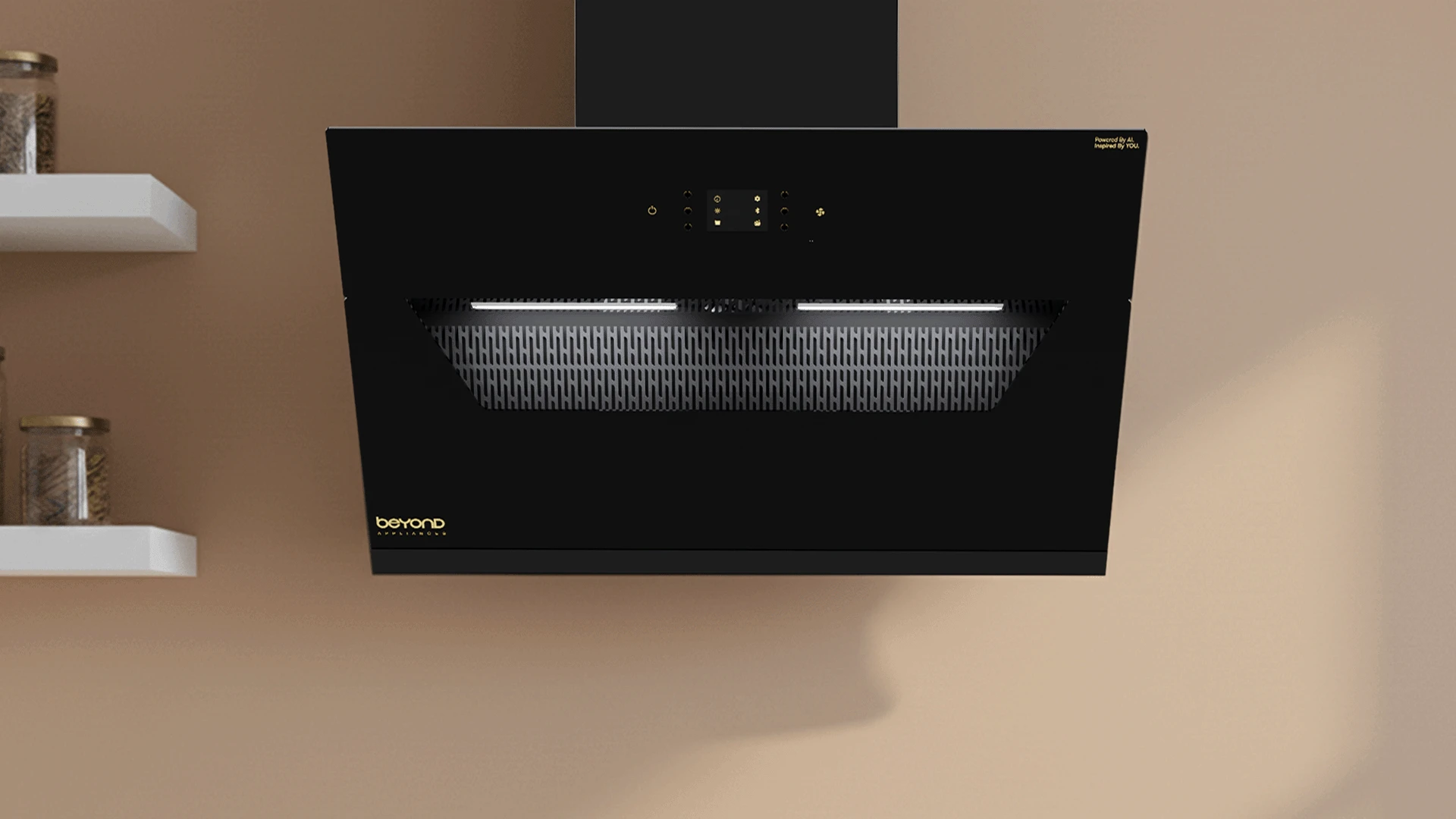
Kitchen chimneys have become essential appliances in modern Indian homes, efficiently removing smoke, grease, and odors from cooking areas. However, like any mechanical device, chimney motors can develop issues over time that affect their performance. Understanding what to check in your chimney motor can save you time, money, and ensure your kitchen ventilation system operates at peak efficiency. Regular motor inspection and maintenance help prevent costly repairs while maintaining optimal air quality in your cooking space.
Kitchen chimney motors are the heart of your ventilation system, responsible for creating the suction power that removes smoke and odors from your cooking area. These motors typically fall into two main categories: centrifugal motors and axial flow motors, each designed for specific performance requirements.
Chimney motors work by creating negative pressure inside the hood, drawing air through filters and expelling it outside through ducts. The motor drives fan blades that generate this airflow, with modern systems offering suction capacities ranging from 600 to over 1400 CMH (Cubic Meters per Hour). Advanced models feature motion sensor control that allows hands-free operation and auto turn-off timers for convenient usage.
The main components include the motor housing, fan blades, electrical connections, and control circuits. Some premium models incorporate dual Bluetooth speakers and FM radio functionality, requiring additional electrical components that need regular inspection. The motor housing protects internal components while fan blades create the necessary airflow for effective ventilation.
Recognizing early warning signs of motor problems can prevent complete system failure and expensive repairs. Motor issues often manifest through changes in sound, performance, or physical symptoms that indicate internal component wear or damage.
Healthy chimney motors operate with minimal noise, producing only a gentle humming sound. Grinding noises indicate bearing wear, while squealing sounds suggest belt or bearing lubrication issues. Rattling noises often point to loose fan blades or motor mounting problems that require immediate attention.
Weak suction power is a primary indicator of motor problems or system blockages. If your chimney struggles to clear smoke effectively, even with clean filters, the motor may be losing efficiency. This issue becomes particularly noticeable during heavy cooking when the system should operate at maximum capacity.
Excessive vibration during operation indicates motor imbalance or mounting issues. Motor overheating symptoms include hot surfaces, burning smells, or automatic shutdowns. These signs require immediate attention as continued operation can cause permanent motor damage.
Regular motor inspection helps identify potential issues before they become major problems. Following a systematic approach ensures thorough examination of all critical components while maintaining safety standards.
Before beginning any inspection, disconnect power to the chimney at the main electrical panel. Allow the motor to cool completely if it was recently operating. Use appropriate tools and ensure stable ladder placement when accessing overhead components.
Examine the motor housing for cracks, corrosion, or oil leaks that indicate internal problems. Check electrical connections for loose wires, burnt terminals, or damaged insulation. Inspect fan blades for damage, debris accumulation, or improper alignment that affects performance.
Using a multimeter, test voltage at motor terminals to ensure proper electrical supply. Check continuity in motor windings and verify ground connections are secure. Examine control circuits, especially in models with AI whistle counter or button control display screen features.
Many chimney motor issues can be resolved with basic troubleshooting techniques and simple repairs. Understanding common problems helps determine whether professional service is necessary or if DIY solutions are appropriate.
When motors fail to start, check electrical connections first. Verify circuit breakers haven't tripped and examine the control switch for proper operation. In models with motion sensor control, ensure sensors are clean and properly calibrated for reliable activation.
Weak suction often results from blocked ducts, dirty filters, or fan blade issues. Clean or replace filters regularly, especially in filterless models that rely on dry heat auto clean technology. Check ductwork for obstructions and ensure proper ventilation pathways.
Lubricate motor bearings according to manufacturer specifications to reduce noise. Tighten loose mounting bolts and balance fan blades to minimize vibration. Replace worn bearings or damaged fan components as needed for smooth operation.
Determining when to attempt repairs yourself versus calling professionals depends on the complexity of the issue and your technical expertise. Some maintenance tasks are suitable for homeowners, while others require specialized knowledge and tools.
Basic cleaning, filter replacement, and simple electrical checks can be performed safely by homeowners. Lubricating accessible bearings and tightening loose connections are also appropriate DIY tasks when proper safety precautions are followed.
Motor replacement, complex electrical repairs, and internal component replacement require professional expertise. Issues with advanced features like dual Bluetooth speakers or FM radio functionality often need specialized diagnostic equipment and technical knowledge.
Regular maintenance extends motor life and ensures consistent performance throughout your chimney's operational lifetime. Establishing a maintenance schedule prevents minor issues from developing into major problems. Clean motor housing and fan blades monthly to prevent grease accumulation that can cause imbalance and overheating. Check electrical connections quarterly and lubricate bearings according to manufacturer recommendations. Monitor performance regularly, noting any changes in suction power or operating noise that might indicate developing problems.
Inspect your chimney motor monthly for basic cleaning and quarterly for detailed examination. Check electrical connections and lubrication points every three months, or more frequently with heavy cooking usage.
Poor maintenance, excessive grease accumulation, electrical issues, and overloading are primary causes of premature motor failure. Operating the chimney without proper ventilation or with blocked ducts also reduces motor lifespan significantly.
Motor replacement requires electrical knowledge and proper tools. While technically possible for experienced DIYers, professional installation ensures safety, proper wiring, and warranty coverage. Complex models with features like AI whistle counter require specialized expertise.
Call professionals for electrical issues, internal component failures, or when basic troubleshooting doesn't resolve problems. Burning smells, frequent circuit breaker trips, or complete motor failure require immediate professional attention.
Quality chimney motors typically last 8-12 years with proper maintenance. Factors affecting lifespan include usage frequency, maintenance quality, cooking habits, and environmental conditions in your kitchen.
Regular chimney motor inspection and maintenance are essential for optimal kitchen ventilation performance. Understanding what to check in your chimney motor helps identify problems early, potentially saving significant repair costs. While basic maintenance can be performed by homeowners, complex repairs require professional expertise to ensure safety and proper operation. Establishing a regular maintenance schedule and recognizing warning signs of motor problems will keep your kitchen chimney operating efficiently for years to come.
