

Chimney Impact on Indoor Air: Complete Guide
Your home's air quality depends heavily on how well your chimney systems work. Many homeowners don't realize that chimneys affect more than just smoke removal. They play a crucial role in your home's overall ventilation and can either improve or worsen indoor air pollution. From kitchen cooking fumes to fireplace emissions, understanding chimney impact on indoor air quality helps you make better decisions for your family's health. Poor chimney performance can lead to backdrafts, carbon monoxide buildup, and trapped pollutants that circulate throughout your living spaces.
The chimney effect indoor air works through a natural process called the stack effect. This happens when warm air rises through your chimney, creating a pressure difference that pulls fresh air into your home from lower levels. Your chimney acts like a giant straw, drawing air upward and out of your house. This chimney draft effect depends on several factors. Temperature differences between indoor and outdoor air drive the process. The taller your chimney, the stronger the draft becomes. During winter months, when indoor air is much warmer than outside air, the draft effect increases significantly.
When your chimney creates an upward draft, it lowers air pressure at the bottom of the chimney. This pressure drop pulls air from your living spaces into the chimney system. Fresh outdoor air then enters through windows, doors, and small gaps to replace the air that escaped.
Summer months can reverse the chimney effect. When outdoor air is hotter than indoor air, the natural draft weakens or even reverses. This can cause downdrafts that push smoke and fumes back into your home instead of removing them.
Wood-burning fireplaces release numerous pollutants that affect fireplace air quality. These include fine particles (PM2.5), carbon monoxide, nitrogen oxides, and volatile organic compounds. Even with a properly functioning chimney, some of these pollutants can escape into your living space. Wood stove air quality concerns are similar but often more concentrated. Wood stoves burn hotter and more efficiently than open fireplaces, but they still produce harmful emissions. Creosote buildup in chimneys can release toxic particles back into your home over time.
• PM2.5 particles: These tiny particles penetrate deep into lungs and can cause respiratory problems • Carbon monoxide: An odorless, colorless gas that can be deadly in high concentrations • Creosote vapors: Tar-like substances that can cause breathing difficulties • Nitrogen oxides: Gases that contribute to indoor smog formation
Gas fireplaces produce fewer particles than wood-burning units, but they still generate carbon monoxide and nitrogen oxides. Proper ventilation remains essential for maintaining good indoor air quality with any type of fireplace.
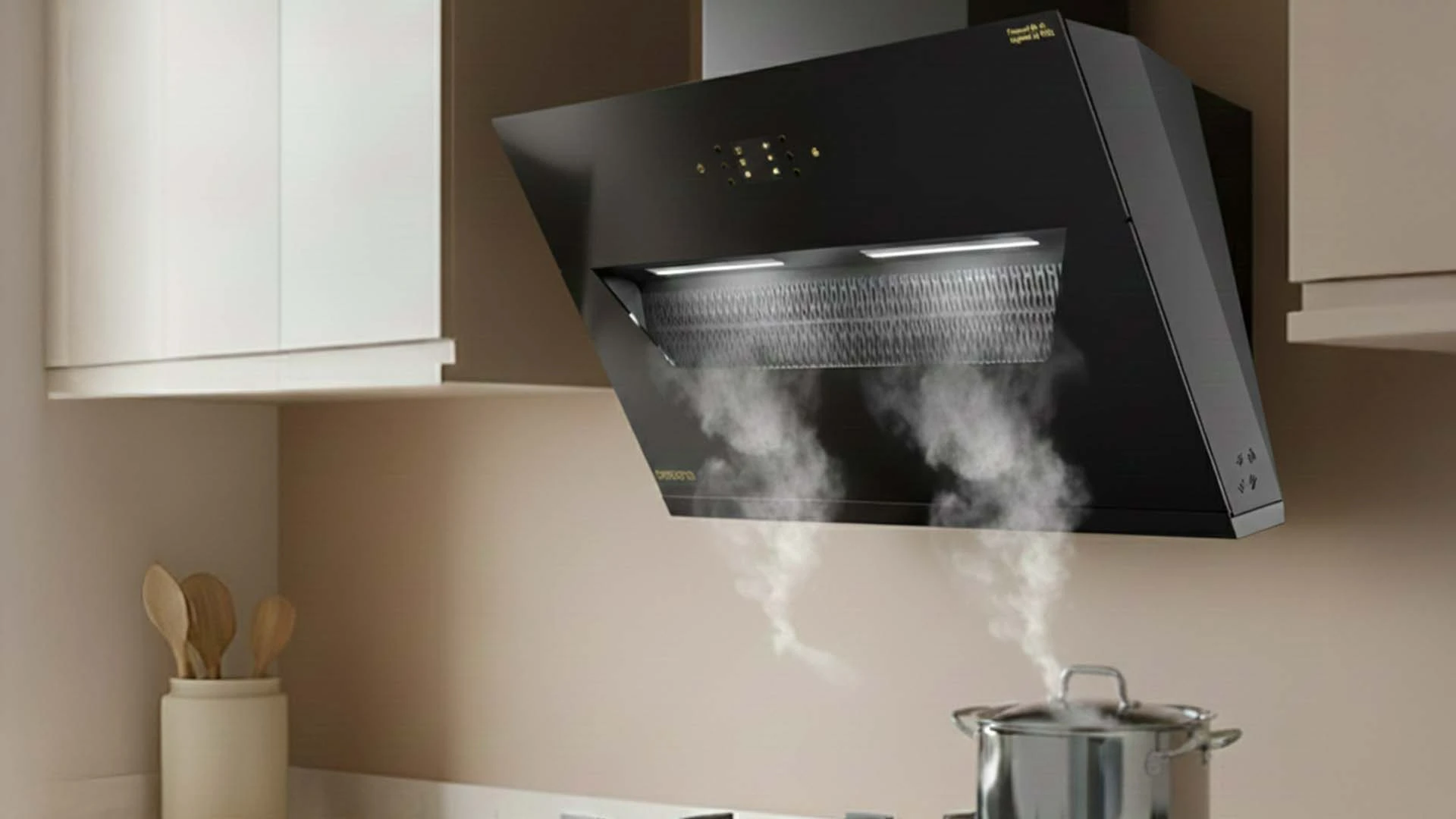
Kitchen chimneys play a vital role in removing cooking fumes chimney systems handle daily. Every time you cook, you release grease particles, smoke, steam, and odors into your kitchen air quality environment. Without proper ventilation, these pollutants accumulate and spread throughout your home. Modern kitchen chimneys come in several designs to address different ventilation needs. T-shaped chimneys work well for island cooktops, while curved chimneys fit beautifully in contemporary kitchen designs. Slant or inclined chimneys maximize capture efficiency for wall-mounted installations.
Ducted chimneys remove pollutants completely by venting them outside your home. They provide superior air quality improvement but require external venting infrastructure. Ductless chimneys filter air and recirculate it back into your kitchen. While convenient to install, they're less effective at removing moisture and odors.
Your chimney's cubic feet per minute (CFM) rating determines how much air it can move. For gas cooktops, you need about 100 CFM per linear foot of cooking surface. Electric cooktops require slightly less, around 75 CFM per linear foot. High-heat cooking methods like wok cooking may need 150-200 CFM per linear foot.
Indoor air pollution chimney issues often stem from maintenance problems or design flaws. Chimney backdraft health risks occur when outdoor air pressure forces smoke and fumes back down your chimney instead of allowing them to escape upward. Backdrafts happen for several reasons. Strong winds can create downdrafts that overpower your chimney's natural draft. Blocked or partially blocked chimneys can't maintain proper airflow. Sometimes, exhaust fans in other parts of your home create negative pressure that interferes with chimney operation.
• Smoke entering your room instead of going up the chimney • Persistent odors from your fireplace even when not in use • White staining on the outside of your chimney (efflorescence) • Rust on your damper or firebox • Animals or birds in your chimney
Carbon monoxide poisoning is the most serious immediate risk. Symptoms include headaches, dizziness, nausea, and confusion. Long-term exposure to fireplace pollutants can worsen asthma, cause respiratory infections, and increase cardiovascular disease risk.
Home ventilation chimney systems work best when integrated with your overall HVAC strategy. Modern homes are built more airtight than older homes, which can interfere with natural chimney draft. Mechanical ventilation systems can either help or hinder chimney performance depending on how they're designed. Smart home integration allows you to coordinate your chimney operation with other ventilation systems. Some advanced kitchen chimneys can automatically adjust their speed based on cooking activity or air quality sensors.
The key is creating a balanced system where mechanical ventilation doesn't fight against natural chimney draft. This might involve installing makeup air systems that provide fresh air when exhaust systems operate.
Regular maintenance keeps your chimney working efficiently and safely. Annual professional inspections catch problems before they affect your indoor air quality. Cleaning removes creosote buildup, animal nests, and debris that can block proper airflow. DIY monitoring helps you track your chimney's performance between professional visits. Carbon monoxide detectors near fireplaces provide early warning of problems. Visual inspections of your chimney exterior can reveal damage that affects draft performance.
Leave chimney cleaning and major repairs to certified professionals. They have the tools and expertise to work safely at height and handle toxic creosote. You can handle basic tasks like checking damper operation and monitoring for obvious problems.
Chimneys themselves don't cause pollution, but they can allow pollutants into your home if not properly maintained. Blocked or damaged chimneys can't remove smoke and fumes effectively, leading to indoor air quality problems.
Poorly maintained chimneys can create backdrafts that push pollutants into your home. They can also create unwanted air leaks that affect your home's energy efficiency. In summer, chimneys may allow hot outdoor air to enter your home.
This safety rule states that your chimney should extend at least 3 feet above the roof penetration point, 2 feet above any roof structure within 10 feet horizontally. This height ensures proper draft and prevents downdrafts that could affect air quality.
Chimneys can provide some room ventilation through the stack effect, but they're not designed as primary ventilation systems. They work best for removing specific pollutants like smoke and cooking fumes rather than providing general air circulation.
Fireplace chimneys need annual cleaning if used regularly. Kitchen chimneys should be cleaned every 3-6 months depending on cooking frequency. Heavy cooking with lots of grease may require more frequent cleaning.
Yes, dirty chimneys can cause health problems. Creosote buildup releases toxic particles, blocked chimneys can cause carbon monoxide poisoning, and poor ventilation allows cooking fumes and smoke to accumulate indoors.
Watch for smoke entering your room, persistent odors, condensation problems, and soot deposits around your fireplace or cooking area. These indicate your chimney isn't removing pollutants effectively.
Use carbon monoxide detectors near your fireplace and consider purchasing a particle counter to measure PM2.5 levels. Professional air quality testing can provide comprehensive analysis of pollutants in your home.
Chimney impact on indoor air quality affects every aspect of your home environment. Proper maintenance, appropriate sizing, and regular monitoring ensure your chimneys protect rather than compromise your family's health. Whether you're dealing with fireplace emissions or kitchen cooking fumes, understanding how chimneys work helps you make informed decisions about your home's air quality systems.
