

Brass vs Forged Brass Burners: Complete Guide
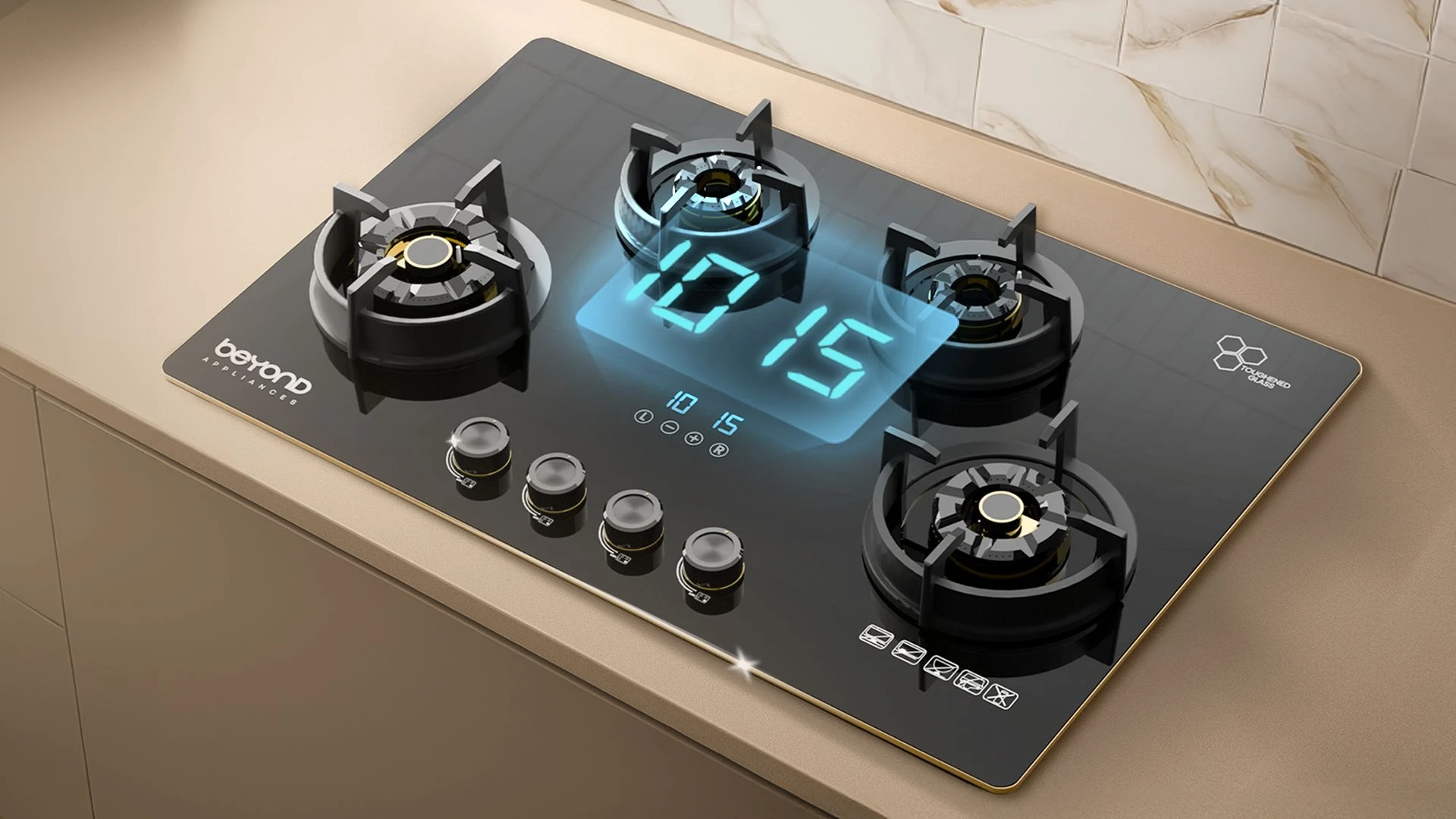
When choosing the perfect cooktop for your kitchen, understanding the differences between brass and forged brass burners can make all the difference in your cooking experience. These two burner materials represent different manufacturing approaches, each offering unique benefits for modern kitchens. Whether you're upgrading your existing gas stove or selecting burners for a new cooktop installation, knowing how these materials compare will help you make an informed decision that suits your cooking style and budget.
Brass burners are made from an alloy combining copper and zinc, creating a material known for excellent heat conduction and corrosion resistance. These brass burners have become popular in modern kitchens due to their reliable performance and attractive appearance. The manufacturing process involves casting molten brass into burner shapes, then machining them to precise specifications. This creates burners with consistent flame patterns and reliable gas flow. The copper content in brass provides superior heat distribution compared to many other metals, while zinc adds durability and helps prevent corrosion.
Brass naturally conducts heat evenly across its surface. This means your cookware heats uniformly, reducing hot spots that can burn food. The material responds quickly to gas flow adjustments, giving you better temperature control while cooking.
These burners work well for everyday cooking tasks like boiling, sautéing, and simmering. They're compatible with most gas cooktops and provide consistent performance for both quick meals and elaborate dishes.
Forged brass burners represent a premium manufacturing approach that creates superior strength and performance. Unlike cast brass, forging involves shaping heated brass under extreme pressure, compressing the metal's grain structure. This forging process eliminates air pockets and weak points that can develop in cast metals. The result is a denser, stronger burner that maintains its shape and performance characteristics over many years of use. The compressed grain structure also improves heat transfer efficiency.
Forged brass burners resist warping even under high heat conditions. The forging process creates internal stress patterns that actually strengthen the metal, making it less likely to crack or develop weak spots over time.
The dense structure of forged brass holds heat longer than cast alternatives. This means more consistent cooking temperatures and better energy efficiency, as the burner maintains heat even when gas flow fluctuates slightly.
Understanding the practical differences between these burner materials helps you choose the right option for your cooking needs. Each type offers distinct advantages depending on your priorities and budget.
Forged brass burners typically last 20-30% longer than standard brass versions. The forging process creates a more robust structure that resists thermal stress and mechanical wear. Standard brass burners still offer good durability but may show signs of wear sooner under heavy use.
Both materials provide excellent heat distribution, but forged brass offers slightly better thermal efficiency. The denser structure transfers heat more effectively, potentially reducing cooking times and gas consumption. Standard brass burners still deliver reliable performance for most cooking tasks.
Both burner types require similar cleaning and care. However, forged brass burners maintain their appearance longer and resist staining better than standard brass. Regular cleaning with mild soap and water keeps both types functioning optimally.
Forged brass burners typically cost 30-50% more than standard brass options. However, their longer lifespan and better efficiency can offset the higher initial investment over time. Standard brass burners offer good value for moderate cooking needs.
When comparing high performance burners, several factors determine which material suits your cooking style best. Both brass and forged brass offer advantages over basic steel or aluminum alternatives. Forged brass burners excel in professional-style cooking environments where consistent high heat is essential. Their superior heat retention makes them ideal for techniques like stir-frying or searing that require sustained high temperatures.
Both materials create even flame patterns, but forged brass maintains more consistent heat across the burner surface. This reduces hot spots and provides more predictable cooking results, especially important for delicate sauces or precise temperature control.
Standard brass burners respond quickly to gas flow changes, making them excellent for everyday cooking. Forged brass burners have slightly slower response times due to their thermal mass, but this actually helps maintain steady temperatures during cooking.
Forged brass burners typically use 5-10% less gas than standard brass due to their superior heat transfer properties. This efficiency improvement becomes more noticeable with frequent cooking and higher gas prices.
Proper care extends the life of both brass burners and forged alternatives significantly. Understanding maintenance requirements helps you protect your investment and ensure optimal performance. Both materials resist corrosion better than steel alternatives, but they require regular cleaning to prevent buildup of cooking residues. The brass alloy naturally resists oxidation, maintaining its appearance with minimal care.
Use warm soapy water and soft brushes to clean brass burners. Avoid abrasive cleaners that can scratch the surface. For stubborn stains, a paste of baking soda and water works effectively without damaging the metal.
Both burner types may develop slight discoloration over time, which is normal and doesn't affect performance. Forged brass burners maintain their structural integrity longer, while standard brass may show minor warping after several years of heavy use.
Replace burners when flame patterns become uneven, gas flow seems restricted, or visible cracks appear. Forged brass burners typically need replacement less frequently due to their enhanced durability.
Selecting between brass and forged brass depends on your cooking habits, budget, and performance expectations. Consider how often you cook, what types of dishes you prepare, and your long-term kitchen plans. For frequent cooks who use high heat regularly, forged brass burners provide better value despite higher upfront costs. Their durability and efficiency improvements justify the investment for serious home cooks.
Standard brass burners work well for moderate cooking needs and tighter budgets. They still offer significant advantages over basic steel burners while keeping costs reasonable. Consider your cooking frequency when making this decision.
Both materials complement modern kitchen designs well. Their attractive appearance and professional performance make them suitable for open kitchen layouts where the cooktop is visible to guests.
Forged brass burners provide better durability and efficiency, making them worthwhile for frequent cooks or those planning to stay in their homes long-term. The improved performance and longevity often justify the higher initial investment.
Standard brass burners last 8-12 years with regular use, while forged brass burners can last 15-20 years or more. Proper maintenance extends the life of both types significantly.
Many cooktops allow burner upgrades, but compatibility depends on your specific model. Check with your appliance manufacturer or a qualified technician to determine upgrade options.
Regular cleaning after use, periodic deep cleaning with appropriate cleaners, and prompt attention to any gas flow issues keep both burner types performing well. Avoid harsh chemicals that can damage the brass surface.
Brass burners work excellently with natural gas and propane. Some models can be converted between fuel types with appropriate conversion kits, but always consult a qualified technician for fuel conversions.
Brass offers better heat conduction and corrosion resistance than stainless steel. While stainless steel may cost less initially, brass burners typically provide better cooking performance and longer service life.
Choosing between brass and forged brass burners depends on balancing performance needs with budget considerations. Both materials offer significant advantages over basic alternatives, providing better heat distribution, durability, and cooking control. Forged brass represents the premium choice for serious cooks, while standard brass burners deliver excellent value for most kitchen needs. Consider your cooking habits, budget, and long-term plans when making this important decision for your kitchen upgrade.
