

Auto-Clean vs Manual Filter: Chimney Showdown
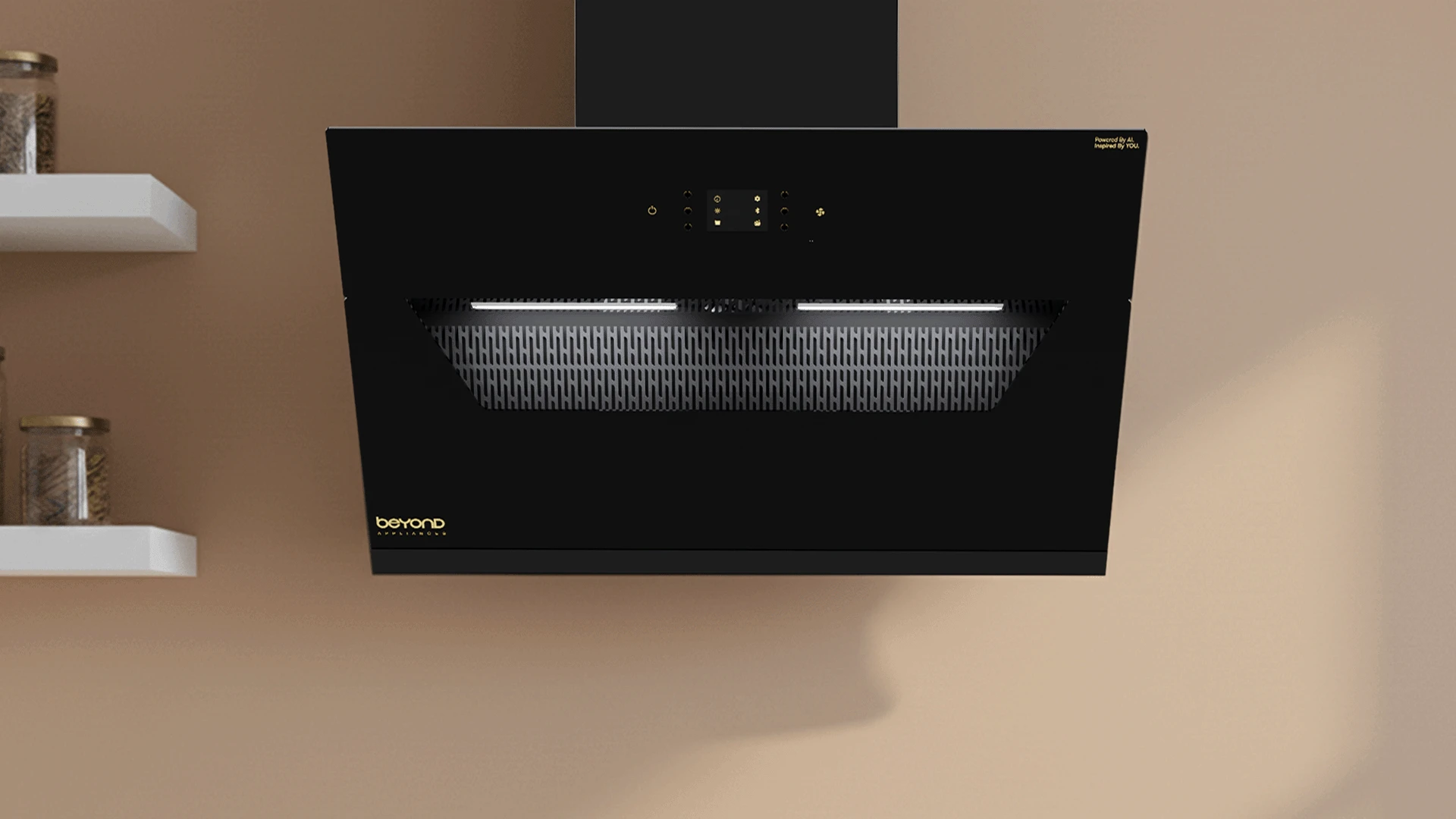
Choosing the right kitchen chimney can feel overwhelming, especially when deciding between auto-clean and manual filter systems. With Indian kitchens producing heavy smoke and grease from daily cooking, having an efficient ventilation system isn't just a luxury—it's essential. The comparison chimney auto-clean vs manual filter debate has intensified as more homeowners seek convenient yet effective solutions. Both systems promise to keep your kitchen fresh and clean, but they work differently and suit different needs. Understanding these differences will help you make an informed decision that matches your cooking habits, budget, and maintenance preferences.
Modern kitchen chimney types have evolved significantly to address the unique challenges of Indian cooking. The two primary categories—auto-clean and manual filter systems—represent different approaches to smoke extraction and grease management.
An auto clean chimney uses advanced heat-based technology to separate oil and grease particles from cooking fumes. This filterless chimney system operates without traditional filters, instead relying on centrifugal force and thermal separation. The collected oil drips into a removable collection cup, making maintenance incredibly simple. These systems typically feature powerful motors ranging from 1000 to 1500 CFM, ensuring efficient smoke extraction even during heavy cooking sessions.
A manual filter chimney uses physical filters to trap grease and particles from cooking smoke. The most common type is the baffle filter chimney, which features curved metal plates that create turbulence to separate grease. Cassette filters and mesh filters are also popular options. These systems require regular filter cleaning or replacement to maintain optimal performance. The filtration process is straightforward but demands consistent maintenance from users.
The fundamental difference lies in their approach to cooking fumes removal. Auto-clean systems use heat and centrifugal force, while manual systems rely on physical filtration. This affects everything from maintenance requirements to long-term performance. Auto-clean chimneys typically feature touch controls and automatic cleaning cycles, while manual filter systems offer simpler, more traditional operation.
When comparing these two systems, several performance factors determine which option delivers better value for your kitchen needs. Understanding these differences helps you choose the right system for your cooking style.
Auto-clean chimneys generally offer superior suction power, with most models providing 1200-1500 CFM capacity. This higher capacity ensures better smoke extraction systems performance, especially important for Indian cooking that produces substantial smoke and grease. Manual filter chimneys typically range from 800-1200 CFM, which may be sufficient for lighter cooking but can struggle with heavy, oil-rich preparations. The consistent airflow in auto-clean systems also means better overall kitchen air quality.
The chimney maintenance requirements differ dramatically between these systems. Auto-clean chimneys need minimal intervention—simply empty the oil collection cup monthly and wipe down surfaces. Manual filter chimneys require weekly filter cleaning with degreasing agents and periodic filter replacement. This difference in chimney cleaning comparison often becomes the deciding factor for busy households. The time investment for manual systems can be 2-3 hours monthly versus 15 minutes for auto-clean systems.
Auto-clean chimneys typically cost INR 15,000-40,000, while manual filter systems range from INR 8,000-25,000. However, manual systems incur ongoing costs for filter replacements (INR 500-1,500 annually) and cleaning supplies. Over five years, the total cost difference narrows significantly, making auto-clean systems more economical for heavy users.
Every chimney type comes with distinct benefits and limitations that affect user experience and long-term satisfaction. Evaluating these factors against your specific needs ensures the best choice.
Advantages: • Minimal maintenance effort required • Consistent performance over time • Hygienic operation with no filter handling • Time-saving convenience for busy households • Better long-term cost efficiency • Superior suction power and performance Disadvantages: • Higher initial investment required • Complex repair requirements need professional service • Limited customization options • Potential technical failures in electronic components • May require specific installation requirements
Advantages: • Lower upfront investment cost • Easy DIY maintenance and cleaning • Replaceable filter options for customization • Simple troubleshooting and repair • Wide variety of models and price points • Traditional, proven technology Disadvantages: • Regular cleaning demands significant time • Performance degradation between cleanings • Higher maintenance frequency requirements • Manual labor intensive upkeep • Ongoing filter replacement costs • Potential hygiene concerns with filter handling
Selecting the right chimney depends on your specific circumstances, cooking habits, and preferences. Different households have varying needs that make one system more suitable than the other.
Auto-clean systems work best for households with heavy daily cooking, especially those preparing oil-rich Indian dishes. Working professionals who value convenience and have limited time for maintenance benefit significantly. Premium kitchens with modern appliances often pair well with auto-clean technology. Families cooking multiple meals daily or those who frequently entertain guests should consider auto-clean systems for consistent performance.
Budget-conscious buyers who don't mind regular maintenance can find excellent value in manual filter systems. Light to moderate cooking households may not need the advanced features of auto-clean systems. Those who prefer hands-on maintenance and enjoy DIY tasks often appreciate the simplicity of manual systems. Traditional kitchen setups or rental properties might benefit from the lower initial investment.
Large kitchens with island cooking setups typically require the higher suction power of auto-clean systems. Small kitchens with occasional cooking can function well with manual filter chimneys. Indian cooking patterns involving daily use of oil, spices, and high-heat cooking favor auto-clean technology. The frequency and intensity of cooking directly impact which system provides better long-term satisfaction.
Auto-clean chimneys are better for heavy cooking and convenience, while manual filter chimneys suit budget-conscious users with light cooking needs. The choice depends on your cooking frequency, maintenance preferences, and budget.
The primary disadvantages include higher initial cost, complex repairs requiring professional service, and potential electronic component failures. However, these are offset by convenience and long-term cost savings for most users.
Yes, filterless chimney systems are specifically designed to handle the high grease and smoke output of Indian cooking. Their heat-based separation technology effectively manages oil-rich cooking fumes.
Manual filter chimneys require weekly cleaning for optimal performance, with deep cleaning monthly. Filter replacement is needed every 6-12 months depending on usage intensity.
For households with daily cooking and limited maintenance time, auto-clean chimneys provide excellent value through convenience and consistent performance. The higher initial cost is typically recovered through reduced maintenance time and costs.
The comparison chimney auto-clean vs manual filter ultimately comes down to balancing convenience, performance, and budget considerations. Auto-clean systems excel in convenience and consistent performance, making them ideal for busy households with heavy cooking needs. Manual filter systems offer affordability and simplicity, suiting budget-conscious users who don't mind regular maintenance. Consider your cooking frequency, available time for maintenance, and long-term cost preferences when making this important kitchen investment. Both systems can provide excellent efficient kitchen ventilation when properly matched to user needs and maintained according to manufacturer guidelines.
