

7 Ways Burner Quality Impacts Gas Consumption
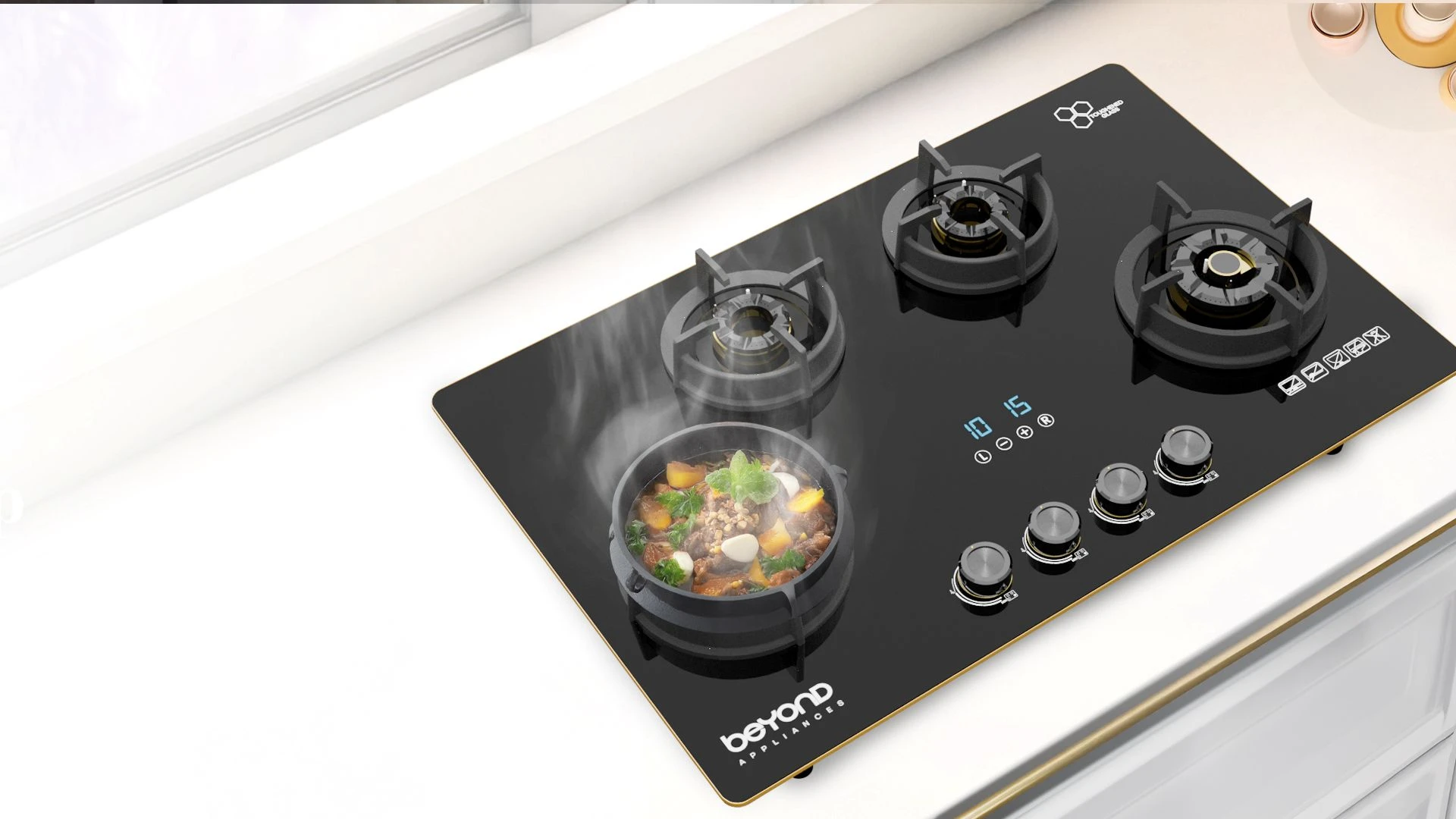
Your monthly gas bill might be higher than necessary, and the culprit could be sitting right on your stovetop. Poor burner quality can increase gas consumption by 15-30%, adding hundreds of rupees to your annual cooking costs. Most homeowners don't realize that burner quality affects gas usage in multiple ways, from flame efficiency to heat distribution patterns. Understanding these factors can help you make smarter choices for your kitchen and significantly reduce your gas expenses. Whether you're considering a new gas stove or wondering why your current one seems to drain your gas cylinder faster than expected, the quality of your burners plays a crucial role in overall cooking efficiency.
The color and pattern of your burner flame directly impacts how efficiently gas converts to usable heat. Quality burners produce consistent blue flames that indicate complete combustion, while poor burners often create yellow or orange flames that waste significant amounts of gas.
Blue flames burn at approximately 1,980°C and achieve nearly complete combustion, converting almost all gas into heat energy. Yellow flames, on the other hand, burn at lower temperatures around 1,000°C and indicate incomplete combustion. This means you're literally burning money as unburned gas escapes into the air. Quality burners maintain proper air-to-gas ratios that ensure burner flame quality remains consistently blue, maximizing heat output per unit of gas consumed.
Even flame distribution around the burner circumference ensures optimal heat transfer to your cookware. Premium burners feature precisely engineered port designs that create uniform flame patterns, eliminating hot spots and cold zones. Poor burner efficiency results in uneven heating, forcing you to use higher gas settings and longer cooking times to achieve the same results.
The internal design of your burner significantly influences how efficiently gas mixes with air and burns. Well-engineered burners optimize this process, while cheaper alternatives often waste gas through poor combustion.
The venturi tube controls how air mixes with gas before combustion. Quality burners feature precisely calibrated venturi systems that maintain optimal air-to-gas ratios across all flame settings. Poor venturi design leads to incomplete combustion, reducing stove burner performance and increasing gas consumption. When air mixing is inadequate, you'll notice yellow flames and reduced heat output, requiring more gas to achieve desired cooking temperatures.
Burner ports must be sized and spaced correctly to ensure proper gas flow and flame stability. Quality burners feature precisely drilled ports that maintain consistent gas pressure and flame characteristics. Poorly designed ports or manufacturing defects can cause uneven gas distribution, leading to increased gas consumption cooking and reduced efficiency.
The ability to precisely control heat output directly impacts gas efficiency. Quality burners respond accurately to control adjustments, while inferior burners often overshoot or undershoot desired temperatures.
Maintaining stable low flames for simmering requires excellent burner engineering. Efficient cooking burners can sustain consistent low-heat output without flame extinction or irregular burning patterns. Poor burners often struggle with simmer settings, either producing flames too high for delicate cooking or experiencing frequent flame-outs that waste gas during reignition cycles.
Quality burners respond quickly to control adjustments, allowing precise temperature management without overshooting. This responsiveness prevents gas waste from having to repeatedly adjust flame settings. Poor burners with sluggish response times often require higher initial settings followed by corrections, increasing overall gas stove efficiency losses.
The materials used in burner construction affect how efficiently heat transfers to your cookware and how well the burner maintains performance over time.
Cast iron burner heads retain heat effectively and distribute it evenly, improving cooking appliance efficiency. Brass burners offer excellent corrosion resistance and maintain precise port dimensions over time. Aluminum burners, while lighter, may not provide the same heat retention properties. The material choice affects how efficiently gas converts to usable cooking heat.
Poor-quality materials degrade over time, affecting burner port dimensions and gas flow characteristics. Corrosion can partially block ports or alter their shape, leading to uneven flames and increased gas usage factors. Quality burners maintain their performance characteristics longer, ensuring consistent efficiency throughout their lifespan.
Using appropriately sized burners for your cookware prevents energy waste and optimizes gas consumption for different cooking tasks.
Different cooking methods require different heat levels. Quality gas stoves offer multiple burner sizes with appropriate BTU ratings for various cookware sizes. Using oversized burners for small pots wastes gas as flames extend beyond the cookware base. Proper burner sizing ensures maximum stove energy saving by directing heat efficiently to your cookware.
Dual and triple ring burners provide flexibility in heat distribution and intensity. These designs allow you to match flame size to cookware diameter more precisely, optimizing gas burners for different cooking scenarios. You can use inner rings for small pots and activate outer rings for larger cookware, ensuring efficient gas usage regardless of pot size.
The ease of maintenance and cleaning affects long-term efficiency. Quality burners typically require less frequent maintenance while maintaining optimal performance.
Food residue and grease buildup can partially block burner ports, affecting flame quality and increasing gas consumption. Quality burners with smooth surfaces and accessible ports are easier to clean and maintain. Regular cleaning maintains optimal burner efficiency by ensuring proper gas flow and combustion.
Quality burners from reputable manufacturers typically offer better parts availability and longer-lasting components. This ensures you can maintain optimal stove burner performance throughout the appliance's lifespan without expensive replacements or efficiency degradation.
Poor-quality burners can increase gas consumption by 15-30% compared to efficient models. This translates to additional costs of INR 1,500-3,000 annually for average households, depending on cooking frequency and gas prices.
Yellow or orange flames, uneven flame patterns, longer cooking times, frequent flame adjustments, and higher than expected gas bills all indicate inefficient burner performance that wastes gas.
Not necessarily. While premium burners often feature better engineering and materials, the key factors are proper design, manufacturing quality, and maintenance rather than price alone.
Clean burner caps and ports weekly for heavy users, or monthly for moderate cooking. Deep cleaning should occur monthly to maintain optimal gas efficiency and prevent buildup that affects performance.
Regular cleaning, proper maintenance, and ensuring correct air-to-gas ratios can improve efficiency. However, fundamental design limitations cannot be overcome without burner replacement.
Burner quality significantly impacts gas consumption through multiple mechanisms, from flame efficiency to heat distribution patterns. Quality burners with proper design, materials, and engineering can reduce gas usage by 15-30% compared to poor alternatives. The initial investment in efficient burners pays for itself through reduced gas bills over time. Regular maintenance and proper usage further optimize efficiency, ensuring you get maximum value from every gas unit consumed. Understanding these factors helps you make informed decisions about kitchen appliances and cooking practices that benefit both your budget and cooking experience.
