

7 Ways Burner Placement Impacts Cooking Results
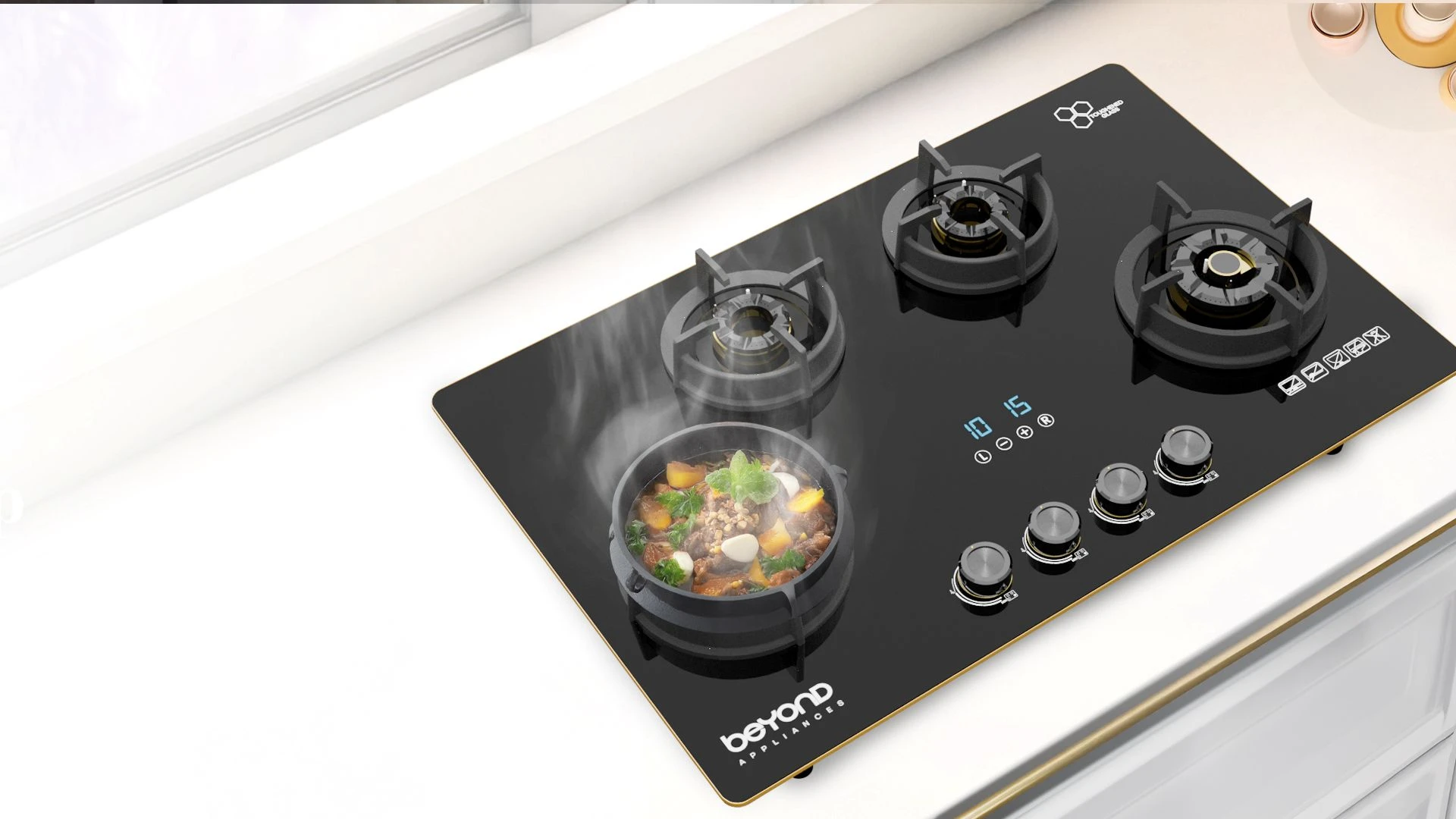
The way you position your cookware on different burners can make or break your cooking results. Many home cooks don't realize that burner placement creates significant differences in heat distribution, cooking efficiency, and food quality. Whether you're searing meat, simmering sauces, or baking delicate pastries, understanding how stove burner position affects your cooking can transform your kitchen experience. Modern cooktops and gas stoves are designed with specific heat zones that work differently depending on where you place your pots and pans.
The science behind heat transfer explains why burner placement matters so much in cooking. Different positions on your cooktop create varying heat patterns that directly impact how food cooks. Gas burners produce flame patterns that spread heat differently than electric coils, creating unique temperature zones across your cooking surface. When you understand these heat distribution patterns, you can choose the right burner for each cooking task. The size and position of burners affect how efficiently heat transfers to your cookware. Center burners typically provide more even heat circulation, while edge burners may create hot spots on stove surfaces due to heat loss near cabinet walls. Temperature measurements across different burner positions show variations of 50-100 degrees Fahrenheit. This difference significantly affects cooking times, browning patterns, and overall food quality. Professional chefs leverage these variations to manage multiple cooking tasks simultaneously.
Center burners deliver the most consistent cooking results because they're positioned away from heat-absorbing surfaces like cabinet walls and countertops. This placement allows heat to circulate freely around your cookware without interference from surrounding structures. Thermal imaging studies reveal that center burners maintain more uniform temperature distribution across the bottom of pans. The heat spreads evenly from the flame or heating element, creating ideal conditions for tasks requiring consistent temperature control.
Use center burners for delicate sauces that need gentle, even heating. They're perfect for melting chocolate, making custards, or preparing risotto where temperature consistency matters most.
Select center positions for large pots and pans that need uniform heating. Soups, stews, and pasta water benefit from the even heat distribution that center burners provide.
Edge burners create challenges because nearby cabinets and walls absorb heat, leading to uneven temperature distribution. This positioning often results in hot spots on stove surfaces where one side of your pan gets significantly hotter than the other. Heat loss patterns near stovetop edges can cause food to cook unevenly, with one side browning faster than the other. Cabinet proximity affects how heat circulates around your cookware, creating temperature variations that impact cooking quality.
Rotate pans frequently when using edge burners to compensate for uneven heating. Consider using lower heat settings to prevent hot spots from burning food.
Choose smaller pans for edge burners to minimize the impact of uneven heat distribution. This approach helps maintain better temperature control across the cooking surface.
The burner size effect plays a crucial role in cooking efficiency and energy consumption. Matching your cookware diameter to the appropriate burner size ensures optimal heat transfer and prevents energy waste. When pans are too small for large burners, heat escapes around the edges, wasting energy and potentially overheating pan handles. Conversely, large pans on small burners create uneven heating patterns that affect food quality.
Choose burners that match your cookware size within one inch. This ratio ensures maximum heat transfer efficiency and prevents energy waste.
Proper burner selection can reduce cooking times by up to 25% while using less energy. This efficiency translates to lower utility bills and better cooking results.
Oven heat distribution varies significantly based on heating element placement and oven design. Understanding these patterns helps you position baking sheets and cookware for optimal results. Conventional ovens typically have hot spots near heating elements, while convection ovens use fans to circulate air more evenly. Rack positioning becomes critical for achieving consistent baking results across different oven zones.
Place delicate items like cookies on center racks where temperature remains most stable. Use lower racks for items that need bottom browning, like pizza or bread.
Most ovens run 25-50 degrees hotter in back corners compared to center positions. Rotate baking sheets halfway through cooking to compensate for these variations.
Cooktop performance depends heavily on burner arrangement and spacing. Linear configurations offer different advantages compared to grid layouts, affecting how you can manage multiple cooking tasks. Professional-style cooktops often feature varied burner sizes and positions that maximize cooking efficiency. These designs allow better heat management for complex meal preparation.
Linear burner arrangements provide easier access to controls and better heat isolation between cooking zones. Grid patterns offer more flexibility for large cookware placement.
Adequate spacing between burners prevents heat interference and allows comfortable use of multiple large pans simultaneously.
Efficient cooking techniques leverage different burner positions to manage multiple cooking tasks effectively. Professional cooks use zone cooking strategies to prepare complex meals efficiently. Temperature staging involves using different burner positions for various cooking phases. Start proteins on high-heat center burners for searing, then move to gentler edge positions for finishing.
Use high-heat burners for initial searing and browning, then transfer to lower-heat positions for gentle cooking. This approach maximizes flavor development while preventing overcooking.
Plan your cooking sequence based on burner characteristics. Start slow-cooking items on consistent center burners while using variable edge positions for quick-cooking elements.
Restaurant kitchens utilize specific burner placement strategies to maintain consistent food quality during busy service periods. These professional techniques can improve your home cooking results significantly. Professional cooks understand that different burner positions excel at specific cooking tasks. They use this knowledge to optimize workflow and maintain consistent results across multiple orders.
Professionals designate specific burners for particular cooking tasks, ensuring consistency and efficiency during service. This systematic approach prevents confusion and maintains quality standards.
Apply professional zone cooking concepts by assigning specific burners for different cooking phases. This organization improves timing and results in better overall meal quality.
Yes, scientific measurements show temperature differences of 50-100 degrees Fahrenheit between different burner positions. These variations significantly affect cooking times, browning patterns, and food quality. Center burners typically provide more even heat distribution compared to edge positions.
Center burners work best for searing because they provide the most even, intense heat distribution. The consistent temperature across the pan surface ensures uniform browning and prevents hot spots that can cause uneven cooking.
Sprinkle flour evenly across a dry pan and heat it on different burners. The flour will brown faster in hot spot areas, revealing uneven heat distribution patterns. You can also use water drops to test - they'll evaporate quicker in hotter zones.
Not necessarily. Match your cookware size to the burner diameter for optimal efficiency. Using oversized burners wastes energy and can overheat pan handles, while undersized burners create uneven heating patterns.
Uneven cooking can result from warped cookware, incorrect heat settings, or poor-quality pans with uneven bottom surfaces. Check your cookware for warping and ensure you're using appropriate heat levels for your cooking tasks.
Understanding how burner placement affects your cooking results empowers you to make better decisions in the kitchen. Center burners provide the most consistent heat distribution, while edge positions require more attention to prevent uneven cooking. Matching burner size to cookware diameter maximizes efficiency and improves results. Whether you're using a basic gas stove or an advanced cooktop, these principles will help you achieve better cooking outcomes. Remember that small adjustments in burner selection can lead to significant improvements in food quality and cooking efficiency.
