

7 Signs Your Chimney Filter Needs Cleaning Now
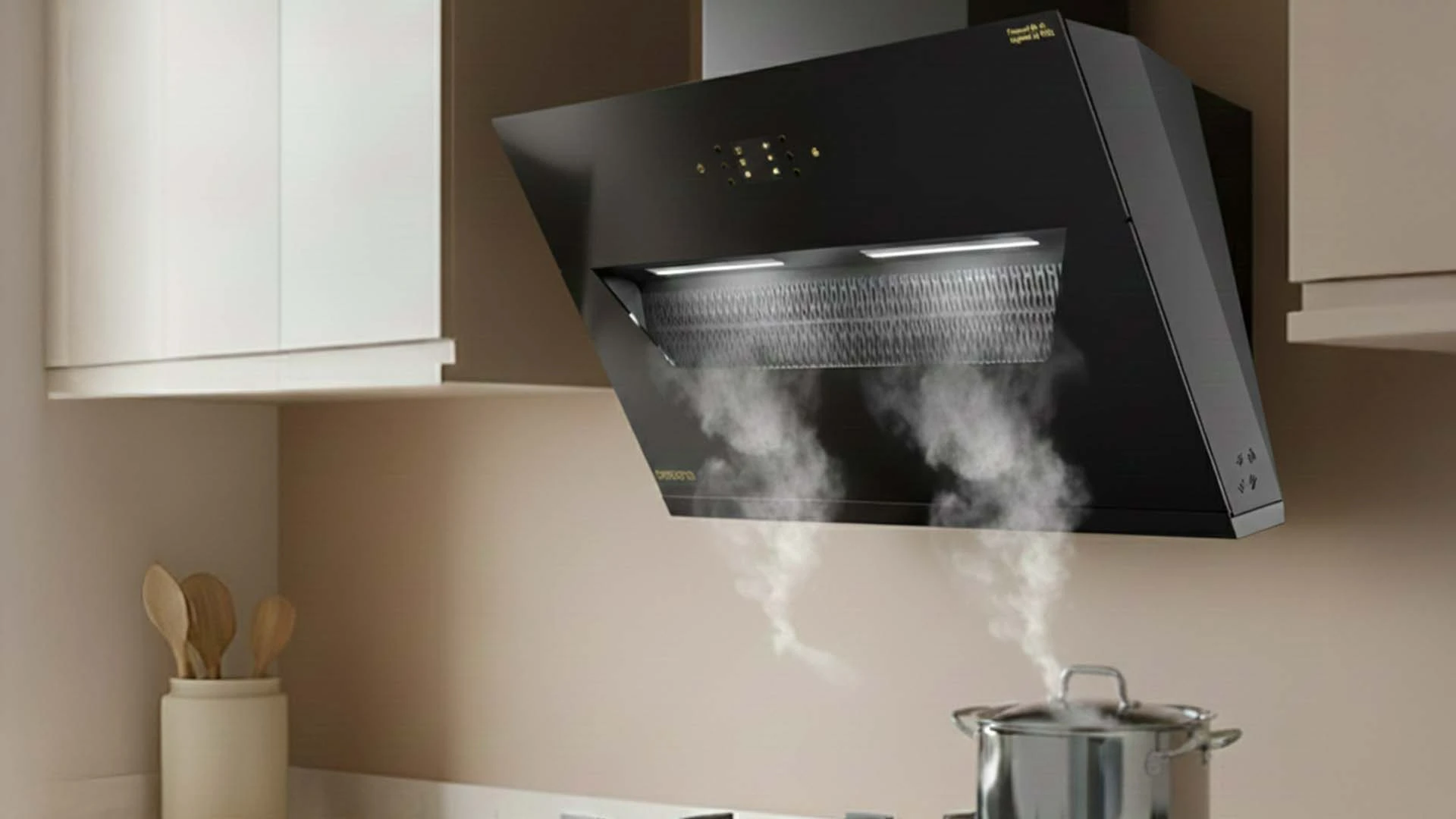
Your kitchen chimney works tirelessly to keep your cooking space fresh and smoke-free. But when was the last time you checked its filter? A dirty chimney filter doesn't just reduce efficiency—it can create serious safety hazards and turn your cooking experience into a frustrating ordeal. Most homeowners wait until their chimney completely fails before taking action, but recognizing the early warning signs can save you from costly repairs and potential fire risks. Understanding how often should chimney filter be cleaned and spotting these critical indicators will help you maintain optimal kitchen ventilation and protect your family's safety.
The question of how often should chimney filter be cleaned doesn't have a one-size-fits-all answer. Your cleaning schedule depends on several factors including cooking habits, filter type, and kitchen usage patterns. Heavy cooking with lots of oil and spices requires more frequent maintenance than light steaming or boiling.
Different filter types have varying chimney filter cleaning frequency requirements. Mesh and cassette filters need attention every 2-3 weeks if you cook daily with oil-based methods. Baffle filters can typically go 3-4 weeks between cleanings due to their superior grease-trapping design. Charcoal filters are non-washable and require complete replacement every 3-6 months. Auto-clean systems still need manual inspection monthly, even with weekly automatic cycles.
Your cooking style significantly impacts cleaning kitchen chimney filter frequency. Families who frequently fry foods or prepare spicy cuisines need more aggressive maintenance schedules. Kitchen size also matters—smaller spaces with limited ventilation accumulate grease faster. The number of daily cooking hours and the types of oils used all influence how quickly filters become clogged with debris.
Recognizing these dirty chimney filter symptoms early can prevent major problems and maintain efficient kitchen ventilation. Each sign indicates specific issues that require prompt action to avoid safety hazards and performance degradation.
The most obvious indicator is visible grease accumulation on filter surfaces. Clean filters should appear bright and metallic, while dirty ones show dark, sticky residue that doesn't wipe away easily. When you can see thick grease layers or black staining, it's time for immediate cleaning. This buildup blocks airflow and creates fire hazards during high-temperature cooking.
Notice smoke lingering longer than usual during cooking? This indicates compromised suction power due to clogged filters. Test your chimney by holding a tissue paper near the intake—it should be drawn up immediately. Weak suction means your filter can't handle normal cooking vapors, forcing smoke and odors to spread throughout your home.
Clean chimneys operate quietly with minimal vibration. Grinding, rattling, or excessive humming sounds often indicate filter blockage forcing the motor to work harder. These noises suggest grease buildup in chimney components is creating resistance and strain on mechanical parts. Ignoring these sounds can lead to expensive motor replacement.
Properly functioning filters eliminate cooking odors before they spread beyond the kitchen. If you smell last night's dinner in your living room or bedrooms, your filter isn't capturing airborne particles effectively. This symptom indicates severe blockage preventing proper kitchen ventilation cleaning and air circulation.
Grease dripping from your chimney represents a serious safety concern requiring immediate attention. This occurs when filters become completely saturated and can't absorb additional grease. The excess then accumulates in the chimney housing and eventually drips onto your cooktop, creating fire risks and hygiene issues.
Dirty filters force chimney motors to work harder, consuming more electricity and generating excess heat. You might notice higher utility bills or feel unusual warmth from the chimney unit during operation. This increased workload shortens motor lifespan and indicates urgent need for filter maintenance.
The ultimate test of filter efficiency is smoke extraction during active cooking. If steam and smoke remain visible around your cooktop despite running the chimney at full speed, your filter has reached critical blockage levels. This situation compromises both cooking comfort and indoor air quality.
Knowing how to clean chimney filter properly ensures maximum efficiency and longevity. The best way to clean chimney filter varies by filter type, but certain principles apply universally for safe and effective maintenance.
Before starting any cleaning process, ensure your chimney is completely cool and disconnected from power. Gather degreasing solutions, soft brushes, rubber gloves, and adequate ventilation. Remove filters carefully to avoid dropping grease onto your cooktop or floor. Take photos before disassembly to ensure proper reinstallation.
For mesh and cassette filters, soak in hot water with degreasing detergent for 15-20 minutes. Use soft brushes to gently scrub away stubborn grease without damaging filter material. Baffle filters require more aggressive cleaning with specialized degreasers due to their complex design. Rinse thoroughly and allow complete air drying before reinstallation to prevent moisture damage.
Regular maintenance extends filter life and ensures consistent efficient cooking ventilation. Following these chimney maintenance tips prevents major problems and maintains optimal kitchen air quality year-round.
Establish weekly visual inspections to catch problems early. Monthly deep cleaning prevents heavy grease accumulation and maintains peak performance. Schedule quarterly professional inspections to check motor function and ductwork condition. Annual comprehensive servicing ensures all components operate efficiently and safely.
Never use harsh chemicals that can damage filter materials or leave toxic residues. Avoid putting wet filters back into the chimney, as moisture can damage electrical components. Don't neglect cleaning the chimney housing and motor areas, which also accumulate grease over time. Ensure proper filter orientation during reinstallation to maintain airflow direction.
Daily cooking requires filter cleaning every 2-3 weeks for mesh filters and monthly for baffle filters. Heavy oil-based cooking may need weekly attention to maintain optimal performance.
Regular dish soap works for light cleaning, but specialized degreasers are more effective for heavy grease buildup. Avoid harsh chemicals that might damage filter materials.
Neglected filters reduce suction power, increase fire risks, cause motor strain, and allow cooking odors to spread throughout your home. Regular cleaning prevents these issues.
Replace filters when they show permanent damage, excessive wear, or can't be cleaned effectively. Charcoal filters always need replacement rather than cleaning.
Recognizing these seven warning signs helps maintain safe and efficient kitchen ventilation. Regular cleaning every 2-4 weeks, depending on usage, prevents major problems and extends appliance life. Professional cleaning techniques ensure thorough grease removal without damaging filter components. Preventive maintenance saves money and protects your family from safety hazards associated with dirty chimney filters.
