

7 Shocking Reasons Your Burners Keep Clogging
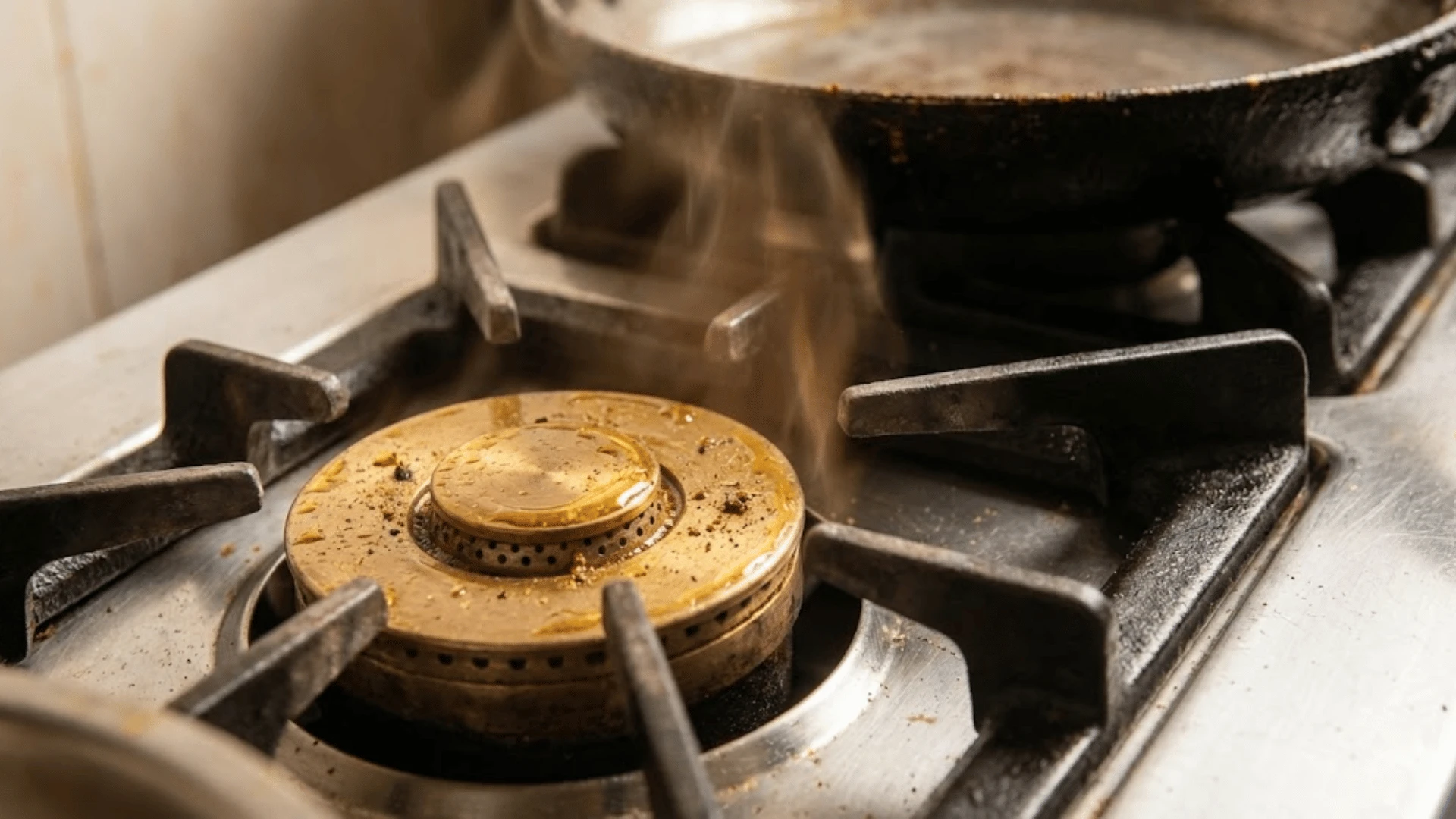
Clogged burners can turn your cooking experience into a frustrating ordeal. Studies show that 78% of home cooks face reduced cooking efficiency due to burner-related issues. When your gas stove burner problems persist, meal preparation takes longer, heat distribution becomes uneven, and your kitchen's performance suffers significantly. Most homeowners blame regular wear and tear, but the real culprits behind frequent clogging are far more surprising. These hidden factors create a cycle of burner maintenance headaches that traditional cleaning methods simply cannot address. Understanding why burners clog frequently goes beyond surface-level cleaning—it requires identifying the shocking underlying causes that most people completely overlook.
Grease vapor accumulation represents one of the most overlooked burner clogging causes in modern kitchens. During high-heat cooking, oils and fats don't just splatter—they vaporize and create an invisible coating that settles on burner components. This microscopic layer acts like a magnet for dust, food particles, and other debris, creating the perfect foundation for stubborn clogs.
When cooking temperatures exceed 350°F, cooking oils release vapors that condense on cooler surfaces around your burners. These vapors are nearly invisible but extremely sticky. Over time, this invisible coating traps particles that would normally fall away, leading to gas burner flame issues and reduced heat output.
Address grease vapor accumulation by cleaning burner caps and grates with warm, soapy water after every high-heat cooking session. Use a degreasing agent specifically designed for kitchen appliances to break down stubborn residue. This simple habit prevents the sticky foundation that causes most clogging problems.
The pots and pans you use daily might be accelerating your burner clogging problems. Certain cookware materials and conditions create more debris transfer than others, turning routine cooking into a burner maintenance nightmare. Understanding this connection helps you make better choices for long-term burner health.
Non-stick coatings that are scratched or damaged release particles during cooking. Cast iron cookware, while excellent for heat retention, can shed tiny metal particles when not properly seasoned. Warped pans create uneven heat distribution, causing food to stick and burn more frequently, which increases debris around burner areas.
Choose flat-bottomed cookware that sits evenly on burner grates. Stainless steel and well-maintained cast iron perform best for preventing debris transfer. Replace damaged non-stick pans promptly to avoid particle contamination around your burners.
Small spills during cooking seem harmless, but they create a cascading effect that leads to major gas stove burner problems. Most home cooks underestimate how quickly minor spillovers transform into hardened deposits that block gas flow and reduce flame efficiency.
When liquids spill onto hot burner surfaces, they don't just evaporate—they caramelize and bond with existing residue. Sugar-containing liquids are particularly problematic, creating rock-hard deposits that resist standard cleaning methods. These deposits gradually build up, restricting gas flow and creating uneven flame patterns.
Use appropriately sized cookware to prevent overflow. Keep burner areas clean by wiping spills immediately after cooking while surfaces are still warm but safe to touch. This prevents caramelization and makes stove burner cleaning much more effective.
Inadequate kitchen ventilation creates an environment where airborne particles settle directly onto burner components. This often-overlooked factor significantly contributes to why burners clog frequently, especially in kitchens with limited air circulation.
Poor ventilation allows cooking vapors, steam, and airborne grease to linger in your kitchen. Without proper air circulation, these particles settle on burner surfaces instead of being drawn away. Moisture retention from inadequate ventilation also helps debris stick more effectively to burner components.
Ensure your kitchen exhaust system operates efficiently during and after cooking. Open windows when weather permits to create cross-ventilation. Consider upgrading to a more powerful chimney system if your current ventilation struggles to handle cooking vapors effectively.
Many homeowners unknowingly use cleaning products that leave residue, actually contributing to future clogging problems. Understanding which products help versus harm your burners is crucial for effective burner maintenance tips.
Cleaning products containing oils or waxes leave invisible films that attract dirt and debris. Harsh chemicals can damage burner finishes, creating rough surfaces where particles lodge more easily. Using too much cleaning product without proper rinsing also creates residue buildup.
Use mild dish soap and warm water for regular cleaning. Avoid products with added moisturizers or shine enhancers. Always rinse thoroughly and dry completely to prevent water spots that can trap particles. This approach supports efficient cooking solutions by maintaining optimal burner performance.
Inconsistent gas pressure and poor flame quality create conditions that accelerate burner clogging. These technical issues often go unnoticed until they create significant performance problems that affect your cooking experience.
When gas pressure varies, flames burn incompletely, producing more soot and carbon deposits. These deposits accumulate around burner ports, gradually restricting gas flow further. Yellow or orange flames indicate incomplete combustion, which produces more debris than clean blue flames.
Gas-related issues require professional assessment for safety reasons. However, you can clean burner ports carefully with a thin wire or needle to remove visible debris. If flame problems persist after cleaning, contact a qualified technician to check gas pressure and connections.
Weather conditions and environmental factors significantly impact burner performance, yet most homeowners never consider these influences when troubleshooting common stove problems.
High humidity increases moisture retention around burners, helping debris stick more effectively. Seasonal cooking pattern changes—like increased baking during holidays—create different types of airborne particles. Air quality issues from nearby construction or environmental factors also contribute to particle accumulation.
Increase cleaning frequency during humid seasons or when air quality is poor. Adjust your burner maintenance tips based on seasonal cooking habits. Use dehumidifiers in kitchens prone to moisture retention to prevent burner clogs more effectively.
When clogs do occur, knowing how to unclog burner safely and effectively can restore your cooking efficiency quickly. This comprehensive approach addresses both immediate solutions and long-term prevention strategies.
First, ensure the stove is completely cool and gas supply is turned off. Remove burner caps and grates for thorough cleaning. Use a soft brush to remove loose debris, then soak components in warm, soapy water. For stubborn clogs, use a thin wire to carefully clear burner ports, working from the top down.
For immediate cooking needs, focus on clearing the most blocked ports first. However, comprehensive cleaning of all components prevents future problems. Regular deep cleaning every month provides better long-term results than emergency fixes.
Clean burner surfaces after each use and perform deep cleaning monthly. High-use burners may need weekly attention to maintain optimal performance.
Burners used for high-heat cooking or those positioned near prep areas accumulate debris faster. Usage patterns and cooking methods significantly impact clogging frequency.
Partially clogged burners reduce efficiency and can create uneven heating. Address clogs promptly to maintain safe, efficient cooking solutions.
Contact professionals for gas-related issues, persistent flame problems after cleaning, or if you smell gas around the stove area.
Mild dish soap, warm water, and soft brushes work effectively. Avoid harsh chemicals or abrasive materials that can damage burner components.
Understanding why burners clog frequently requires looking beyond surface cleaning to address root causes. Grease vapor accumulation, improper cookware choices, spillover management, ventilation issues, wrong cleaning products, gas pressure problems, and environmental factors all contribute to persistent clogging. Implementing proper burner maintenance tips and addressing these underlying causes creates a more efficient cooking environment. Regular attention to these factors prevents most common stove problems and ensures your kitchen operates at peak performance. Remember that prevention through proper habits costs far less than reactive cleaning and repairs.
