

7 Reasons Your Burner Caps Are Getting Discolored
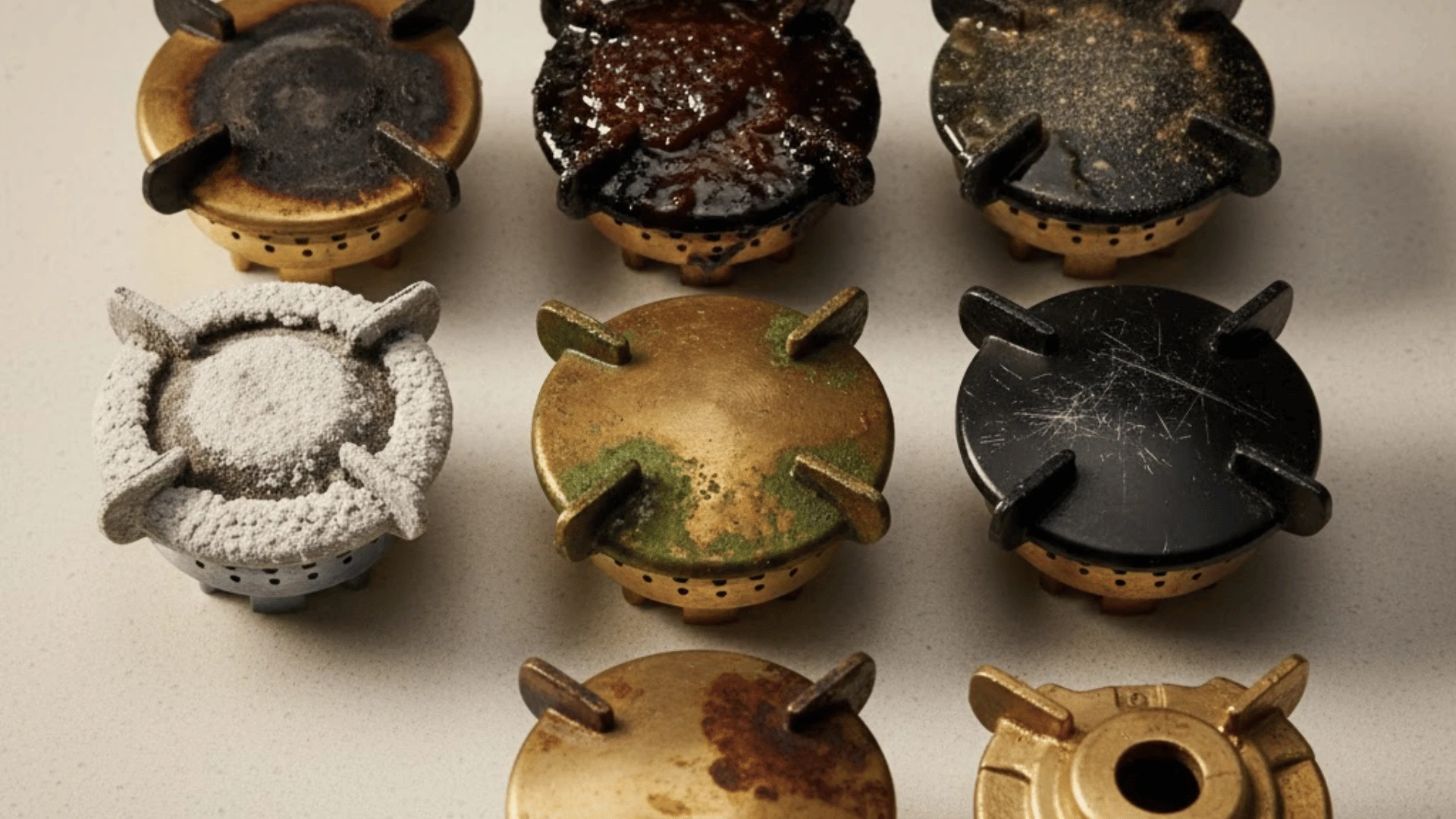
Discolored burner caps are one of the most common kitchen frustrations that homeowners face. These essential components of your gas stove can develop unsightly stains, rust spots, and discoloration that not only affects your kitchen's appearance but may also impact cooking performance. Understanding why burner caps become discolored helps you take the right steps to restore them and prevent future damage. From heat exposure to cleaning mistakes, several factors contribute to this problem. Let's explore the seven main reasons your burner caps are losing their original finish and discover practical solutions to keep them looking new.
Burner cap discoloration occurs through various chemical and physical processes that affect the metal surface over time. The primary culprit is oxidation, where oxygen reacts with metal components under heat and moisture conditions. This process accelerates when combined with food residues, cleaning chemicals, and temperature fluctuations. Different types of discoloration indicate specific problems. Brown or yellow stains typically result from food spills and grease buildup that have been heated repeatedly. White chalky deposits usually signal hard water mineral accumulation. Black or dark spots often indicate severe heat damage or carbon buildup from incomplete combustion.
Identifying the root cause of your burner cap discoloration is essential for choosing the right cleaning approach and prevention strategy. Each type of damage requires specific treatment methods for effective restoration.
Prolonged exposure to high temperatures causes metal burner caps to undergo thermal stress, leading to permanent discoloration. Gas stove burner problems often stem from cooking at maximum heat settings for extended periods. The metal expands and contracts repeatedly, causing microscopic cracks where moisture and contaminants can penetrate. Temperature shock occurs when hot burner caps come into contact with cold water during cleaning. This rapid temperature change can cause warping and create stress points that accelerate discoloration.
Food spills create some of the most stubborn burner cap stains when they're heated repeatedly. Sugary substances caramelize and form hard, brown deposits that bond with the metal surface. Protein-rich spills undergo chemical changes that create permanent staining. Grease buildup acts like a magnet for dirt and debris, creating thick layers that discolor over time. These deposits also interfere with proper heat distribution, causing uneven cooking and potential safety hazards.
Many homeowners unknowingly damage their burner caps while trying to clean them. Abrasive cleaners and steel wool scratch protective coatings, making the surface more vulnerable to staining. Bleach and ammonia-based products can cause chemical reactions that permanently discolor certain metals. Cleaning burner caps requires gentle methods and appropriate products. Harsh chemicals can strip away protective finishes and accelerate corrosion processes.
Hard water contains high levels of calcium and magnesium that leave white, chalky deposits on burner caps. These mineral buildups become more pronounced in areas with poor ventilation where water droplets evaporate slowly. Regional water quality significantly impacts how quickly these deposits accumulate. Areas with extremely hard water may require more frequent cleaning and specialized descaling products.
Stove burner maintenance becomes more challenging as components age naturally. Different materials have varying lifespans and degradation patterns. Cast iron caps may develop rust spots, while aluminum caps can show pitting and corrosion. Normal wear and tear eventually affects all burner caps regardless of maintenance quality. Understanding your caps' expected lifespan helps you plan for eventual replacement.
Kitchen humidity accelerates the formation of rusty burner caps, especially in poorly ventilated spaces. Steam from cooking creates moisture that settles on cool surfaces, promoting oxidation processes. Seasonal changes in humidity levels can cause cyclical expansion and contraction of metal components, creating stress points where corrosion begins.
Some discolored burner caps result from manufacturing issues or substandard materials. Poor-quality coatings may fail prematurely, exposing underlying metals to corrosion. Inconsistent material composition can create weak spots that discolor faster than surrounding areas. Identifying factory defects early helps determine warranty coverage and replacement options.
Effective cleaning starts with identifying the specific type of stain you're dealing with. How to clean stove burners properly depends on the discoloration cause and severity. For grease and food stains, create a paste using baking soda and water. Apply this mixture to affected areas and let it sit for 30 minutes before scrubbing gently with a soft brush. For mineral deposits, white vinegar works effectively to dissolve calcium and magnesium buildup. Severe discoloration may require soaking burner caps in warm, soapy water for several hours. Remove stubborn stains using a plastic scraper, avoiding metal tools that can scratch surfaces. Always dry components thoroughly after cleaning to prevent new moisture-related damage.
Proactive stove burner maintenance prevents most discoloration issues before they become serious problems. Clean spills immediately while they're still warm but not hot. This prevents food residues from bonding permanently with metal surfaces. Implement efficient cooking tips like using appropriate heat settings for different cooking tasks. Medium heat handles most cooking needs effectively while reducing thermal stress on burner caps. Ensure proper ventilation during cooking to minimize moisture accumulation. Establish a weekly cleaning routine that includes wiping down burner caps with a damp cloth. Monthly deep cleaning prevents buildup that leads to permanent staining.
Stove burner repair becomes necessary when discoloration affects functionality or safety. Severely corroded caps may not distribute heat evenly, leading to poor cooking performance and potential gas leaks. Replacement costs typically range from INR 500 to INR 2,000 per cap, depending on your stove model and material quality. Compare this against the time and effort required for restoration when making your decision. Safety should always take priority over appearance. Replace any burner cap showing signs of structural damage, regardless of cleaning potential.
Yes, severe discoloration often indicates surface damage that can interfere with heat distribution. Corroded or warped caps may create hot spots or uneven heating patterns that affect cooking quality.
Cast iron caps are most susceptible to rust and corrosion, while stainless steel offers better resistance to discoloration. Aluminum caps fall somewhere in between, showing good heat distribution but moderate staining resistance.
Perform thorough cleaning monthly for average use, or weekly for heavy cooking households. Immediate attention to spills prevents most serious staining issues.
While complete prevention isn't realistic, proper maintenance significantly reduces discoloration severity and frequency. Regular cleaning and appropriate cooking practices extend cap lifespan considerably.
Most warranties exclude normal wear and discoloration from regular use. However, premature failure due to manufacturing defects may qualify for coverage within the warranty period.
Understanding why burner caps become discolored empowers you to take appropriate preventive measures and choose effective cleaning methods. Regular maintenance, proper cooking techniques, and immediate spill cleanup prevent most serious discoloration issues. When cleaning efforts fail to restore functionality or appearance, replacement ensures continued cooking performance and kitchen safety. Remember that some discoloration is normal with regular use, but severe damage requires prompt attention to maintain your gas stove's efficiency and safety.
