

7 Reasons Pressure Cooker Whistles Vary by Hob Type
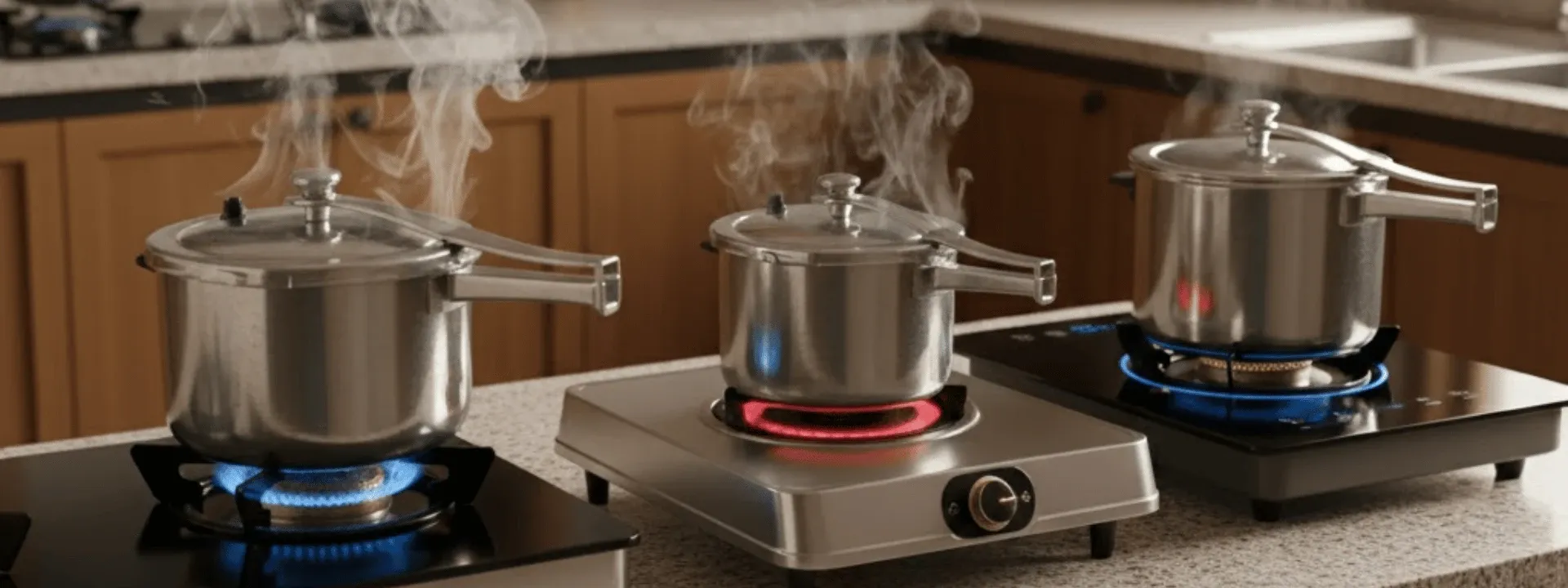
Ever wondered why your pressure cooker whistles differently when you switch from gas to electric or induction hobs? The pressure cooker whistle sound isn't just a random noise – it's a carefully engineered safety feature that responds to various heating conditions. Different pressure cooker hob types create unique heat patterns, affecting how steam builds up and releases through the valve. Understanding these variations helps you achieve better cooking results and ensures proper pressure cooker safety features activation. Whether you're using gas, electric, induction, or ceramic hobs, each type influences your pressure cooker's performance in distinct ways that directly impact whistle frequency, intensity, and timing.
The whistle in your pressure cooker serves as both a timer and safety indicator. When steam builds up inside the sealed pot, it creates pressure that eventually forces its way through a small opening in the valve, producing that familiar whistling sound. The pressure cooker valve function works like a controlled release system – as pressure reaches the optimal level, steam escapes rhythmically through the weighted valve or whistle. This pressure cooker steam release pattern tells you several important things about your cooking process. A steady, consistent whistle indicates proper pressure cooker pressure regulation, while irregular or weak whistling might signal issues with heat distribution or valve function. The physics behind this process involves steam pressure pushing against the valve weight until it lifts slightly, allowing steam to escape and creating the characteristic sound.
Different hob types create vastly different heating patterns that directly affect how your pressure cooker builds and maintains pressure. These variations explain why pressure cooker whistles differently on hobs and why some cooking methods feel more consistent than others.
Gas hobs provide direct flame contact with your pressure cooker's bottom surface. This creates intense, localized heating that can sometimes result in hot spots. The flame's natural movement and slight variations in gas pressure can cause fluctuating heat levels, leading to irregular whistle patterns. However, gas offers instant heat adjustment, making it easier to control pressure once you understand your cooker's behavior.
Electric coil or solid plate hobs transfer heat through direct contact and radiation. These surfaces heat up gradually and retain heat longer than gas flames. This characteristic often results in more gradual pressure buildup and steadier whistling once the optimal temperature is reached. The thermal mass of electric elements provides consistent heat but requires more time for temperature adjustments.
Induction hobs create heat directly in the pressure cooker's base through electromagnetic fields. This method provides extremely precise temperature control and even heat distribution across the entire bottom surface. Induction cooking typically produces the most consistent pressure cooker whistle sound because heat generation is uniform and instantly adjustable.
The ability to control temperature precisely affects both how quickly pressure builds and how consistently it's maintained. Gas hobs offer immediate response to adjustments, while electric hobs have thermal lag that can cause overshooting or undershooting target temperatures. This directly impacts pressure cooker cooking time and whistle consistency. Induction hobs excel in temperature precision, often maintaining pressure more steadily than other types. This consistency helps ensure pressure cooker safety features work as designed and reduces the risk of pressure fluctuations that could affect cooking results. When temperature control is precise, the whistle maintains a steady rhythm that indicates optimal cooking conditions. Ceramic hobs fall somewhere between electric and induction in terms of control precision. They heat evenly but respond more slowly to adjustments than induction. Understanding your hob's response characteristics helps you anticipate pressure changes and adjust heat settings proactively rather than reactively.
The physical contact between your pressure cooker and hob surface significantly affects heat transfer efficiency. Flat-bottom pressure cookers work best with all hob types, but some combinations are more forgiving than others. Poor contact can create uneven heating that results in irregular whistling patterns.
Induction hobs require magnetic cookware with flat bottoms for optimal performance. Even slight warping can reduce efficiency and create hot spots. Gas hobs are more forgiving of minor imperfections but still benefit from good surface contact. Electric and ceramic hobs need flat contact for efficient heat transfer and even cooking.
Gaps between the cookware bottom and hob surface allow heat to escape, reducing efficiency and affecting pressure buildup. This is particularly noticeable with electric and ceramic hobs where direct contact is crucial for heat transfer. Poor contact can extend pressure cooker cooking time and create inconsistent whistle patterns.
Different hob types deliver varying amounts of power, measured in BTUs for gas and watts for electric systems. Gas hobs typically provide higher peak power output, allowing faster pressure buildup and more dramatic whistle onset. Electric hobs usually offer lower but more consistent power delivery. Induction hobs can provide both high power and precise control, often matching or exceeding gas performance while maintaining better consistency. This combination of power and precision typically results in reliable whistle timing and intensity. Understanding your hob's power characteristics helps you set appropriate heat levels for optimal pressure cooker efficient cooking. Power fluctuations in your home's electrical system can affect electric and induction hobs more than gas. Voltage drops during peak usage times might reduce heating efficiency and affect pressure buildup rates. Gas pressure variations are less common but can similarly impact cooking performance.
Different hob types present unique challenges that can affect whistle performance. Recognizing these patterns helps with effective pressure cooker troubleshooting and ensures safe operation.
Flame adjustment problems often cause irregular whistling. Too high flame can create hot spots and rapid pressure changes, while too low flame may prevent proper pressure buildup. Dirty burners or incorrect flame color can also affect heat distribution and whistle consistency.
Temperature cycling in electric hobs can cause pressure fluctuations that result in intermittent whistling. Old or damaged heating elements may create uneven heat distribution. Thermal lag makes it difficult to make quick adjustments when pressure changes are needed.
Non-magnetic pressure cookers won't work on induction hobs at all. Even compatible cookware may have issues if the magnetic base is too small or unevenly distributed. Power cycling in some induction units can cause brief interruptions in heating.
Achieving consistent results requires understanding your specific hob type and adjusting techniques accordingly. Regular pressure cooker maintenance tips include checking valve function, ensuring proper sealing, and maintaining clean contact surfaces between cookware and hob. For gas hobs, focus on flame adjustment and ensuring even heat distribution. Electric hobs benefit from preheating and gradual temperature changes. Induction hobs work best with proper cookware matching and understanding power settings. Ceramic hobs require patience during heat-up and cool-down phases. Safety considerations remain paramount regardless of hob type. Always ensure pressure cooker safety features are functioning properly, including pressure release valves, sealing rings, and locking mechanisms. Regular inspection and maintenance prevent dangerous pressure buildup and ensure reliable whistle operation.
Gas flames provide more intense, direct heat that can create faster pressure buildup and higher peak pressures. This often results in more forceful steam release and louder whistling. Electric hobs typically provide gentler, more gradual heating that produces steadier but often quieter whistles.
Check if a magnet sticks firmly to your pressure cooker's bottom. Induction-compatible cookware must have magnetic properties. Look for induction symbols on the cookware or test with a household magnet. The magnetic area should cover most of the base for optimal performance.
A steady whistle every 30-60 seconds typically indicates proper pressure regulation. The exact timing depends on your cooker model and heat setting. Consistent intervals are more important than specific timing – irregular or absent whistling may indicate pressure problems.
Investigate if whistling becomes irregular, stops completely, or sounds unusually loud or weak. Changes in whistle patterns often indicate valve problems, sealing issues, or improper heat settings. Address these issues immediately for safe operation.
Inspect the valve before each use and perform thorough cleaning monthly. Check for blockages, proper movement, and secure attachment. Replace damaged valves immediately as they're critical safety components.
Yes, inconsistent heating from incompatible hob types can cause irregular pressure buildup and unpredictable steam release. This can compromise safety features and cooking results. Always ensure proper hob-cookware compatibility for safe operation.
Understanding why pressure cooker whistles differently on hobs helps you achieve better cooking results and maintain safety standards. Each hob type – gas, electric, induction, or ceramic – creates unique heating conditions that affect pressure buildup and whistle characteristics. By recognizing these differences and adjusting your technique accordingly, you can optimize pressure cooker efficient cooking regardless of your hob type. Regular maintenance and proper troubleshooting ensure your pressure cooker continues to perform safely and effectively across all cooking surfaces.
