

7 Pro Tips for Gas Hob Efficiency with Large Pots
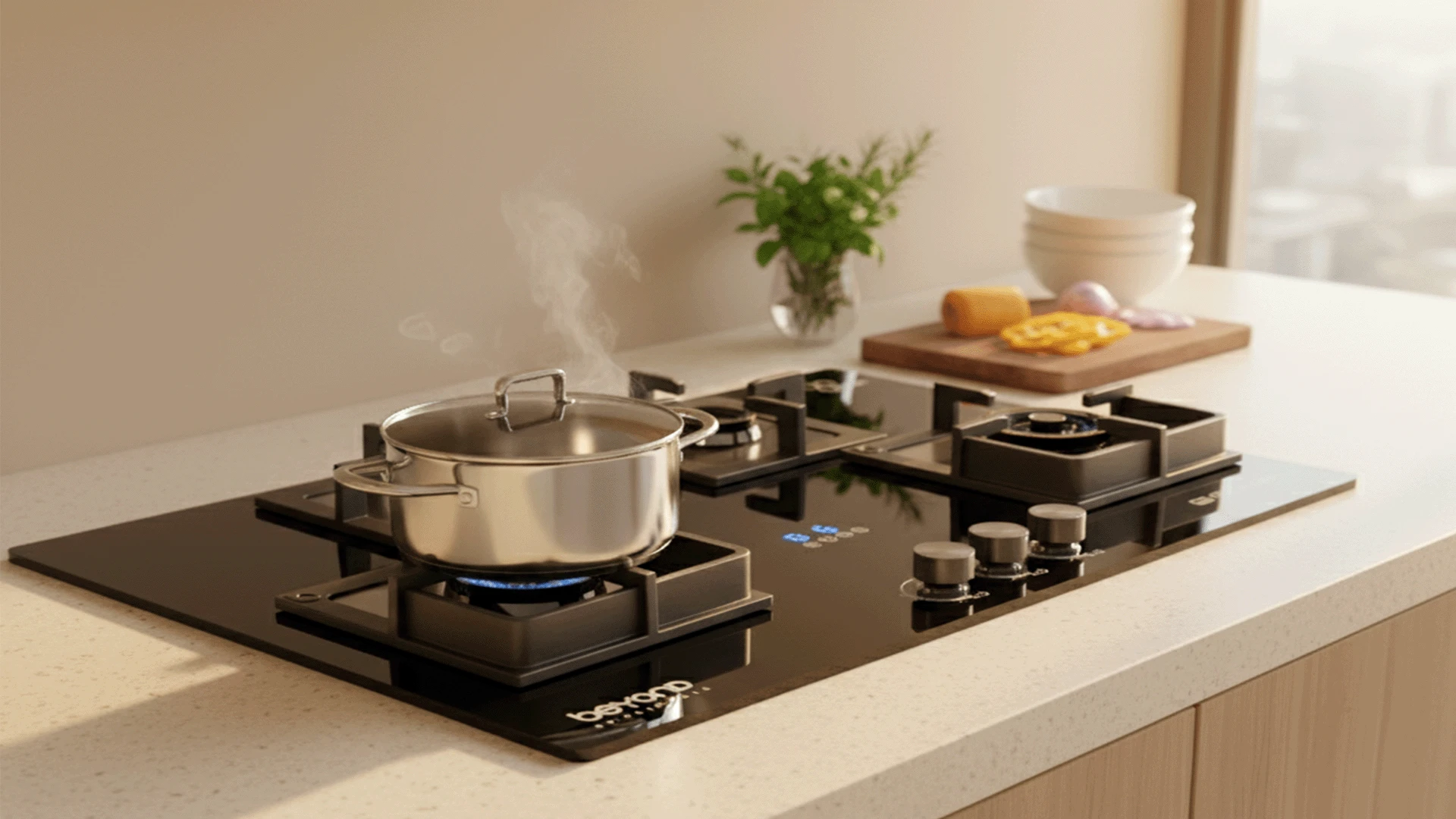
Cooking with large pots on your gas hob can be challenging without the right techniques. Many home cooks struggle with uneven heating, wasted energy, and poor cooking results when using oversized cookware. Understanding gas hob efficiency for large utensils is essential for anyone who regularly prepares meals for families or enjoys batch cooking. The key lies in matching your burner's capabilities with proper cooking techniques, ensuring optimal heat distribution while minimizing energy waste. With the right approach, you can achieve professional-level results while keeping your energy costs under control.
Gas hob efficiency refers to how effectively your burner converts fuel into usable heat for cooking. When working with large pots and pans, this efficiency becomes even more critical because of the increased surface area and heat requirements. A typical gas burner operates most efficiently when the flame covers about 70-80% of the pot's bottom surface. Large utensils present unique challenges that require specific strategies. The increased thermal mass means longer heating times, while the extended surface area can lead to uneven temperature distribution if not handled properly. Understanding your burner's BTU rating helps determine whether it can adequately handle your largest cookware. Cooking appliance efficiency depends on several factors including flame adjustment, pot placement, and heat management techniques. Common mistakes include using flames that extend beyond the pot's edges, which wastes energy and can damage cookware handles. Another frequent error is placing oversized pots on undersized burners, resulting in poor heat distribution and longer cooking times. Hob energy consumption increases significantly with larger cookware, making efficiency techniques even more valuable. Proper flame control and heat management can reduce gas consumption by up to 30% while improving cooking results.
BTU (British Thermal Unit) ratings determine your gas hob's heating capacity and directly impact performance with large cookware. Most residential gas burners range from 5,000 to 18,000 BTUs, with higher ratings providing more intense heat output. For large utensil cooking, burners with at least 12,000 BTUs typically deliver better results. Gas hob BTU requirements vary based on pot size and cooking method. A 10-inch pot generally needs 9,000-12,000 BTUs for optimal performance, while 12-inch or larger pots benefit from 15,000+ BTU burners. Understanding these ratios helps you select the right burner for each cooking task.
Proper heat distribution ensures even cooking and prevents hot spots that can burn food. The flame should create a uniform heat pattern across the pot's bottom without extending beyond the edges. This maximizes gas hob performance while minimizing wasted energy.
Efficient operation shows consistent blue flames, even heating across the cookware surface, and responsive temperature control. Yellow or orange flames indicate incomplete combustion and reduced efficiency, requiring burner adjustment or cleaning.
These proven techniques will transform your large pot gas hob cooking experience while reducing energy consumption and improving results. Each tip addresses specific challenges that arise when using oversized cookware on gas burners.
Matching burner size to pot diameter is crucial for efficient cooking hob operation. Use your largest, highest-BTU burner for pots 10 inches or larger. The burner should provide heat coverage for at least 70% of the pot's bottom surface. Smaller burners waste energy by creating uneven heating patterns and extended cooking times.
Proper flame control maximizes heat transfer while minimizing waste. Start with medium-high heat for initial heating, then adjust based on cooking requirements. The flame should remain blue and steady, extending just to the pot's edge without wrapping around the sides. This technique improves efficient hob cooking by directing maximum energy into the cookware.
Center your large pots precisely over the burner for even heat distribution. Ensure the cookware sits level and stable on the grate to prevent tipping and maintain consistent contact with the heat source. Proper placement is essential for smart cooking hob practices and safety with heavy, large cookware.
Large pots require longer preheating times due to increased thermal mass. Start with high heat to reach target temperature quickly, then reduce to maintain cooking temperature. This approach reduces overall cooking time and improves energy efficiency compared to slow, gradual heating.
Choose pots with thick, flat bottoms that distribute heat evenly across the surface. Materials like aluminum or copper cores improve heat transfer efficiency. Avoid warped or thin-bottomed cookware that creates hot spots and reduces gas hob efficiency.
Use tight-fitting lids to retain heat and reduce cooking times. This simple technique can cut energy consumption by 25-30% for most cooking methods. Plan cooking sequences to use residual heat effectively, starting with high-heat requirements and finishing with lower-temperature tasks.
Regularly check flame patterns and adjust as needed throughout cooking. Watch for changes in flame color or intensity that indicate efficiency problems. Clean burner ports monthly to maintain optimal gas flow and heat output for consistent gas hob performance.
Many home cooks unknowingly waste energy through poor technique and equipment choices. Understanding these common errors helps improve cooking appliance efficiency and reduce operating costs. Oversized flame settings are the most frequent mistake when using large cookware. Many people assume bigger pots need maximum heat, but this approach wastes gas and can damage food through uneven heating. The flame should match the pot size, not exceed it. Poor pot-to-burner matching creates inefficient cooking conditions. Using small burners for large pots extends cooking times and increases hob energy consumption. Conversely, placing small pots on large burners wastes energy by heating air instead of cookware. Inefficient cooking sequences compound energy waste. Starting multiple large pots simultaneously overloads your gas supply and reduces efficiency across all burners. Stagger cooking tasks to maintain optimal performance for each burner.
Tracking your hob energy consumption helps identify improvement opportunities and quantify savings from efficiency techniques. Modern gas meters can provide usage data, or you can calculate consumption based on cooking times and burner ratings. Benchmark your current performance by timing how long it takes to boil water in different pot sizes. Record these baseline measurements, then implement efficiency techniques and compare results. Most users see 20-30% improvement in heating times with proper technique. Cost-saving calculations help justify efficiency investments. If you spend INR 2,000 monthly on cooking gas, a 25% efficiency improvement saves INR 500 per month or INR 6,000 annually. These savings can offset the cost of better cookware or burner upgrades. Performance tracking involves monitoring cooking times, gas consumption, and food quality results. Keep a simple log noting which techniques work best for different cooking tasks and pot sizes.
For pots 10 inches or larger, look for burners with at least 12,000-15,000 BTUs. This provides adequate heat output for efficient cooking without extended heating times.
Efficient operation shows blue flames that cover 70-80% of the pot bottom, even heating across the surface, and responsive temperature control. Yellow flames or hot spots indicate efficiency problems.
Use the largest available burner, match flame size to pot diameter, cover pots with tight-fitting lids, and preheat quickly before reducing to cooking temperature.
Ensure flames don't extend beyond pot edges, use flat-bottomed cookware, center pots properly on burners, and avoid oversized flame settings that heat surrounding air.
Long heating times, uneven cooking results, yellow or orange flames, excessive gas consumption, and difficulty maintaining consistent temperatures all indicate efficiency problems.
Mastering gas hob efficiency for large utensils requires understanding your equipment's capabilities and implementing proven techniques. The seven tips outlined here address the most common challenges faced when cooking with oversized cookware, from proper burner selection to advanced heat management strategies. Consistent application of these techniques can reduce your cooking gas consumption by 20-30% while improving food quality and cooking speed. Remember that efficiency improvements compound over time, making these practices increasingly valuable for frequent cooks. Regular maintenance and performance monitoring ensure sustained efficiency gains. Clean burner ports monthly, check flame patterns regularly, and track your cooking times to identify areas for continued improvement. With practice, these techniques become second nature, transforming your cooking experience while reducing energy costs.
