

7 Game-Changing Benefits of Modern Ignition Tech
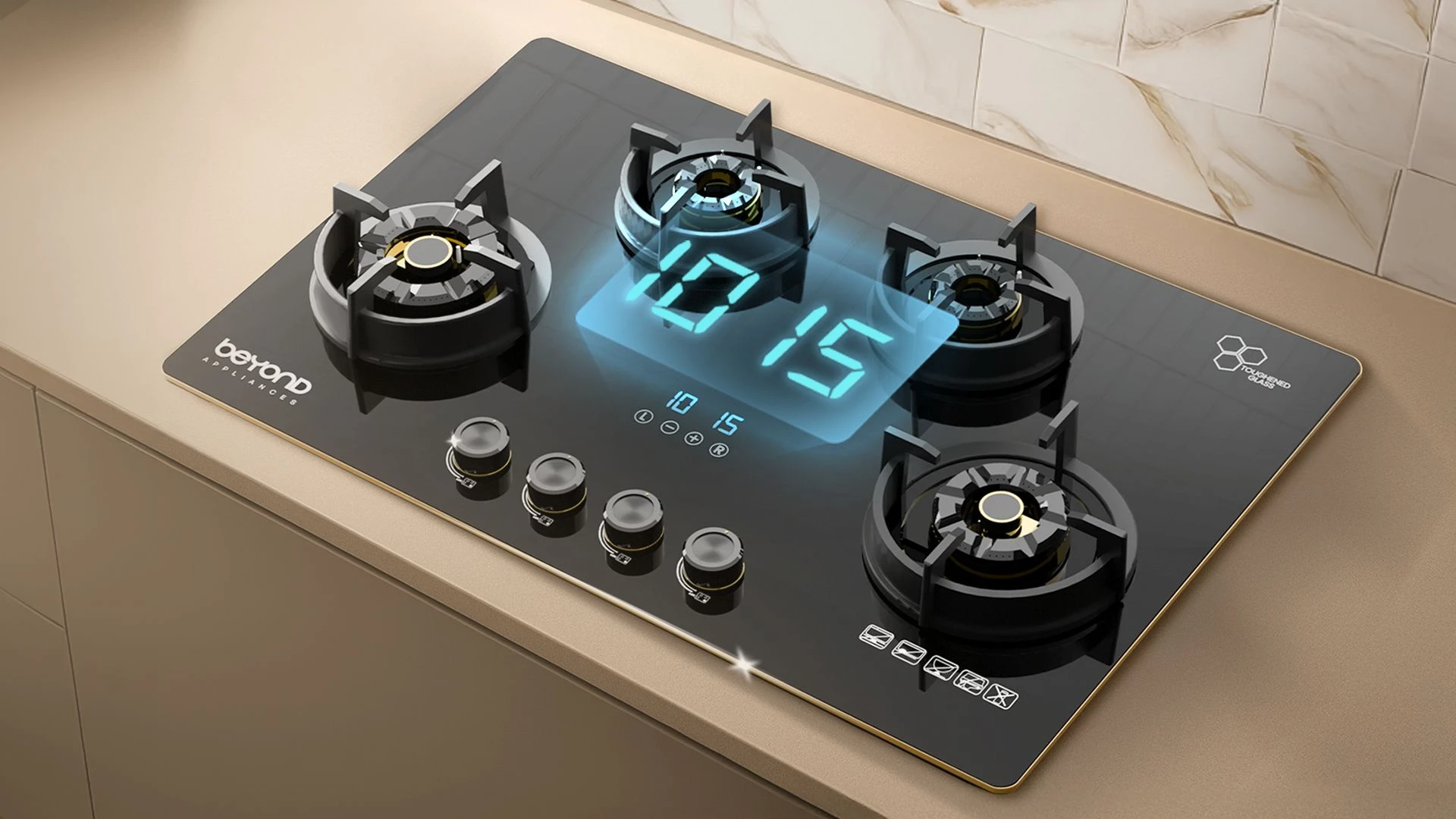
Modern kitchens demand more than just stylish appliances—they need smart technology that transforms how we cook. The evolution from basic gas stoves to sophisticated cooking systems with advanced ignition technology has revolutionized home cooking experiences. Today's electronic ignition systems offer precision, reliability, and efficiency that traditional mechanical systems simply cannot match. Understanding the benefits of modern ignition technology helps homemakers and cooking enthusiasts make informed decisions about their kitchen investments.
Modern ignition systems deliver consistent, reliable flame control that transforms everyday cooking into a professional experience. Electronic ignition provides instant, precise flame adjustment across all heat levels.
Electronic ignition systems offer superior control over flame intensity compared to traditional pilot lights. The precise spark timing ensures optimal gas-air mixture combustion, resulting in cleaner, more efficient burning. This technology eliminates the guesswork from temperature control, allowing home cooks to achieve restaurant-quality results.
Direct ignition technology eliminates the need for continuous pilot flames, reducing gas consumption by up to 30%. Each burner ignites independently when needed, ensuring no energy waste during non-cooking periods. This targeted approach to flame generation provides better heat distribution and faster cooking times.
Modern ignition technology significantly reduces gas consumption while maintaining optimal cooking performance. Smart ignition timing ensures complete fuel combustion, maximizing every unit of gas used.
Advanced ignition systems achieve over 90% fuel combustion efficiency by precisely controlling spark timing. Variable timing adjustments respond to different cooking requirements, ensuring optimal fuel usage whether simmering delicate sauces or achieving high-heat searing. This precision translates to measurable savings on monthly gas bills.
Modern cooktops integrate ignition control with flame monitoring systems. These smart features automatically adjust gas flow based on cooking requirements, preventing fuel waste from oversized flames. Integration with auto-shutoff systems further enhances efficiency by eliminating accidental gas consumption.
Electronic ignition systems eliminate many mechanical components that require regular maintenance and replacement. This reliability translates to lower long-term ownership costs and fewer service interruptions.
Unlike traditional systems with moving parts, electronic ignition has no contact points, springs, or mechanical components that wear over time. This design significantly extends service intervals and reduces the need for frequent repairs. Most electronic ignition systems operate reliably for years without requiring component replacement.
Modern ignition control systems include built-in diagnostic features that monitor performance and alert users to potential issues. These smart systems can detect ignition problems early, preventing complete system failures. Error indicators help identify specific issues, making troubleshooting faster and more accurate.
Advanced ignition technology contributes to cleaner indoor air quality and reduced environmental impact. Precise combustion control minimizes harmful emissions while maximizing cooking efficiency.
Electronic ignition ensures complete fuel combustion, reducing harmful emissions like carbon monoxide and unburned hydrocarbons. This cleaner burning process improves indoor air quality, especially important in modern homes with improved insulation. Reduced emissions also contribute to lower environmental impact from household cooking activities.
Modern ignition systems coordinate with kitchen ventilation to optimize air quality. Smart integration ensures proper exhaust timing, removing combustion byproducts efficiently. This coordination between ignition and ventilation systems creates healthier cooking environments for families.
Electronic ignition systems provide consistent performance regardless of environmental conditions. This reliability ensures dependable cooking capabilities throughout the year.
Electronic ignition maintains reliable operation in humid conditions, temperature variations, and altitude changes. Unlike mechanical systems that can be affected by moisture or temperature fluctuations, electronic systems deliver consistent spark strength. This reliability ensures successful ignition every time, regardless of weather conditions.
Statistical data shows electronic ignition systems have failure rates 75% lower than traditional mechanical systems. The absence of moving parts eliminates common failure points like worn contacts or spring fatigue. This improved reliability means fewer service calls and uninterrupted cooking experiences.
Modern ignition technology integrates seamlessly with smart kitchen systems, enabling automated cooking features and enhanced user control. This integration represents the foundation for future kitchen innovations.
Electronic ignition systems communicate with smart home platforms, enabling remote monitoring and control. Users can verify ignition status, receive alerts about cooking progress, and even troubleshoot issues remotely. This connectivity adds convenience and peace of mind for busy households.
Modern ignition systems provide the foundation for emerging cooking technologies like automated meal preparation and AI-assisted cooking. These systems adapt to user preferences, learning cooking patterns to optimize performance. Investment in advanced ignition technology ensures compatibility with future kitchen innovations.
Electronic ignition eliminates continuous gas consumption from pilot lights, reduces maintenance requirements, and provides more reliable flame control. Users save approximately 30% on gas costs while enjoying consistent ignition performance.
Advanced ignition systems provide precise flame control, complete fuel combustion, and instant heat adjustment. This precision allows for better temperature management, faster cooking times, and reduced energy waste during meal preparation.
Proper ignition timing ensures optimal gas-air mixture combustion, resulting in cleaner flames, better heat distribution, and improved fuel efficiency. Precise timing also reduces harmful emissions and extends equipment lifespan.
Electronic systems have fewer moving parts, operate consistently in various environmental conditions, and include self-diagnostic capabilities. These features result in significantly lower failure rates and reduced maintenance requirements.
Reduced gas consumption, lower maintenance requirements, and extended equipment lifespan contribute to significant cost savings. Electronic ignition systems typically pay for themselves through energy savings within the first year of use.
The benefits of modern ignition technology extend far beyond simple flame generation. From enhanced cooking performance and fuel efficiency to reduced maintenance and environmental impact, these systems represent a significant advancement in kitchen technology. Electronic ignition provides the precision, reliability, and smart integration that modern households demand. For homemakers seeking efficient, reliable cooking solutions, investing in appliances with advanced ignition technology ensures years of dependable performance and cost savings. The integration of these systems with smart home technology positions kitchens for future innovations while delivering immediate benefits in daily cooking experiences.
