

7 Essential Hybrid Cooktop Questions Answered
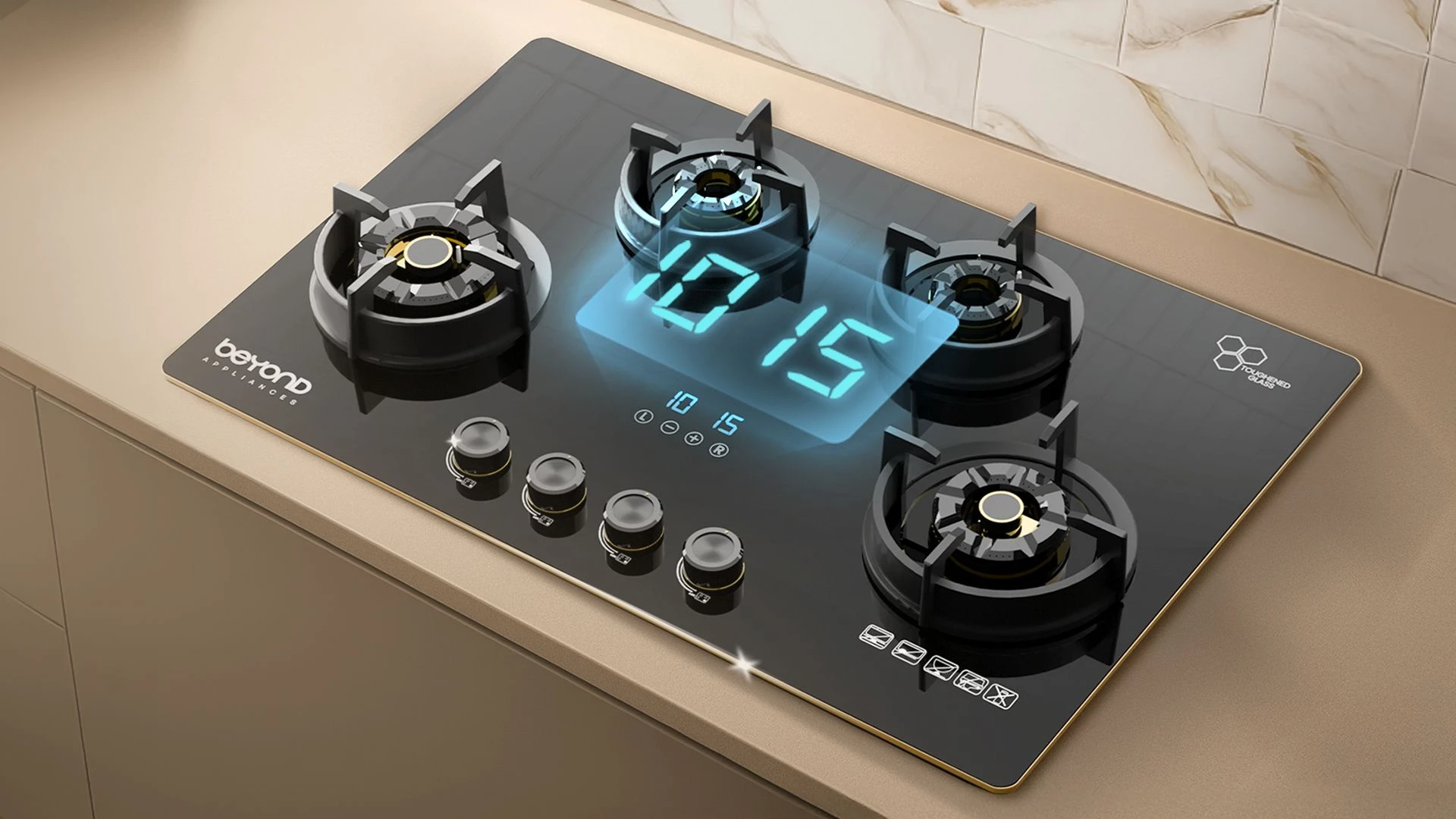
Choosing the right cooktop for your kitchen can feel overwhelming with so many options available today. Hybrid cooktops have emerged as a popular solution, combining the best features of different cooking technologies in one appliance. These versatile cooking surfaces offer the precision of induction heating alongside the familiar control of gas or electric burners. Whether you're renovating your kitchen or replacing an old cooktop, understanding how hybrid models work and what they offer can help you make the best decision for your cooking needs and lifestyle.
A hybrid cooktop combines two different cooking technologies in a single appliance, typically pairing induction zones with gas or electric burners. This design gives you the flexibility to choose the best heating method for each cooking task. The induction zones use electromagnetic fields to heat compatible cookware directly, while gas burners provide instant flame control that many home cooks prefer.
The technology behind hybrid cooktops is quite straightforward. Induction zones create a magnetic field that generates heat directly in ferromagnetic cookware, making them incredibly efficient and responsive. The gas or electric components work through traditional heating methods, giving you familiar cooking experiences when needed.
Most hybrid cooktops feature two to three induction zones paired with one or two gas burners. Some models combine induction with electric coil or radiant elements instead of gas. The layout typically places induction zones on one side and gas burners on the other, though some designs integrate them in different patterns.
Modern hybrid cooktops include digital controls for the induction zones and traditional knobs for gas burners. Safety features like automatic shut-off, child locks, and overheat protection are standard. Many models also offer timer functions and preset cooking programs for the induction zones.
When comparing hybrid cooktops to single-fuel alternatives, the versatility becomes immediately apparent. You get the best of both worlds without compromising on performance or convenience. The combination allows you to use any type of cookware and employ various cooking techniques in the same cooking session.
Induction zones heat up 50% faster than electric coils and offer precise temperature control that rivals gas. Gas burners provide instant visual feedback and work with all cookware types. Electric elements, when included, offer consistent heat distribution for tasks like simmering sauces.
Hybrid cooktops excel in versatility. You can use cast iron pans on induction zones for perfect searing, while simultaneously using aluminum or copper cookware on gas burners. This flexibility makes them ideal for households with diverse cooking styles and cookware collections.
While hybrid cooktops typically cost more upfront than single-fuel models, they can reduce long-term energy costs. Induction zones are highly efficient, converting 85-90% of energy into heat. Gas burners remain cost-effective for many cooking tasks, especially in areas with low natural gas prices.
Installing a hybrid cooktop requires both electrical and gas connections, making the installation more complex than single-fuel models. Professional installation is strongly recommended to ensure safety and proper operation. The electrical requirements typically include a dedicated 240V circuit for the induction components.
Most hybrid cooktops need a 240V electrical connection for the induction zones and a standard gas line for the burners. The electrical load typically ranges from 3,000 to 7,000 watts. Gas connections must meet local building codes and may require professional inspection.
Standard cutout dimensions range from 28 to 30 inches wide, though larger models are available. Adequate clearance around the cooktop is essential for safety and proper ventilation. Some countertop materials may require special consideration for heat resistance.
Given the dual utility connections required, professional installation is the safest option. Licensed technicians can ensure proper gas connections and electrical work that meets local codes. Many manufacturers require professional installation to maintain warranty coverage.
The beauty of hybrid cooktops lies in their cookware flexibility. While induction zones require magnetic cookware, the gas or electric burners work with virtually any pot or pan. This means you don't need to replace your entire cookware collection when upgrading to a hybrid model.
Magnetic cookware includes cast iron, carbon steel, and most stainless steel pieces. A simple magnet test can determine compatibility – if a magnet sticks to the bottom of your cookware, it will work on induction zones. Flat-bottomed pans provide the best contact and heating efficiency.
Gas burners work with all cookware materials, including aluminum, copper, and non-magnetic stainless steel. Heavy-bottomed pans distribute heat more evenly, while lightweight options heat up quickly for fast cooking tasks.
Investing in magnetic stainless steel cookware gives you maximum flexibility across all burner types. Look for pieces with thick, flat bottoms and sturdy construction. Quality cookware sets designed for induction use will perform excellently on gas burners too.
Selecting the right hybrid cooktop depends on your cooking habits, kitchen size, and budget. Consider how often you use different cooking methods and which features matter most to your daily cooking routine. The number and size of burners should match your typical meal preparation needs.
Most hybrid cooktops come in 30-inch widths, though 36-inch models offer more cooking zones. Consider your kitchen layout and how many burners you typically use simultaneously. Some compact models work well for smaller kitchens or as secondary cooking surfaces.
Look for responsive touch controls on induction zones and quality knobs for gas burners. Safety features like automatic shut-off and child locks are important for families. Some models offer smart connectivity for remote monitoring and control.
Research customer reviews and professional ratings when comparing models. Look for manufacturers that offer comprehensive warranties and reliable customer service. Extended warranty options can provide additional peace of mind for this significant kitchen investment.
Hybrid cooktops can actually be more energy-efficient overall. The induction zones are highly efficient, while you can choose the most cost-effective fuel for different cooking tasks.
Professional installation is recommended due to the dual utility connections required. This ensures safety and maintains warranty coverage.
Gas burners with pilot lights or electronic ignition may still work during power outages, though induction zones will not function without electricity.
Yes, most models include comprehensive safety features like child locks, automatic shut-off, and cool-to-touch induction surfaces.
Prices in India typically range from INR 25,000 to INR 80,000, depending on size, features, and brand quality.
Hybrid cooktops represent an excellent compromise for households that want cooking flexibility without sacrificing performance. They allow you to enjoy the precision and efficiency of induction cooking while maintaining the familiar control and versatility of gas burners. While the initial investment and installation complexity are higher than single-fuel alternatives, the long-term benefits in cooking versatility and energy efficiency make them a worthwhile consideration for serious home cooks. Take time to evaluate your cooking habits, kitchen setup, and budget to determine if a hybrid cooktop aligns with your needs and culinary goals.
