

13 Ways to Compare Cooktop Stoves for Your Kitchen
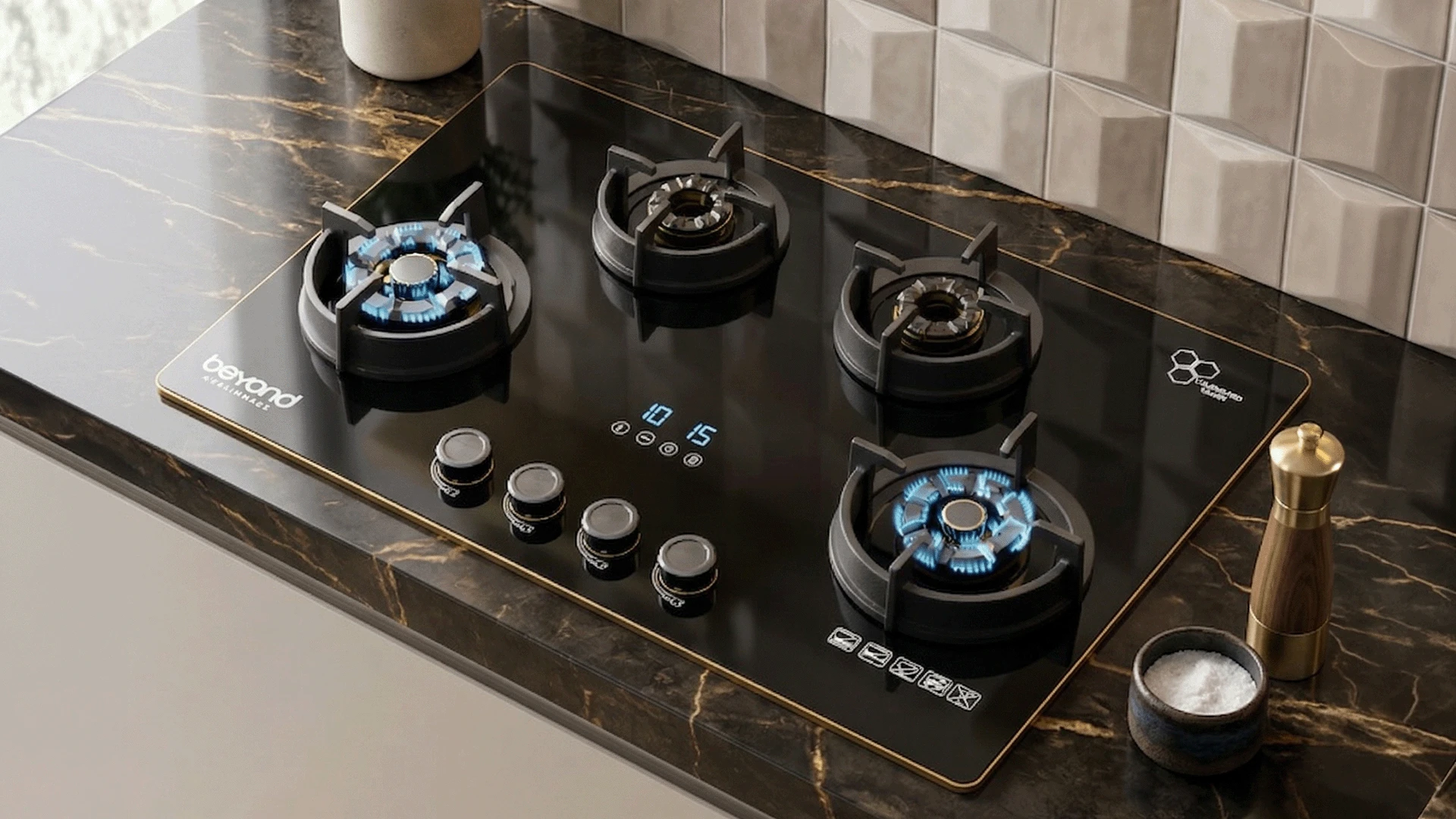
Choosing the right cooktop stove transforms your cooking experience and kitchen efficiency. With numerous options available—from gas to induction to electric models—making an informed decision requires understanding key comparison factors. Modern cooktops offer advanced features like smart timers, energy-saving technology, and enhanced safety mechanisms that go beyond basic cooking functions. Whether you're upgrading an existing kitchen or setting up a new one, knowing how to compare cooktop stoves ensures you invest in an appliance that matches your cooking style, kitchen layout, and budget requirements.
Compare cooktop stoves across 13 essential factors including fuel type, burner configuration, safety features, energy efficiency, and installation requirements
Gas cooktops offer instant heat control and work with all cookware, while induction models provide superior energy efficiency and precise temperature control
Consider your cooking habits, kitchen space, budget, and long-term operating costs when making your final decision
The foundation of any cooktop comparison starts with understanding different fuel types and their performance characteristics. Each option offers distinct advantages that suit different cooking preferences and kitchen setups.
Gas cooktops provide instant heat control with visible flame indicators that allow precise temperature adjustments. Professional chefs prefer gas for its responsive heat changes and compatibility with all cookware materials. The operating costs remain relatively low, especially for frequent cooking. However, gas cooktops require proper ventilation and regular cleaning of burner components.
Electric cooktops offer consistent heat distribution and easy maintenance with smooth surfaces. They integrate seamlessly into modern kitchen designs and provide even cooking temperatures. The heating elements take longer to heat up and cool down compared to gas, which affects cooking responsiveness. Electric models work well for slow cooking and maintaining steady temperatures.
Induction cooktops deliver superior energy efficiency, converting up to 85% of energy directly to heat compared to 40% for gas. They offer precise temperature control and rapid heating speeds. Safety features include cool-to-touch surfaces and automatic pan detection. The main limitation involves cookware compatibility, requiring magnetic-bottom pots and pans.
Burner arrangement significantly impacts cooking efficiency and kitchen workflow. Understanding different configurations helps match your cooktop to your cooking patterns and available counter space.
Two-burner cooktops suit small kitchens, studio apartments, or secondary cooking areas. They offer space-saving benefits while providing adequate cooking capacity for small families. These models typically feature one high-power burner for quick cooking and one standard burner for simmering.
Three-burner configurations provide optimal balance between cooking capacity and counter space usage. The Beyond Appliances Dorado Gas Hob offers this configuration with features like Smart Timer functionality and Flame Failure Device protection. This layout typically includes varied burner sizes for different cooking needs.
Four-burner cooktops accommodate larger families and extensive cooking requirements. Models like the Beyond Appliances Altair Gas Hob feature premium four-burner layouts with specialized burners including jumbo options for large cookware. These configurations often include varied heat outputs ranging from gentle simmering to high-power cooking.
Modern cooktops incorporate advanced safety mechanisms that prevent accidents and ensure secure operation. These features have become standard expectations rather than premium additions.
Flame Failure Devices automatically cut gas supply when flames extinguish unexpectedly. This critical safety feature prevents gas leaks and potential hazards. Beyond Appliances incorporates FFD technology across their range, including models like the Quantum Gas Saver Stove, ensuring consistent protection during cooking.
Automatic ignition eliminates the need for matches or lighters, providing convenient and safe flame lighting. These systems use either electric spark or battery-powered mechanisms. Some models feature one-touch ignition across all burners simultaneously.
Electric and induction cooktops include overheating protection that automatically shuts down heating elements when temperatures exceed safe limits. Child safety locks prevent accidental activation, while residual heat indicators warn when surfaces remain hot after cooking.
Long-term operating costs significantly impact the total ownership expense of your cooktop. Understanding energy efficiency ratings helps predict monthly utility expenses and environmental impact.
Traditional gas cooktops operate at approximately 40-50% efficiency, with significant heat loss to surrounding air. However, gas prices often remain lower than electricity costs, making them economical for frequent cooking. The Beyond Appliances Quantum Gas Saver Stove achieves 77% energy efficiency through HEXA Technology, potentially saving up to two gas cylinders annually.
Induction cooktops lead in energy efficiency, converting 85-90% of electrical energy directly to heat. Electric radiant cooktops achieve 65-70% efficiency. While electricity costs more per unit than gas, the superior efficiency of induction often balances operating expenses, especially for moderate cooking usage.
Consider the source of your local electricity when evaluating environmental impact. Gas produces direct emissions at the point of use, while electric cooktops' environmental impact depends on power generation methods. Induction cooktops minimize overall energy consumption regardless of power source.
Control mechanisms affect daily usability and cooking precision. Modern cooktops offer various interface options that cater to different user preferences and technical comfort levels.
Rotary knobs provide tactile feedback and intuitive operation. They offer reliable performance without electronic components that might fail. Professional-style knobs often feature precise graduation marks for consistent temperature settings.
Digital interfaces enable precise temperature and timing control. Smart timers, like those found in Beyond Appliances models such as the Solaria Gas Cooktop, provide automatic shut-off functionality for enhanced safety and cooking convenience. Some models include preset cooking programs for common dishes.
Touch-sensitive controls offer sleek aesthetics and easy cleaning. They typically include digital displays showing temperature, timer settings, and power levels. These systems may include child locks and gesture controls for hands-free operation.
Installation complexity and requirements vary significantly between cooktop types. Understanding these factors helps plan your kitchen renovation or upgrade project effectively.
Gas cooktops require proper gas line connections and adequate ventilation for safe operation. Professional installation ensures compliance with local codes and safety standards. Consider existing gas infrastructure and potential modification costs.
Electric and induction cooktops need dedicated electrical circuits with appropriate amperage ratings. High-power models may require 240-volt connections. Electrical upgrades can add significant installation costs to your project budget.
Built-in cooktops require precise cutout dimensions and proper support structures. Some models like the Beyond Appliances Auriga Gas Cooktop offer tabletop flexibility, eliminating modification requirements. Consider ventilation clearances and heat protection for surrounding cabinetry.
Cooktop dimensions and aesthetic elements must harmonize with your kitchen layout and design preferences. These factors influence both functionality and visual appeal.
Most cooktops follow standard width measurements of 60cm, 75cm, or 90cm. Compact models suit smaller kitchens, while larger units accommodate extensive cooking needs. Consider counter space availability and proportion to other kitchen elements.
Stainless steel offers durability and professional appearance but shows fingerprints easily. Glass surfaces provide modern aesthetics and easy cleaning but require careful handling. Cast iron supports, featured in models like the Beyond Appliances Dorado Gas Hob, offer superior stability and heat retention.
Beveled edges create seamless integration with countertops, while raised edges contain spills. Consider how the cooktop edge design affects cleaning and visual continuity with your kitchen design theme.
Manufacturer reputation and after-sales support significantly impact long-term satisfaction with your cooktop investment. These factors become crucial when service or repairs are needed.
Comprehensive warranties indicate manufacturer confidence in product quality. Beyond Appliances offers varying warranty terms across their range, including 2-year comprehensive coverage with extended 5-year glass warranties on models like the Solaria Gas Cooktop. Some premium models include 10-year warranties on specific components.
Local service availability affects maintenance convenience and repair costs. Established brands typically maintain broader service networks with readily available spare parts. Consider service response times and technician expertise in your area.
User experiences provide valuable insights into real-world performance and reliability. Look for consistent feedback patterns regarding durability, performance, and service quality across multiple review platforms.
Cooktop prices vary dramatically based on features, materials, and brand positioning. Understanding value propositions helps identify the best option within your budget constraints.
Budget cooktops ranging from ₹2,000 to ₹8,000 typically offer basic functionality without advanced features. Models like the Beyond Appliances Auriga Gas Cooktop provide essential safety features including FFD and digital timers at accessible price points.
Mid-range cooktops from ₹8,000 to ₹25,000 balance features and affordability. These models often include smart timers, premium materials, and enhanced safety systems. The Beyond Appliances Quantum Gas Saver Stove exemplifies this category with 5-star energy ratings and advanced efficiency technology.
High-end cooktops exceeding ₹25,000 feature professional-grade components, advanced control systems, and premium aesthetics. Models like the Beyond Appliances Altair Gas Hob offer jumbo burners, premium build quality, and extended warranty coverage.
Modern cooktops incorporate innovative features that enhance cooking convenience and safety. These technologies often justify premium pricing through improved functionality.
Intelligent timing systems provide automatic shut-off functionality and cooking reminders. These features prevent overcooking and enhance safety by eliminating forgotten burners. Smart timers can include multiple independent timers for different burners.
Advanced models include energy consumption monitoring and efficiency optimization features. Some cooktops provide real-time feedback on energy usage and suggest optimal cooking settings for different dishes.
Smart cooktops may offer smartphone connectivity for remote monitoring and control. These features enable preheating, timer management, and cooking notifications through dedicated mobile applications.
Induction cooktops offer the highest energy efficiency at 85-90%, followed by electric radiant cooktops at 65-70%, and gas cooktops at 40-50%. However, models like the Beyond Appliances Quantum Gas Saver Stove achieve 77% efficiency through advanced technology, making them competitive with electric options.
Consider your cooking style, existing kitchen infrastructure, and cookware compatibility. Gas provides instant heat control and works with all cookware, while induction offers superior efficiency and safety but requires magnetic cookware. Evaluate installation costs and long-term operating expenses for your specific situation.
Essential safety features include Flame Failure Devices for gas cooktops, auto-ignition systems, overheating protection, and child safety locks. Beyond Appliances incorporates FFD technology across their range to automatically cut gas supply if flames extinguish unexpectedly.
Warranty coverage indicates manufacturer confidence and protects your investment. Look for comprehensive coverage including parts, labor, and specific component warranties. Extended warranties on critical components like glass surfaces or burners provide additional value and peace of mind.
Consider existing utility connections, ventilation requirements, and counter modification needs. Gas cooktops need proper gas lines and ventilation, while electric models require adequate electrical capacity. Some models offer tabletop flexibility, eliminating installation complexity.
Comparing cooktop stoves effectively requires evaluating multiple factors including fuel type, safety features, energy efficiency, and installation requirements. Gas cooktops excel in heat control and cookware compatibility, while induction models lead in efficiency and safety. Consider your cooking habits, kitchen infrastructure, and budget when making your decision. Modern cooktops like those from Beyond Appliances combine traditional cooking performance with smart features such as automatic timers and advanced safety systems. Prioritize essential safety features, evaluate long-term operating costs, and choose a reputable brand with strong service support. The right cooktop investment enhances your cooking experience while providing years of reliable performance in your kitchen.
