

Why Mineralisation Matters in Your Water Purifier
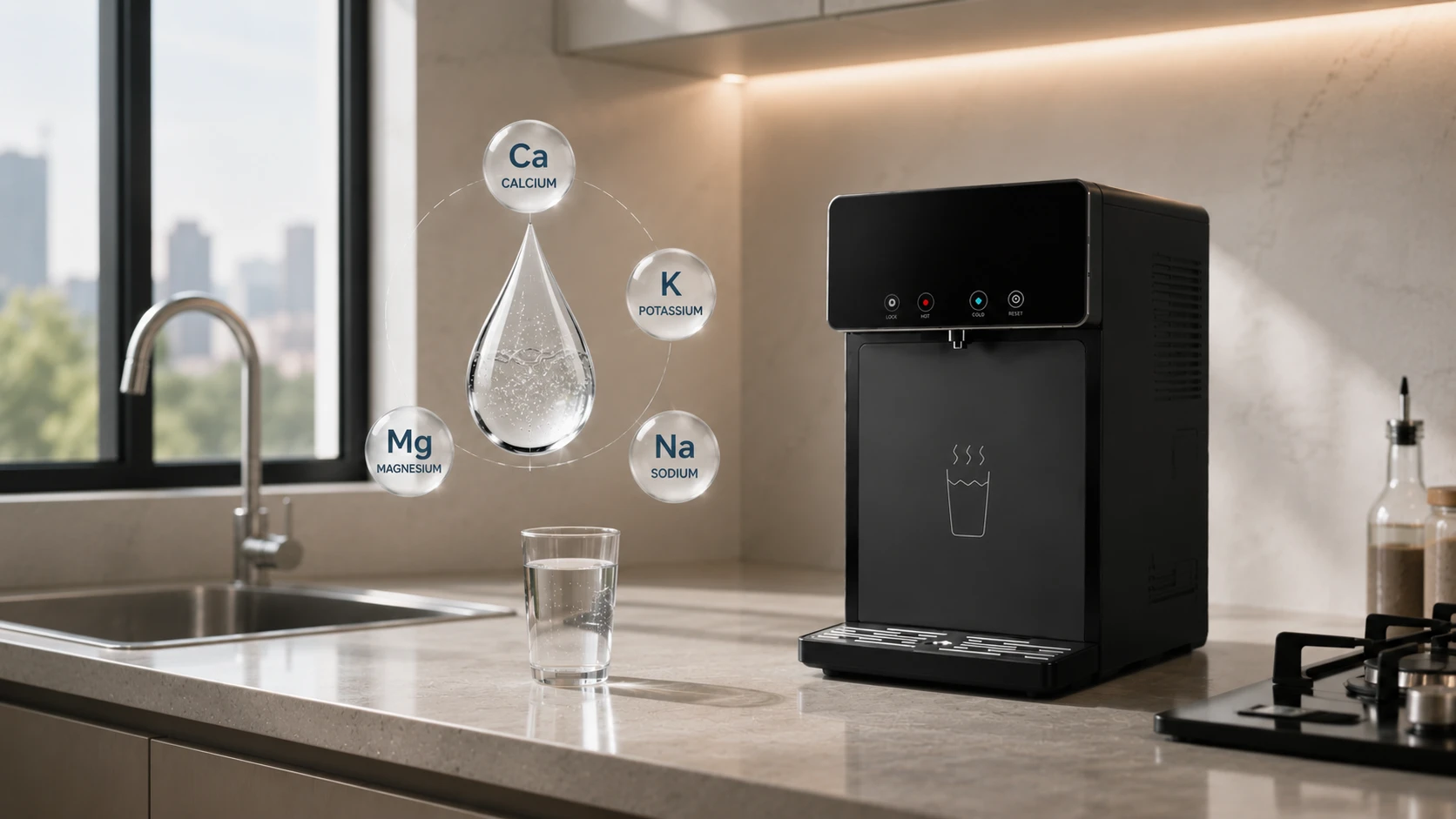
Water purification has become essential in Indian households, with RO systems leading the market. However, while these systems excel at removing contaminants, they also strip away beneficial minerals like calcium, magnesium, and potassium. This creates a hidden health concern that many families overlook. The importance of mineralisation in water purifier systems extends beyond basic filtration—it's about maintaining the delicate balance between purity and nutrition. Recent studies from the Indian Council of Medical Research (2024) indicate that prolonged consumption of demineralized water may contribute to mineral deficiencies, particularly in children and elderly populations. Understanding why mineralisation matters isn't just about choosing the right water purifier; it's about safeguarding your family's long-term health while ensuring optimal hydration and mineral intake.
Water mineralisation refers to the process of adding essential minerals back into purified water after contaminants have been removed. This process becomes crucial when using reverse osmosis (RO) systems, which eliminate both harmful substances and beneficial minerals during filtration.
Natural water sources contain dissolved minerals that our bodies require for optimal function. When water undergoes intensive purification, these minerals are stripped away, leaving behind what experts call "hungry water"—H2O that lacks the mineral content necessary for proper cellular function and taste.
RO systems remove approximately 95-99% of dissolved minerals, including:
Calcium - Vital for bone health and muscle function
Magnesium - Essential for heart health and enzyme function
Potassium - Crucial for nerve transmission and blood pressure regulation
Sodium - Necessary for fluid balance and nerve function
Bicarbonates - Important for pH balance and digestion
The World Health Organization's 2024 report highlights several concerns with long-term consumption of demineralized water:
Increased risk of mineral deficiencies
Potential cardiovascular issues
Reduced electrolyte balance
Poor taste and reduced water consumption
Possible impact on bone density over time
The benefits of mineralized water extend far beyond basic hydration, offering comprehensive health advantages that impact every system in your body. Research conducted by the All India Institute of Medical Sciences (2024) demonstrates that mineralized water consumption leads to better mineral absorption rates compared to taking supplements alone.
Mineralized water provides bioavailable minerals in their most natural form, making them easier for your body to absorb and utilize. This enhanced bioavailability means your cells receive essential nutrients more efficiently, supporting everything from bone development to cardiovascular health.
Minerals in water act as natural electrolytes, facilitating better cellular hydration. When water contains appropriate mineral levels, it:
Improves cellular water uptake by maintaining proper osmotic pressure
Enhances nutrient transport across cell membranes
Supports optimal pH balance in bodily fluids
Increases water retention at the cellular level
Boosts energy levels through improved metabolic function
Long-term consumption of mineralized water contributes significantly to:
Calcium absorption - Supporting bone density and preventing osteoporosis
Magnesium intake - Reducing blood pressure and supporting heart rhythm
Potassium balance - Maintaining healthy blood pressure levels
Reduced cardiovascular risk - Studies show 10-15% lower heart disease risk
Better muscle function - Essential for both cardiac and skeletal muscle health
RO water mineral deficiency represents a growing health concern in Indian households, where RO systems have become the primary water purification method. The process that makes RO so effective at removing contaminants also creates water that's essentially "too pure" for optimal human consumption.
When you consume demineralized water regularly, your body attempts to balance its mineral content by drawing minerals from internal stores—primarily bones and teeth. This process, called "leaching," can gradually deplete your body's mineral reserves, leading to deficiencies that may not become apparent for months or years. The Indian Dietetic Association's 2024 guidelines now recommend that families using RO systems ensure mineral replenishment through either water remineralization or increased dietary mineral intake.
Common symptoms that may indicate mineral deficiency include:
Fatigue and weakness - Often the first noticeable sign
Muscle cramps or spasms - Particularly during physical activity
Irregular heartbeat - Due to electrolyte imbalance
Bone pain or dental issues - From calcium depletion
Poor wound healing - Related to zinc and magnesium deficiency
Reduced immunity - Connected to overall mineral status
Extended consumption of demineralized water may contribute to:
Osteoporosis development - Particularly in post-menopausal women
Cardiovascular complications - Including hypertension
Metabolic disorders - Affecting enzyme function
Growth issues in children - Due to inadequate mineral intake
Increased susceptibility to infections - From compromised immune function
Water purifier mineral filters represent the technological solution to RO water's mineral deficiency problem. These specialized filters work through a process called controlled mineral addition, where specific minerals are reintroduced to purified water in optimal concentrations.
Modern mineral filters use various technologies including mineral cartridges containing natural mineral stones, alkaline filters that adjust pH while adding minerals, and advanced TDS (Total Dissolved Solids) controllers that maintain ideal mineral levels. The process ensures that water retains its purity while regaining essential mineral content. The technology behind these filters has evolved significantly, with 2024 models featuring smart mineral dosing systems that can adjust mineral content based on source water quality and family requirements.
Current mineral filter systems include:
Natural mineral cartridges - Using coral calcium and mineral stones
Alkaline mineral filters - Adding calcium, magnesium, and potassium
TDS controllers - Maintaining optimal mineral balance
Post-RO mineral addition - Adding minerals after purification
Smart mineral dosing - Automatic adjustment based on water quality
Mineral filters require:
Professional installation - Ensuring proper integration with existing systems
Regular cartridge replacement - Typically every 6-12 months
Water quality monitoring - Checking TDS levels monthly
System calibration - Annual professional servicing
Filter compatibility checks - Ensuring proper fit with your RO system
Selecting the right mineralization system requires understanding your family's specific needs, water quality, and budget considerations. The Indian market offers numerous options, with prices ranging from INR 2,000 for basic mineral cartridges to INR 15,000 for advanced smart mineralization systems.
Key factors to evaluate include your current water source quality, family size, health requirements, and existing purification system compatibility. The Bureau of Indian Standards (2024) recommends TDS levels between 150-300 mg/L for optimal mineral content, providing a benchmark for system selection. Consider systems that offer adjustable mineral levels, allowing customization based on seasonal changes in source water quality and family health needs.
Priority features include:
Adjustable TDS control - Allowing customization of mineral levels
Multi-stage mineralization - Adding different minerals at optimal ratios
Smart monitoring systems - Tracking water quality and filter life
Easy maintenance design - Simple cartridge replacement process
Certification compliance - NSF, ISI, or equivalent quality standards
Compatibility assurance - Works with your existing RO system
Investment considerations include:
Initial system cost - INR 3,000-12,000 for quality systems
Annual maintenance - INR 1,500-3,000 for cartridge replacements
Energy efficiency - Systems with minimal power consumption
Long-term health savings - Reduced medical costs from mineral deficiencies
Water taste improvement - Enhanced palatability encouraging better hydration
Yes, mineralized water is generally safe and beneficial for children over 6 months. However, consult your pediatrician before introducing mineralized water to infants, as their mineral requirements differ from adults. The Indian Academy of Pediatrics recommends mineralized water for children consuming more than 500ml of purified water daily.
Quality mineralization systems range from INR 2,500 for basic mineral cartridges to INR 15,000 for advanced smart systems. Annual maintenance costs typically range from INR 1,500-3,000, making mineralization more cost-effective than buying bottled mineral water long-term.
Yes, most RO systems can accommodate mineral addition through post-RO mineral cartridges or TDS controllers. Consult your system manufacturer or a water treatment professional to ensure compatibility and proper installation.
Optimal TDS levels range from 150-300 mg/L for drinking water. Use a TDS meter for regular monitoring, and consider professional testing annually for comprehensive mineral analysis. Smart mineralization systems provide continuous monitoring and alerts.
Natural mineralization uses mineral stones and coral calcium to add minerals gradually, while artificial systems inject specific mineral solutions. Both methods are safe and effective, with natural systems often providing more balanced mineral profiles.
Most mineral cartridges require replacement every 6-12 months, depending on water usage and source quality. Smart systems alert users when replacement is needed, while traditional systems should be monitored monthly for performance changes.
Understanding the importance of mineralisation in water purifier systems is crucial for maintaining optimal family health while enjoying the benefits of pure, safe drinking water. The evidence clearly demonstrates that while RO systems excel at removing contaminants, they also eliminate essential minerals that our bodies require for proper function.
The benefits of mineralized water extend beyond basic hydration, supporting cardiovascular health, bone density, and overall cellular function. Addressing RO water mineral deficiency through proper mineralization systems ensures your family receives both pure and nutritionally complete water. Modern water purifier mineral filters offer affordable, effective solutions that integrate seamlessly with existing RO systems, providing the perfect balance between safety and nutrition for your family's daily hydration needs.
