

Why Mild Cleaners Matter: Your Home's Health Guide
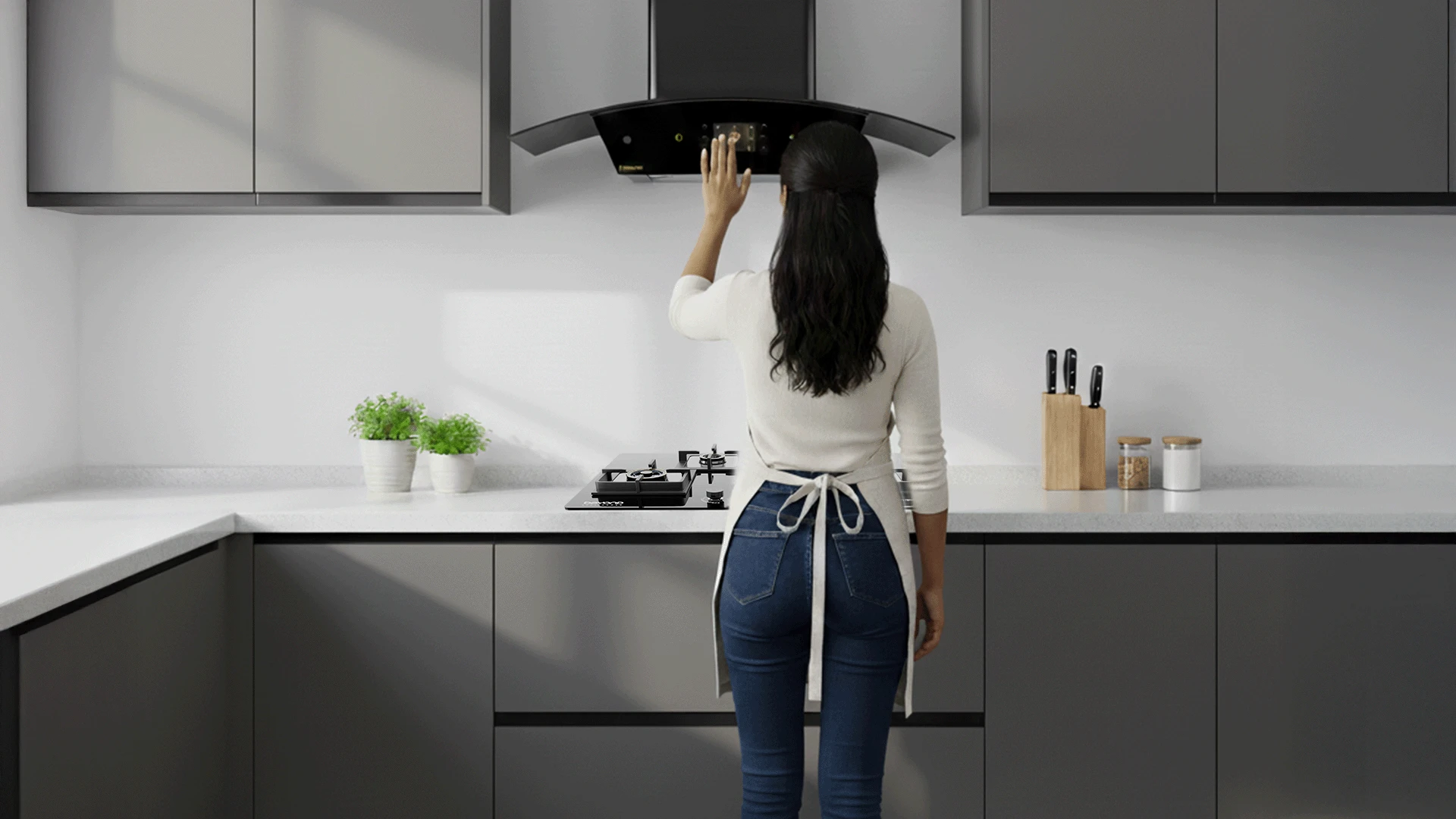
Your home should be a sanctuary of health and comfort, yet many households unknowingly compromise their family's wellbeing through the cleaning products they choose. The importance of using mild cleaners extends far beyond simple surface cleaning—it's about creating a safer, healthier environment for everyone who lives in your space. Modern homes face increasing challenges from indoor air pollution, chemical sensitivities, and environmental toxins that can accumulate over time. Understanding how gentle cleaning products protect your family while maintaining effective cleanliness is essential for every homeowner who values both health and hygiene.
Conventional cleaning products often contain a cocktail of chemicals that can pose serious health risks to your family. These products may clean effectively, but they leave behind invisible residues and fumes that continue affecting your home's air quality long after cleaning is complete.
Many household cleaners contain ammonia, chlorine bleach, phosphates, and volatile organic compounds (VOCs) that can trigger respiratory problems and skin irritation. These harsh chemicals can cause immediate reactions like coughing, sneezing, and eye irritation, while long-term exposure may contribute to more serious health issues.
Chemical-free cleaning methods eliminate the release of harmful vapors that can linger in your home for hours or even days. When you choose non-toxic household cleaners, you're reducing the chemical load in your living spaces, which is particularly important in homes with poor ventilation or where family members spend most of their time indoors.
Studies have shown that regular exposure to harsh cleaning chemicals can worsen asthma symptoms and contribute to the development of respiratory sensitivities. Children and elderly family members are especially vulnerable to these effects, making the switch to gentler alternatives a crucial health decision.
Not all cleaning products are created equal, and understanding the difference between truly gentle cleaning products and those that simply claim to be mild can help you make better choices for your home. The key lies in understanding ingredients, pH levels, and manufacturing processes.
Genuine gentle cleaning products use plant-based surfactants, natural enzymes, and biodegradable ingredients that clean effectively without harsh chemical reactions. Unlike conventional cleaners that rely on aggressive chemicals to break down dirt and grime, mild cleaners work through gentler mechanisms that are safer for both humans and the environment.
Mild cleaners typically maintain a neutral to slightly alkaline pH, which is less likely to cause skin irritation or damage surfaces. This balanced approach proves that effective cleaning doesn't require extreme chemical conditions that can harm your family or your home's finishes.
Natural cleaning alternatives like vinegar, baking soda, and plant-based soaps have proven their effectiveness over generations. These ingredients work through natural chemical processes that break down dirt and eliminate odors without introducing synthetic toxins into your living environment.
Hypoallergenic cleaners are formulated to minimize allergic reactions by avoiding common irritants like synthetic fragrances, dyes, and harsh preservatives. However, it's important to read ingredient lists carefully, as marketing terms can sometimes be misleading.
Making the transition to eco-friendly cleaning solutions offers immediate and long-term health benefits that extend to every member of your household. These advantages become more pronounced over time as your home's chemical load decreases and air quality improves.
Mild cleaners significantly reduce the risk of contact dermatitis, eczema flare-ups, and other skin sensitivities. Family members with existing skin conditions often notice improvement within weeks of switching to gentler cleaning products.
Children and pets are more vulnerable to chemical exposure due to their size, developing systems, and tendency to touch surfaces and put things in their mouths. Safe cleaning ingredients provide peace of mind when little ones are crawling on floors or playing in recently cleaned areas.
Reducing chemical exposure in your home may contribute to better respiratory health, fewer headaches, and improved overall wellbeing. Many families report sleeping better and experiencing fewer allergy symptoms after transitioning to healthy home cleaning practices.
Gentle cleaners don't release harsh fumes or leave chemical residues that continue off-gassing after use. This improvement in air quality is particularly beneficial in homes with limited ventilation or in areas where cooking and cleaning happen frequently, such as kitchens with range hoods and chimneys.
Different areas of your home have unique cleaning needs, but all can benefit from gentler approaches that maintain effectiveness while prioritizing health and safety. Understanding which products work best in each space helps you create a comprehensive mild cleaning system.
Mild dish soap effectively cuts through grease and food residues without leaving chemical residues on dishes, cookware, or surfaces where food is prepared. This is especially important in kitchens where proper ventilation from range hoods and chimneys helps remove cooking odors but shouldn't have to combat additional chemical fumes from cleaning products.
Bathrooms require products that can handle soap scum, mineral deposits, and moisture-related issues without creating harsh chemical environments in enclosed spaces. Enzyme-based cleaners and natural acid solutions like vinegar work effectively while maintaining air quality.
The best gentle all-purpose cleaner for living spaces should handle dust, fingerprints, and everyday messes without leaving residues on furniture or creating airborne irritants. Plant-based formulations with natural surfactants provide excellent cleaning power while maintaining safety.
Sleeping areas require the gentlest cleaning approaches, as family members spend 6-8 hours breathing the air in these spaces. Fragrance-free, hypoallergenic products ensure that cleaning doesn't interfere with rest or respiratory health.
Yes, gentle cleaning products can be just as effective as harsh chemicals when used properly. They work through different mechanisms—using enzymes, natural acids, and plant-based surfactants rather than aggressive chemicals. While they may require slightly longer contact time or more physical action, they achieve the same cleanliness without health risks.
Avoid products containing ammonia, chlorine bleach, phosphates, synthetic fragrances, phthalates, and volatile organic compounds (VOCs). Look for products with safe cleaning ingredients like plant-based surfactants, natural enzymes, and essential oils for fragrance.
Read ingredient lists carefully and look for third-party certifications from organizations like EPA Safer Choice or Green Seal. Truly non-toxic household cleaners will list all ingredients and avoid vague terms like "fragrance" or "surfactants" without specifying their source.
Yes, many natural cleaning alternatives have antimicrobial properties. Alcohol-based cleaners, hydrogen peroxide, and certain essential oils can effectively eliminate germs while maintaining gentleness. Hot water and soap also remove most bacteria and viruses through physical action.
Eco-friendly cleaning solutions focus on environmental impact and biodegradability, while natural cleaners emphasize plant-based or mineral-derived ingredients. Some products may be natural but not necessarily eco-friendly, or vice versa. The best products combine both qualities.
For families with allergies, asthma, or sensitive skin, hypoallergenic cleaners are definitely worth the investment. The cost difference is often minimal when compared to potential medical expenses or the discomfort caused by reactions to harsh chemicals.
Mild cleaners typically have lower environmental impact because they use biodegradable ingredients, require less energy to produce, and don't contribute to water pollution. They also reduce indoor air pollution, creating healthier environments for both families and communities.
Hydrogen peroxide, white vinegar, and oxygen bleach are excellent natural cleaning alternatives to chlorine bleach. These options provide whitening and disinfecting properties without the harsh fumes or chemical residues associated with conventional bleach.
The importance of using mild cleaners extends far beyond personal preference—it's a fundamental choice that affects your family's health, your home's air quality, and the environment. By choosing gentle cleaning products and eco-friendly cleaning solutions, you're investing in a safer, healthier future for everyone in your household. The transition to milder cleaning methods doesn't require sacrificing cleanliness or effectiveness. Instead, it offers an opportunity to create a truly healthy home environment where your family can thrive without exposure to unnecessary chemical risks.
