

What Is a Metallic Oil Collector in Chimneys?
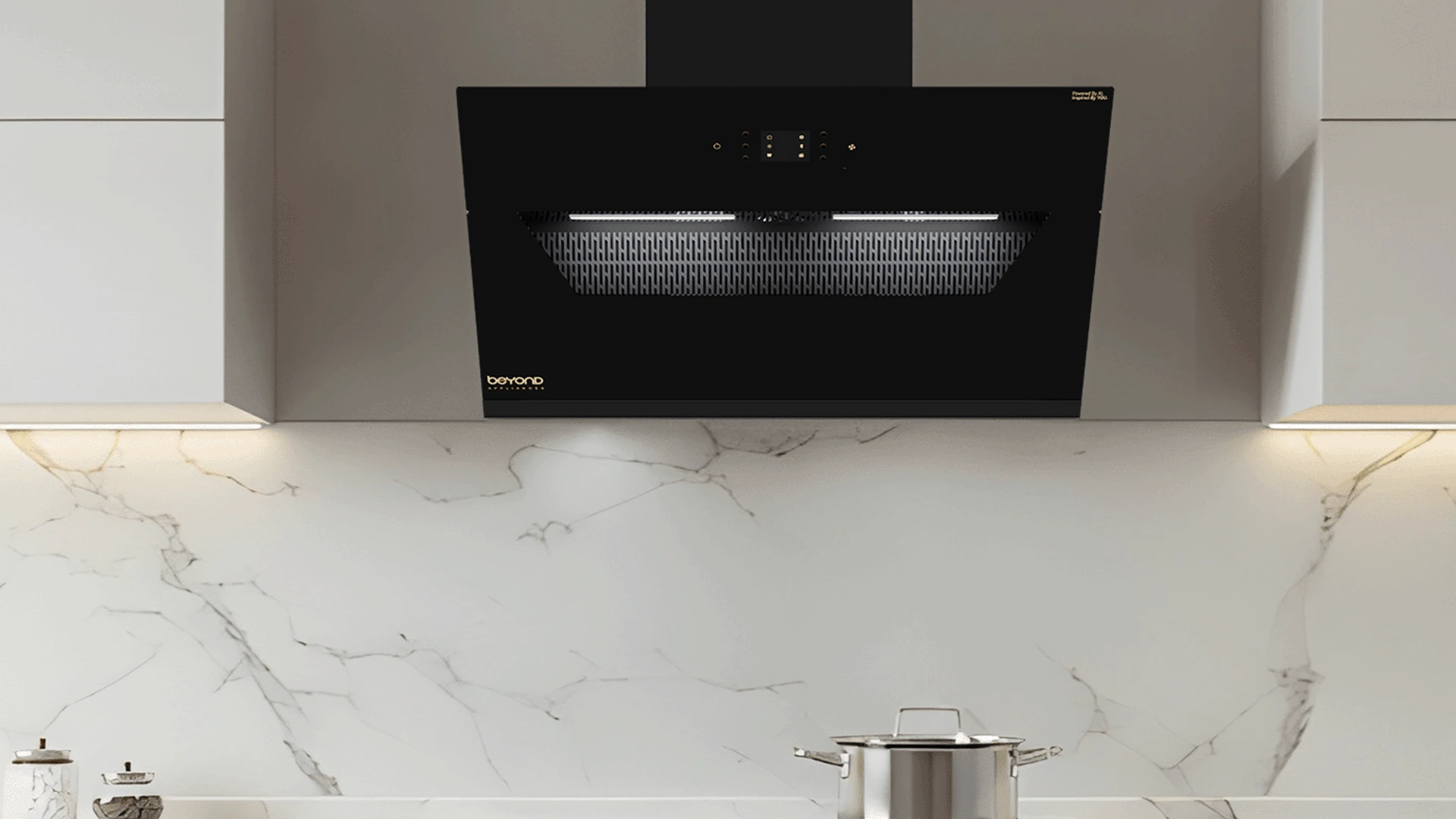
Modern kitchens demand efficient ventilation systems to maintain clean air and healthy cooking environments. A crucial component often overlooked in kitchen chimney systems is the metallic oil collector. This specialized grease collection system plays a vital role in capturing oil residue and maintaining optimal kitchen ventilation. Understanding how these components work helps homeowners make informed decisions about their kitchen chimney maintenance and overall cooking space health.
A metallic oil collector is a specialized component within kitchen chimney systems designed to capture and contain grease particles and oil vapors during cooking. This essential grease collection system prevents oil residue from accumulating in chimney ducts and maintains efficient airflow throughout your kitchen ventilation system.
The primary purpose of these collectors extends beyond simple filtration. They serve as the first line of defense against grease buildup, protecting both your chimney's internal components and your kitchen's air quality. By effectively trapping oil particles, these systems contribute significantly to healthy kitchen living practices.
The grease trap mechanism operates through a multi-stage filtration process. As cooking vapors rise through the chimney, they encounter the metallic surface where oil particles condense and collect. This process prevents oil residue from traveling further into the ventilation system.
Several varieties of chimney oil collectors are available, each designed for specific cooking needs and chimney configurations. Stainless steel collectors offer superior durability and corrosion resistance, making them ideal for heavy-duty kitchen use. Aluminum options provide cost-effective solutions for moderate cooking environments.
Baffle filter designs feature angled metal plates that create turbulence in airflow, forcing grease particles to separate and collect. Mesh-type systems use fine metallic screens to trap oil droplets, while cassette-style collectors offer easy removal for cleaning and maintenance.
Size considerations depend on your cooking frequency and chimney capacity. Larger collectors handle more oil volume but require more storage space. Material durability directly impacts long-term performance and replacement costs.
Effective grease collection systems provide multiple advantages for healthy kitchen living. Fire safety improves significantly when oil residue is properly contained rather than accumulating in ductwork. Clean air circulation enhances the cooking environment and reduces health risks associated with airborne grease particles.
Energy efficiency increases when chimney systems operate without grease obstruction. Clean filters maintain optimal suction power, reducing motor strain and electricity consumption. Equipment longevity extends when internal components remain free from oil buildup and corrosion.
Proper grease filtration eliminates cooking odors and prevents them from spreading throughout your home. This creates a more pleasant cooking environment and maintains fresh indoor air quality.
Professional installation ensures proper alignment and optimal performance of your metallic grease trap system. However, many homeowners can handle basic installation with proper guidance. The process typically involves securing the collector within the chimney housing and ensuring proper seal connections.
Regular chimney maintenance schedules prevent performance degradation and extend collector lifespan. Weekly cleaning removes accumulated grease before it hardens, while monthly deep cleaning maintains optimal filtration efficiency.
Use warm soapy water for routine cleaning, avoiding harsh chemicals that might damage metallic surfaces. Gentle scrubbing removes stubborn grease deposits without scratching the collector surface.
Excessive oil residue in chimney systems creates multiple operational issues. Reduced suction efficiency occurs when grease blocks airflow passages. Fire hazards increase significantly when oil accumulates in heating elements or motor areas.
Unpleasant odors develop when trapped grease begins decomposing within the system. Equipment damage results from corrosive oil deposits attacking metal components over time. These problems emphasize the importance of regular maintenance and proper collector function.
Poor suction often indicates saturated collectors requiring immediate cleaning. Excessive operational noise suggests grease buildup affecting motor performance. Address these issues promptly to prevent permanent damage.
Grease filters for range hoods come in various materials and designs. Metallic collectors offer washable convenience and long-term durability compared to disposable alternatives. While initial costs may be higher, metallic systems provide better value over time through repeated use.
Charcoal filters excel at odor absorption but cannot handle grease collection effectively. Combining metallic oil collectors with charcoal filters creates comprehensive filtration systems addressing both grease and odor concerns.
Metallic collectors reduce waste generation compared to disposable filters. Their reusable nature makes them environmentally friendly choices for conscious homeowners.
Clean your collector weekly with moderate cooking or bi-weekly with light cooking. Heavy cooking requires more frequent cleaning to maintain optimal performance.
Yes, most metallic collectors are dishwasher-safe. Use normal wash cycles without heated drying to prevent warping or damage.
Neglected systems develop fire hazards, reduced efficiency, unpleasant odors, and potential equipment damage requiring costly repairs or replacement.
Replace collectors showing corrosion, warping, or damage that cleaning cannot address. Properly maintained metallic collectors last several years.
Metallic collectors offer superior durability, cleaning convenience, and long-term value compared to disposable alternatives, making them excellent choices for most kitchens.
Size depends on your chimney model and cooking frequency. Consult manufacturer specifications or professional installers for proper sizing guidance.
Metallic oil collectors represent essential components in modern kitchen ventilation systems. Their role in maintaining healthy kitchen environments cannot be overstated. Regular maintenance ensures optimal performance while protecting your investment in quality kitchen appliances.
Understanding these systems empowers homeowners to make informed decisions about kitchen chimney selection and maintenance. Proper care extends equipment life while maintaining the clean, efficient cooking environment every modern kitchen deserves.
