

What is a Good TDS Level for Drinking Water?
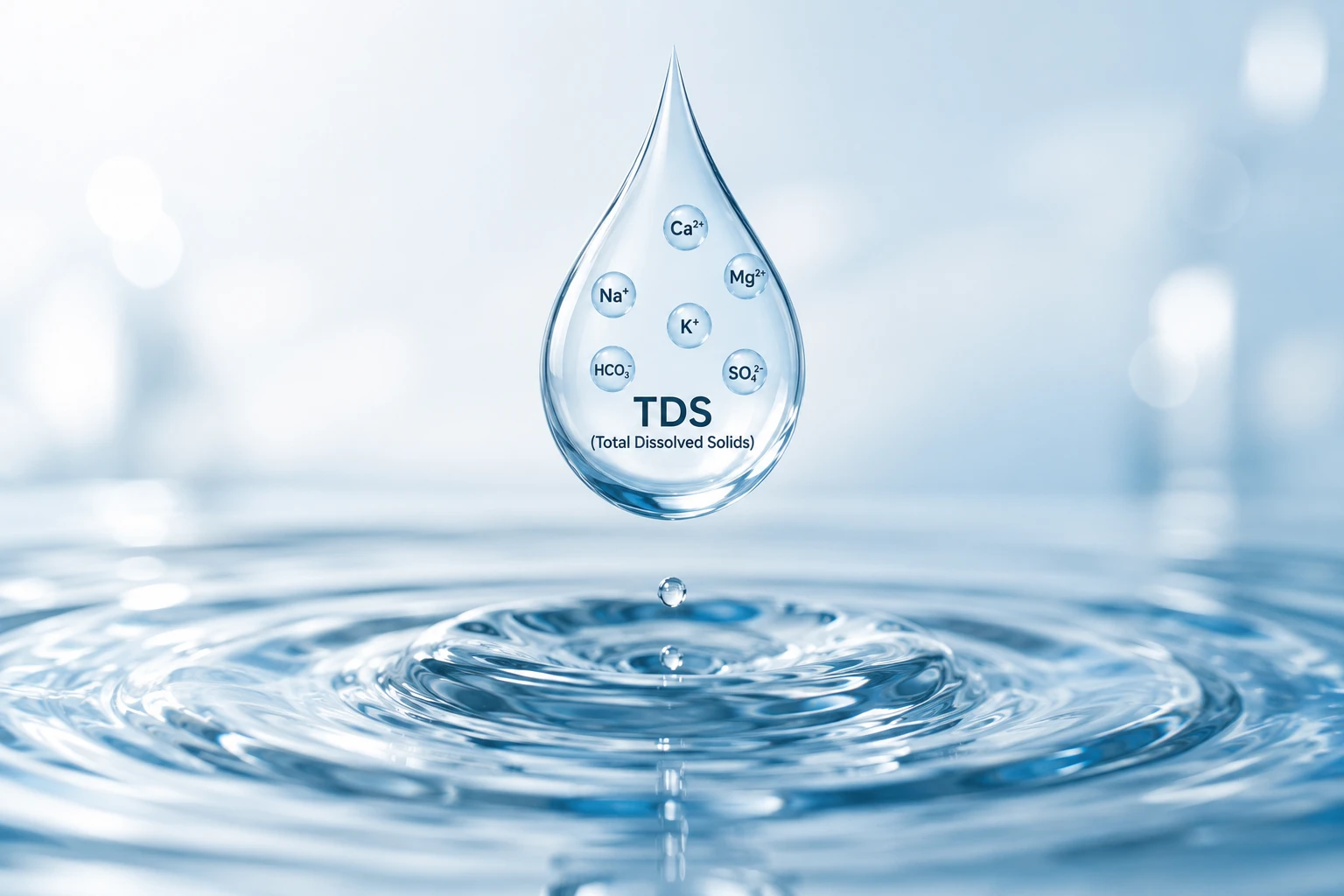
Water quality has become a critical concern for Indian households, with healthy TDS level in drinking water being one of the most discussed parameters. Total Dissolved Solids (TDS) measures the concentration of minerals, salts, and other dissolved substances in water, directly impacting taste, safety, and health benefits. While many homeowners invest thousands of rupees in water purification systems, understanding the optimal TDS range remains confusing. The Bureau of Indian Standards recommends specific TDS levels, but individual needs vary based on local water sources, health conditions, and regional factors. This comprehensive guide explores everything about ideal TDS for drinking water, helping you make informed decisions about your family's hydration needs without falling for marketing gimmicks or unnecessary expensive solutions.
Total Dissolved Solids represent the combined content of all inorganic and organic substances dissolved in water, measured in parts per million (ppm) or milligrams per liter (mg/L). These dissolved substances include beneficial minerals like calcium, magnesium, and potassium, alongside potentially harmful contaminants such as heavy metals, nitrates, and industrial pollutants.
TDS levels in water sources vary significantly based on geographical location, seasonal changes, and human activities. Natural factors include rock dissolution, soil composition, and groundwater mineral content. Urban areas typically show higher TDS due to industrial discharge, agricultural runoff, and aging water infrastructure.
Safe TDS levels for consumption directly influence water taste, odor, and potential health impacts. Low TDS water often tastes flat or bland, while extremely high TDS creates a metallic or salty taste. The dissolved minerals also affect water's electrical conductivity, which impacts how our bodies absorb and utilize the water we consume.
The Bureau of Indian Standards (BIS) and World Health Organization (WHO) provide specific guidelines for acceptable TDS levels in drinking water. According to BIS IS 10500:2012, the acceptable limit for TDS in drinking water is 500 ppm, with a permissible limit extending to 2000 ppm in areas where better quality water is unavailable.
International health organizations classify water quality based on TDS measurements. Water with TDS below 300 ppm is considered excellent, 300-600 ppm as good, 600-900 ppm as fair, and above 1200 ppm as poor quality. However, these classifications don't account for specific mineral compositions or regional health requirements.
Different states across India experience varying natural TDS levels due to geological differences. Rajasthan and Gujarat often have higher natural TDS due to mineral-rich soil, while northeastern states typically have lower TDS levels. Understanding your region's baseline helps determine appropriate treatment methods.
What is a good TDS level depends on individual circumstances, health conditions, and local water quality. For most healthy adults, TDS levels between 150-300 ppm provide optimal mineral content while ensuring safety. Children and elderly individuals may benefit from slightly lower TDS levels for easier digestion.
Pediatricians recommend TDS levels below 200 ppm for infant formula preparation and children's daily consumption. Higher TDS levels can strain developing kidneys and digestive systems. Parents should consider water with TDS between 50-150 ppm for children under five years.
Individuals with kidney stones, hypertension, or digestive issues may require customized TDS levels. People with kidney problems often benefit from lower TDS water (50-150 ppm), while those with mineral deficiencies might need slightly higher levels (200-400 ppm) under medical supervision.
Testing TDS levels has become affordable and accessible with digital TDS meters available for INR 200-500. These handheld devices provide instant readings and help monitor water quality changes over time. Regular testing ensures your water treatment systems function effectively.
Digital TDS meters work by measuring electrical conductivity in water, converting readings to ppm values. For accurate results, calibrate meters monthly, test at room temperature, and take multiple readings from different water sources. Store meters properly to maintain accuracy.
Comprehensive water analysis from certified laboratories costs INR 1500-3000 but provides detailed mineral breakdowns, bacterial counts, and heavy metal detection. Professional testing is recommended annually or when taste, odor, or color changes occur in your water supply.
Groundwater TDS levels across India vary dramatically, from 50 ppm in Kerala's coastal areas to over 3000 ppm in parts of Rajasthan. Municipal water supplies typically maintain TDS between 200-800 ppm, though treatment plant efficiency and distribution system quality affect final levels.
Private borewells often show higher TDS levels due to deeper mineral extraction and lack of treatment. Municipal supplies undergo basic treatment but may accumulate contaminants during distribution. Both sources require regular monitoring and appropriate treatment based on actual TDS readings.
Monsoon seasons typically reduce TDS levels due to dilution, while summer months concentrate dissolved solids. Agricultural areas experience TDS spikes during fertilizer application periods. Understanding seasonal patterns helps optimize water treatment schedules and system maintenance.
Consuming water with extremely high TDS levels (above 1000 ppm) may cause digestive issues, kidney strain, and mineral imbalances. Conversely, very low TDS water (below 50 ppm) can lead to mineral deficiencies and electrolyte imbalances over extended periods.
High TDS water containing harmful dissolved solids like lead, arsenic, or fluoride poses serious health risks. Even beneficial minerals become problematic in excessive concentrations. Calcium-heavy water may contribute to kidney stones, while high sodium levels affect blood pressure.
Demineralized water lacks essential minerals our bodies need for proper function. Extended consumption of very low TDS water may cause mineral deficiencies, affecting bone health, cardiovascular function, and overall metabolic processes. Balance is crucial for optimal health.
Various water treatment technologies address TDS concerns, from basic sediment filters to advanced reverse osmosis systems. Treatment choice depends on source water TDS levels, specific contaminants present, and desired final water quality. Modern kitchen setups often integrate water purification systems alongside quality appliances to ensure complete home solutions.
RO systems effectively reduce TDS levels by 85-95%, making them suitable for high TDS source water. However, RO removes beneficial minerals along with contaminants. Modern RO systems include mineral cartridges to restore essential minerals, maintaining TDS around 150-250 ppm.
UV and UF systems eliminate bacteria and viruses but don't significantly affect TDS levels. These technologies work best with source water already within acceptable TDS ranges, focusing on biological contamination rather than dissolved solids reduction.
Managing TDS levels doesn't always require expensive equipment. Simple solutions like boiling, settling, and basic filtration can improve water quality for families with limited budgets. Understanding your specific needs prevents unnecessary spending on over-engineered systems.
Basic TDS meters cost under INR 500, while simple carbon filters range from INR 1000-3000. For moderate TDS reduction, gravity-based filters with activated carbon and ion exchange resins provide effective treatment at INR 2000-5000, suitable for most Indian households.
Factor ongoing maintenance costs when choosing water treatment systems. RO membranes require replacement every 12-18 months (INR 1500-3000), while basic filter cartridges need changing every 3-6 months (INR 300-800). Calculate annual costs for realistic budgeting.
The ideal TDS level for drinking water in India ranges between 150-300 ppm according to health experts, though BIS allows up to 500 ppm as acceptable. This range provides essential minerals while ensuring safety and good taste.
High TDS water containing excessive calcium, magnesium, or other minerals may contribute to kidney stone formation in susceptible individuals. However, the mineral composition matters more than total TDS levels.
Zero TDS water lacks essential minerals and isn't recommended for long-term consumption. It may cause mineral deficiencies and electrolyte imbalances. Aim for TDS levels between 50-150 ppm minimum.
Test TDS levels monthly if using home treatment systems, or quarterly for municipal supply. Immediate testing is necessary if taste, odor, or color changes occur in your water.
Price doesn't guarantee better TDS management. Choose systems based on your source water quality, specific needs, and required treatment level rather than brand reputation or cost alone.
Basic methods like boiling, settling, and simple filtration can moderately reduce TDS levels. However, significant TDS reduction requires specialized equipment like RO systems or ion exchange filters.
Understanding healthy TDS level in drinking water empowers you to make informed decisions about your family's water quality without falling for marketing tactics or unnecessary expenses. The ideal TDS for drinking water ranges between 150-300 ppm for most individuals, though specific needs vary based on health conditions, age, and local water quality. Regular testing with affordable TDS meters helps monitor water quality changes and treatment system effectiveness. Remember that safe TDS levels for consumption depend on overall mineral composition, not just total dissolved solids. Focus on balanced mineral content rather than extremely low or high TDS levels, and choose treatment solutions based on actual water testing results rather than assumptions or sales pitches.
