

What Is a Cooktop? Essential Kitchen Guide
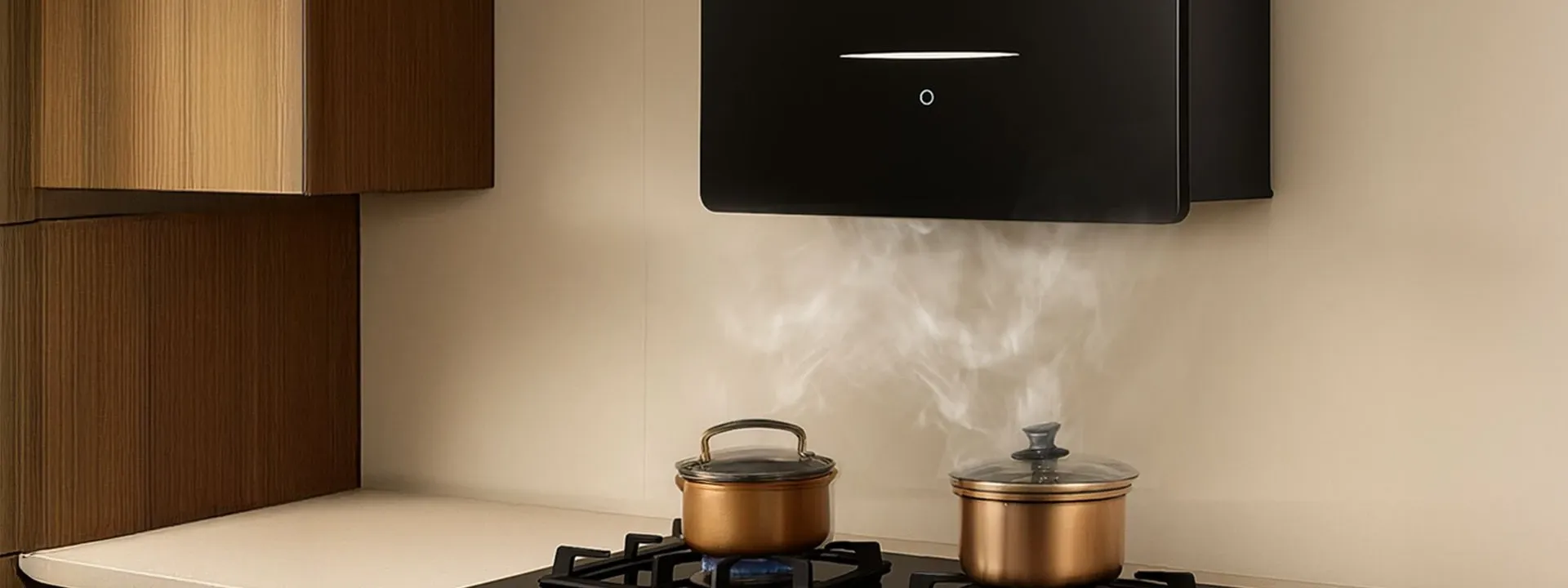
A cooktop is a standalone cooking appliance that sits flush with your kitchen countertop, providing a sleek and modern cooking surface without a built-in oven. Unlike traditional ranges, cooktops offer greater design flexibility and can transform your kitchen into a professional-grade cooking space. They come in various types including gas, electric, induction, and portable models, each offering unique benefits for different cooking styles. Understanding what a cooktop is and how it differs from other cooking appliances helps you make informed decisions for your kitchen renovation or upgrade. Modern cooktops integrate seamlessly with contemporary kitchen designs while providing precise temperature control and efficient cooking performance.
A cooktop serves as the primary cooking surface in your kitchen, designed to be installed directly into your countertop for a built-in appearance. This appliance features multiple burners or heating elements controlled by knobs, touch controls, or digital displays located either on the front panel or integrated into the cooking surface itself. The key characteristic that defines a cooktop is its standalone nature - it operates independently without requiring an attached oven below. This design allows for greater kitchen layout flexibility, enabling you to position your cooking surface and oven in separate locations based on your workflow preferences and available space. Most cooktops range from 30 to 36 inches in width, though compact 24-inch models and larger 48-inch professional versions are available. The installation process involves cutting a precise opening in your countertop and connecting the appropriate utilities - gas lines for gas models or electrical connections for electric and induction types.
Understanding the distinction between cooktops and ranges is essential for making the right kitchen appliance choice. A range combines both cooking surface and oven in one unit, while a cooktop focuses solely on surface cooking and requires a separate wall oven if baking capabilities are needed. Ranges typically cost less initially since you're purchasing one appliance instead of two separate units. However, cooktops offer superior design flexibility, allowing you to position cooking and baking areas at different heights and locations throughout your kitchen. This separation can improve workflow efficiency, especially in larger kitchens where multiple people cook simultaneously. Installation requirements differ significantly between these appliances. Ranges simply slide into place between cabinets or stand freely, while cooktops require precise countertop cutouts and proper ventilation planning. The built-in appearance of cooktops creates a more streamlined, professional look that many homeowners prefer for modern kitchen designs. From a maintenance perspective, cooktops often prove easier to clean since the cooking surface sits flush with the countertop, eliminating gaps where food particles can accumulate. This seamless integration also makes wiping down surrounding counter areas more convenient during daily kitchen cleanup.
The cooktop market offers several distinct types, each utilizing different heating methods and offering unique advantages for various cooking styles and kitchen setups.
Gas cooktops provide instant flame control and visual heat indication, making them popular among cooking enthusiasts who prefer precise temperature adjustments. The open flame allows for techniques like charring vegetables or flambéing that are difficult to achieve with other heating methods. Installation requires a gas line connection, which may involve additional costs if your kitchen lacks existing gas infrastructure. However, gas cooktops typically operate at lower costs than electric alternatives in areas where natural gas prices remain reasonable.
Electric cooktops come in two main varieties: traditional coil burners and smooth glass-ceramic surfaces. Coil models offer affordability and easy burner replacement, while smooth-top versions provide easier cleaning and a more modern appearance. These cooktops heat more slowly than gas alternatives but maintain consistent temperatures once heated. Electric models work with all cookware types and don't require gas line installation, making them suitable for apartments and homes without gas access.
Induction cooktops represent the most advanced cooking technology available, using electromagnetic fields to heat compatible cookware directly rather than heating the cooking surface. This method provides rapid heating, precise temperature control, and improved energy efficiency compared to traditional electric or gas options. Cookware compatibility requires magnetic materials like cast iron or magnetic stainless steel. The cooking surface remains relatively cool during operation, reducing burn risks and making cleanup easier since spilled food doesn't bake onto the surface.
Portable cooktops offer flexibility for temporary cooking setups, outdoor events, or supplemental cooking capacity during large meal preparations. These units plug into standard electrical outlets and can be stored when not in use. Single-burner portable models work well for small apartments or dorm rooms, while larger two-burner versions can serve as temporary solutions during kitchen renovations or provide extra cooking space for entertaining.
Proper cooktop installation requires careful planning and precise measurements to ensure safe operation and optimal performance. Standard cooktop dimensions typically measure 30 inches wide, though 36-inch models accommodate larger families or serious cooking enthusiasts. Countertop cutout dimensions must match manufacturer specifications exactly, leaving no room for measurement errors. Most installations require a minimum of 2 inches clearance on all sides, though specific requirements vary by model and local building codes. Electrical connections for electric and induction cooktops typically require 240-volt circuits with appropriate amperage ratings. Gas cooktop installation involves connecting to existing gas lines or installing new ones, which requires professional plumbing services in most areas. Ventilation planning is crucial regardless of cooktop type. While gas models produce combustion byproducts requiring proper exhaust systems, electric and induction cooktops also benefit from ventilation to remove cooking odors, steam, and airborne grease particles.
Selecting the best cooktop involves evaluating your cooking habits, kitchen layout, and available utilities. Consider how frequently you cook, what types of meals you typically prepare, and whether you prefer visual flame control or precise digital temperature settings. Budget considerations extend beyond the initial purchase price to include installation costs, utility connections, and long-term operating expenses. Gas cooktops may require expensive gas line installation but offer lower operating costs, while electric models avoid gas line expenses but may increase electricity bills. Kitchen design aesthetics play an important role in cooktop selection. Sleek induction models complement modern minimalist designs, while professional-style gas cooktops suit traditional or transitional kitchen styles. Consider how the cooktop's appearance will integrate with your overall kitchen design theme. Family size and cooking frequency influence the number and size of burners needed. Larger families or frequent entertainers benefit from cooktops with multiple high-output burners, while smaller households may find compact models more appropriate and cost-effective.
A cooktop is a standalone cooking surface that installs into your countertop, while a stove (or range) combines both cooking surface and oven in one freestanding unit. Cooktops offer more design flexibility but require a separate wall oven for baking needs.
While some experienced DIYers can handle cooktop installation, professional installation is recommended for safety and warranty compliance. Gas cooktops require licensed plumbers for gas connections, and electrical models need proper 240-volt wiring that may require electrician services.
Induction cooktops require magnetic cookware such as cast iron, carbon steel, or magnetic stainless steel. Test your existing pots and pans with a magnet - if it sticks firmly to the bottom, the cookware will work with induction technology.
Installation costs vary widely based on your kitchen's existing infrastructure. Electric cooktop installation ranges from INR 5,000 to INR 15,000, while gas cooktop installation can cost INR 8,000 to INR 25,000 if new gas lines are required.
Standard 30-inch cooktops suit most kitchens and families, while 36-inch models provide extra cooking capacity for larger households or serious cooks. Measure your available counter space and consider your typical cooking needs when selecting cooktop dimensions.
Yes, all cooktops benefit from proper ventilation to remove cooking odors, steam, and grease. Gas cooktops especially require adequate exhaust systems to remove combustion byproducts. Range hoods or downdraft ventilation systems work well with most cooktop installations.
Cooktops offer modern kitchens enhanced design flexibility and professional cooking performance compared to traditional ranges. Understanding the differences between gas, electric, and induction technologies helps you select the right model for your cooking style and kitchen infrastructure. Proper installation and sizing ensure optimal performance and safety, while considering your family's cooking habits guides you toward the most suitable cooktop type. Whether you choose the instant control of gas, the consistency of electric, or the efficiency of induction, a quality cooktop transforms your kitchen into a more functional and enjoyable cooking space.
