

Ultimate Guide: Suction Power for Indian Cooking
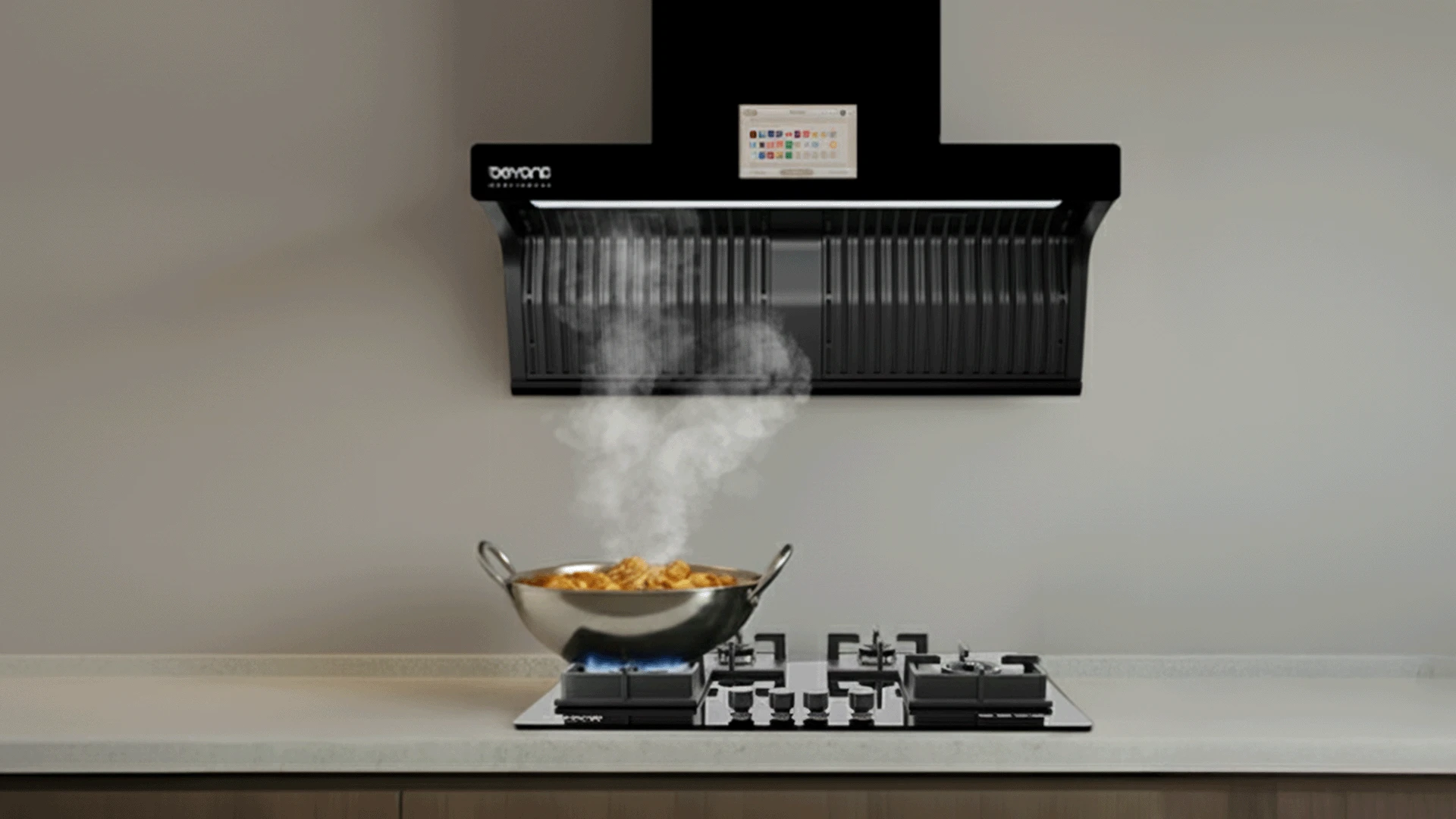
Indian cooking creates unique challenges that require powerful ventilation solutions. The aromatic spices, high-heat cooking methods, and oil-heavy preparations generate substantial smoke, steam, and airborne particles. Understanding the right suction power for your kitchen ensures a comfortable cooking environment while protecting your home from lingering odors and grease buildup. The key lies in matching your ventilation system's capacity to your cooking style and kitchen layout.
Indian cooking demands significantly higher suction power compared to Western cooking styles. The combination of high-heat tempering, deep frying, and spice roasting creates intense smoke and vapor that standard ventilation systems struggle to handle effectively.
Traditional Indian cooking techniques involve high-temperature oil heating for tempering spices, which produces substantial smoke. The frequent use of turmeric, red chili powder, and garam masala creates fine particles that can spread throughout your home without proper ventilation. Additionally, methods like pressure cooking and steaming generate significant moisture that needs immediate extraction.
CFM (Cubic Feet per Minute) measures how much air your kitchen exhaust fan can move. For Indian kitchens, you need a minimum of 400-600 CFM for basic cooking. Heavy-duty Indian cooking requires 600-1200 CFM to handle the intense heat and smoke production effectively.
Gas burners used in Indian cooking typically produce 15,000-20,000 BTUs. The general rule suggests 100 CFM per 10,000 BTUs of heat output. Since Indian cooking often uses multiple burners simultaneously with oil-heavy preparations, your ventilation needs multiply accordingly.
Selecting the right range hood CFM for Indian food preparation requires understanding your specific cooking patterns and kitchen size. The power requirements vary based on cooktop type, cooking frequency, and kitchen layout.
For daily Indian cooking, start with 400-600 CFM as your baseline. This handles basic curry preparation, rice cooking, and light frying. However, if you frequently prepare elaborate meals or cook for large families, consider higher capacity systems.
Calculate your needs using the BTU output of your cooktop. Multiply total BTU by 0.1 to get minimum CFM requirements. For a 60,000 BTU gas range commonly used in Indian households, you need at least 600 CFM. Add 20-30% extra capacity for safety margin.
Gas cooktops produce more heat and combustion byproducts, requiring higher suction power. Electric cooktops generate less smoke but still need adequate ventilation for oil vapors and spice particles common in Indian cooking.
Choosing the right ventilation system depends on your kitchen layout, cooking style, and aesthetic preferences. Each type offers distinct advantages for handling the demands of Indian cuisine.
Wall-mounted systems provide excellent capture efficiency when positioned correctly. They work best for kitchens with cooktops against walls and offer the highest suction power options. Look for models with 600+ CFM capacity and multiple speed settings.
Island installations require 50% more CFM than wall-mounted units due to cross-currents. For Indian cooking on island cooktops, choose systems with 900+ CFM capacity to ensure effective smoke and odor removal.
Space-saving under-cabinet models work for smaller kitchens but may struggle with heavy Indian cooking. If choosing this option, select the highest CFM rating available and ensure proper ductwork installation.
Downdraft systems pull air downward through the cooktop surface. While space-efficient, they're less effective for Indian cooking since heat and smoke naturally rise. Reserve this option for light cooking or as supplementary ventilation.
Indian cuisine's characteristic spices and cooking oils create specific ventilation challenges. Your system must handle both visible smoke and microscopic particles that contribute to lingering odors.
Turmeric and chili powder create fine particles that standard filters may miss. Choose range hoods with multi-layer filtration systems and ensure regular filter cleaning to maintain effectiveness.
Indian cooking uses substantial oil for tempering and frying. Your exhaust fan for oily cooking needs efficient grease filters to prevent buildup in ductwork. Baffle filters work better than mesh filters for heavy-duty use.
Different cooking stages require varying suction levels. Use low speeds for simmering and high speeds during tempering or frying. Variable speed controls help balance noise levels with ventilation effectiveness.
Proper installation maximizes your ventilation system's effectiveness. The positioning, ductwork, and venting method significantly impact performance for Indian cooking applications.
Install range hoods 24-30 inches above gas cooktops and 20-24 inches above electric surfaces. For Indian cooking, stay closer to the minimum distances to improve capture efficiency without interfering with cooking activities.
Use smooth, rigid ducts with minimal bends for maximum airflow. Duct size should match your range hood's outlet diameter. For high-CFM systems needed in Indian kitchens, larger ducts prevent airflow restrictions.
Ducted systems that vent outside provide superior performance for Indian cooking. Recirculating models filter and return air but struggle with the volume and intensity of Indian cooking byproducts.
Your kitchen's size and layout influence ventilation needs. Larger spaces require more powerful systems to achieve effective air changes, while smaller kitchens need careful balance between power and noise.
Kitchens under 150 square feet need 400-600 CFM for Indian cooking. Focus on efficient capture rather than raw power. Ensure adequate makeup air to prevent negative pressure issues.
Spaces between 150-300 square feet benefit from 600-900 CFM systems. This range handles most Indian cooking styles while maintaining comfortable noise levels for adjacent living areas.
Kitchens over 300 square feet or open to living spaces need 900+ CFM capacity. The larger air volume requires more powerful systems to prevent cooking odors from spreading throughout your home.
Regular maintenance ensures your ventilation system continues performing effectively for Indian cooking demands. Neglected systems lose efficiency and may fail when you need them most.
Clean grease filters monthly with heavy Indian cooking use. Replace charcoal filters in recirculating systems every 3-6 months. Set reminders to maintain consistent performance and prevent odor buildup.
Watch for reduced suction, increased noise, or lingering cooking odors. These indicate filter saturation, ductwork blockages, or motor issues requiring attention.
High-CFM systems consume more energy. Use variable speeds and timer controls to optimize efficiency. LED lighting and energy-efficient motors reduce operating costs.
For regular Indian cooking, aim for 600-800 CFM minimum. This handles most curry preparation, rice cooking, and moderate frying. Heavy-duty cooking or large families may need 900+ CFM systems.
Standard range hoods often lack sufficient power for Indian cooking. Look for models specifically rated for high-heat, high-oil cooking with robust filtration systems and adequate CFM ratings.
Multiply your cooktop's total BTU output by 0.1 for minimum CFM. Add 20-30% for safety margin. Consider kitchen size, ceiling height, and cooking intensity when finalizing your selection.
Suction power refers to the motor's strength, while airflow (CFM) measures actual air movement. Both matter, but CFM is the practical measurement for comparing ventilation effectiveness.
Yes, heavy-duty baffle filters work better than standard mesh filters for Indian cooking. They handle grease more effectively and are easier to clean. Consider models with dishwasher-safe filters.
Quality range hoods suitable for Indian cooking range from INR 15,000 to INR 80,000. Factor in installation costs (INR 3,000-8,000) and potential ductwork modifications for complete budget planning.
Selecting appropriate suction power for Indian cooking requires understanding your specific needs and kitchen layout. Start with 600+ CFM as your baseline, but don't hesitate to choose higher capacity systems for heavy-duty cooking. Proper installation and regular maintenance ensure long-term performance and protect your investment. Remember that adequate ventilation isn't just about comfort—it's essential for maintaining a healthy cooking environment and protecting your home from damage caused by excess moisture and grease.
