

Ultimate Guide: Remove Hard Water Stains from Hob Glass
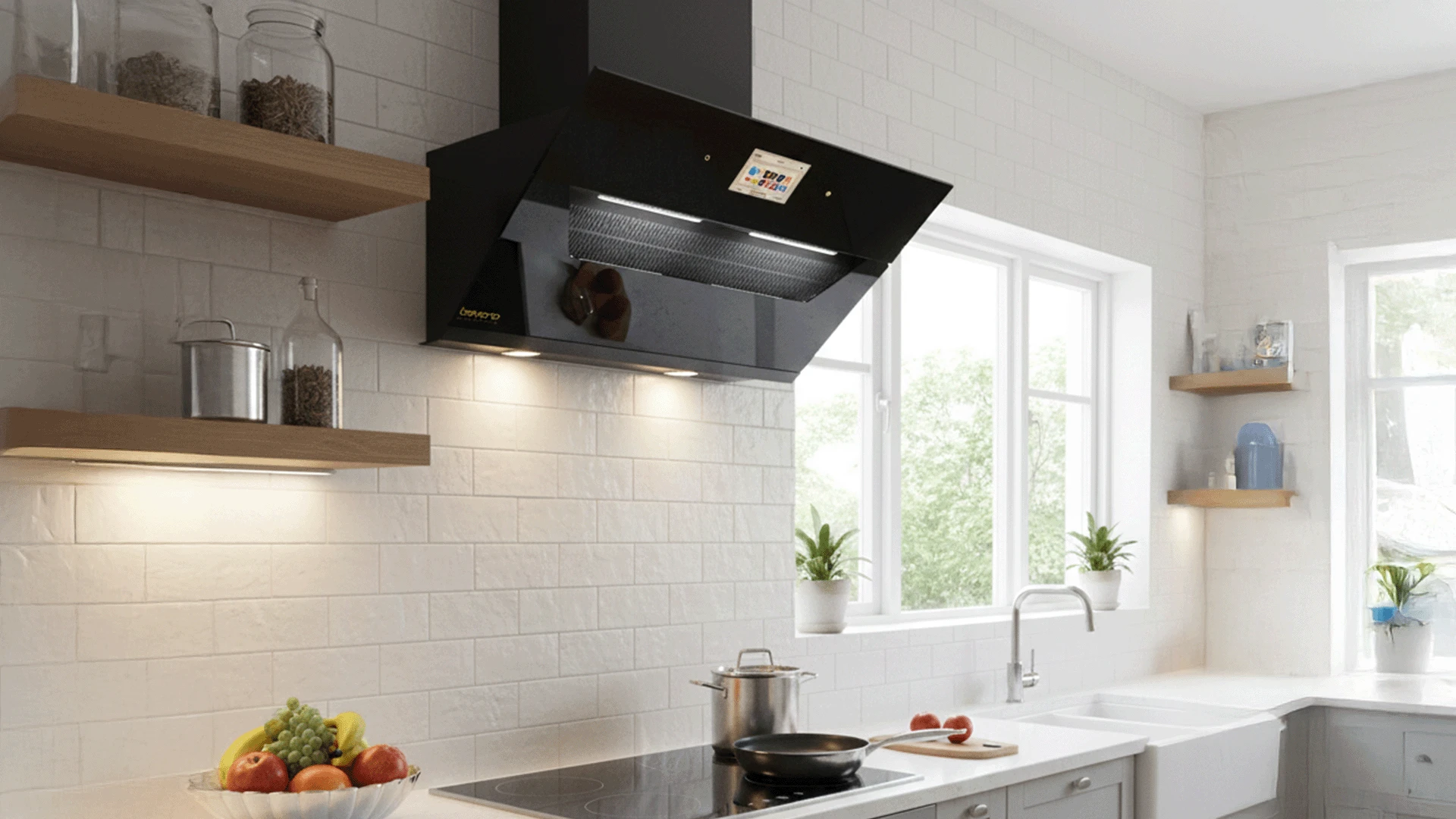
Hard water stains on your hob glass can turn your beautiful cooking surface into an unsightly mess. These stubborn mineral deposits not only affect the appearance of your kitchen but can also impact the efficiency of your cooking. Understanding how to tackle these stains effectively while maintaining a healthy kitchen environment is essential for every homeowner. With the right techniques and natural ingredients, you can restore your glass cooktop to its original shine without compromising your family's health.
Hard water stains form when mineral-rich water evaporates on your hob glass surface, leaving behind calcium and magnesium deposits. These white, chalky marks become more pronounced on heated surfaces because the heat accelerates water evaporation, concentrating the minerals.
The difference between simple water spots and etched stains is crucial to understand. Fresh water spots can be wiped away easily, while hardened mineral deposits require specific hard water stain removal techniques. When these deposits are repeatedly heated during cooking, they can actually etch into the glass surface, making them significantly harder to remove.
From a health perspective, mineral buildup on cooking surfaces can harbor bacteria and affect food preparation hygiene. Regular cleaning glass cooktop surfaces ensures your kitchen remains a safe environment for meal preparation.
Creating an effective hob glass cleaner doesn't require harsh chemicals that might contaminate your cooking space. Natural ingredients often work just as well and support healthy kitchen cleaning practices.
Essential tools include microfiber cloths, plastic scrapers, and soft-bristled brushes. Avoid steel wool or abrasive sponges that can scratch the glass surface. For natural cleaning solutions, white vinegar, baking soda, lemon juice, and coarse salt are your best allies.
White vinegar for dissolving mineral deposits
Baking soda for gentle abrasive action
Microfiber cloths for streak-free cleaning
Plastic razor blade for stubborn buildup
Spray bottles for easy application
Mix equal parts white vinegar and water for a basic natural hard water stain remover. For tougher stains, create a paste using baking soda and water. These solutions are safe, effective, and won't leave harmful residues on your cooking surface.
Learning how to clean hard water stains effectively requires understanding different approaches for various stain severities. Always ensure your cooktop is completely cool before beginning any cleaning process.
Start by removing any loose debris or food particles from the surface. This prevents scratching during the cleaning process and allows your chosen cleaning solution to work more effectively.
Spray white vinegar liberally over the stained areas and let it sit for 10 minutes. The acid in vinegar dissolves mineral deposits naturally. Sprinkle baking soda over the vinegar and watch it foam. This reaction helps lift stubborn stains from the glass surface.
Cut a fresh lemon in half and dip it in coarse salt. Rub the lemon directly on hard water stains, using the salt as a gentle abrasive. The citric acid breaks down mineral deposits while the salt provides scrubbing action without scratching.
When natural methods aren't sufficient, commercial cooktop stain remover products can be effective. Choose products specifically designed for glass surfaces and follow manufacturer instructions carefully. Always ensure adequate ventilation when using commercial cleaners.
Selecting the best hob cleaner depends on your preferences for natural versus commercial solutions. Both approaches can be effective when used correctly.
Commercial glass stove top cleaner products often contain specialized ingredients designed to dissolve mineral deposits quickly. However, natural alternatives offer the advantage of being food-safe and environmentally friendly.
Vinegar and dish soap for daily maintenance
Baking soda paste for weekly deep cleaning
Lemon juice and salt for monthly intensive treatment
Club soda for quick spot cleaning
Creating your own cleaning solutions costs significantly less than purchasing commercial products. A basic vinegar solution costs less than INR 50 per bottle and can clean your cooktop multiple times.
Removing water spots from glass sometimes requires more intensive methods, especially for etched or seemingly permanent stains. These advanced techniques should be used carefully to avoid damaging your cooktop.
For severely etched stains, create a thick paste using baking soda and water. Apply this paste to the affected area and cover with plastic wrap. Let it sit for several hours or overnight, allowing the alkaline solution to work on the mineral deposits.
Place a damp towel over the stained area and turn on a nearby burner briefly to create steam. The heat and moisture help soften hardened mineral deposits, making them easier to remove with gentle scrubbing.
Use cotton swabs dipped in vinegar solution to clean around burner elements where stains often accumulate. This targeted approach prevents damage to electrical components while ensuring thorough cleaning.
Implementing healthy kitchen cleaning practices prevents hard water stains from becoming a persistent problem. Daily maintenance takes just a few minutes but saves hours of intensive cleaning later.
After each cooking session, wipe down your cooktop with a damp microfiber cloth while it's still warm. This prevents water spots from forming and keeps your surface looking pristine.
Wipe spills immediately to prevent staining
Use distilled water for final rinse to avoid mineral deposits
Dry the surface completely after cleaning
Apply a thin layer of cooktop protectant weekly
If you live in an area with very hard water, consider installing a water softening system. This reduces mineral content in your water supply, significantly decreasing hard water stain formation on all kitchen surfaces.
Clean your glass cooktop after each use with a damp cloth, and perform deep cleaning with vinegar solution weekly. This prevents mineral buildup and maintains optimal cooking surface hygiene.
Regular glass cleaners may contain ammonia or other chemicals unsuitable for cooking surfaces. Use cleaners specifically designed for cooktops or natural alternatives like vinegar and baking soda for safe, effective cleaning.
Hard water stains appear as white, chalky deposits that feel rough to touch. Burnt-on food creates dark, sticky residues. Hard water stains respond to acidic cleaners like vinegar, while food residues need alkaline solutions like baking soda.
Commercial cooktop cleaners designed for glass surfaces are generally safe when used according to instructions. Always rinse thoroughly after cleaning and ensure the surface is completely dry before cooking.
Wipe the cooktop dry immediately after cleaning, use distilled water for final rinses, and apply a protective coating designed for glass cooktops. Regular maintenance prevents mineral buildup from becoming problematic.
Effective hard water stain removal from hob glass combines the right techniques with consistent maintenance. Natural cleaning methods using vinegar, baking soda, and lemon provide safe, effective solutions that support healthy kitchen practices. Remember that prevention through daily wiping and proper drying is far easier than removing stubborn, etched stains. With these proven methods and regular care, your glass cooktop will maintain its pristine appearance and optimal cooking performance for years to come.
