

Ultimate Guide: Remove Chimney Filter Oil Buildup
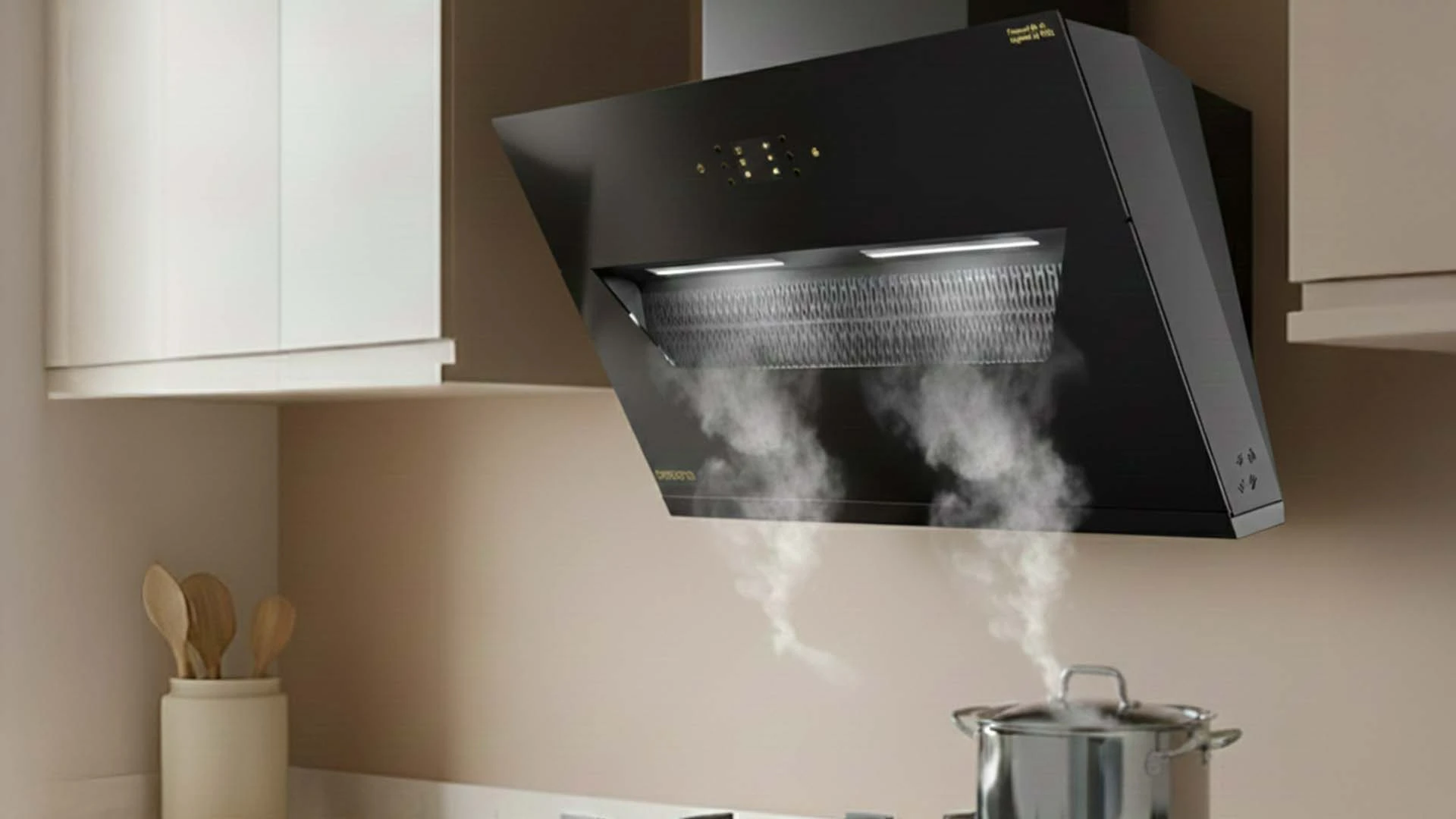
Cooking delicious meals brings joy to every kitchen, but the aftermath of chimney filter oil buildup can turn your cooking space into a greasy nightmare. Over time, kitchen exhaust filters accumulate layers of oil and grease that not only reduce ventilation efficiency but also pose health risks. This comprehensive guide will walk you through proven methods to tackle stubborn oil residue, restore your chimney's performance, and maintain a healthier cooking environment. Whether you're dealing with light grease or heavy buildup, these expert techniques will help you achieve spotless results.
Kitchen chimneys work tirelessly to remove smoke, steam, and airborne grease particles during cooking. However, when oil residue in chimney filters accumulates over time, it creates a thick, sticky layer that blocks proper airflow. The primary causes of oil buildup include frequent frying, inadequate ventilation during cooking, and irregular cleaning schedules. Indian cooking methods, particularly those involving deep frying and spice tempering, generate significant amounts of airborne oil particles that get trapped in filter mesh. Poor healthy kitchen ventilation due to clogged filters can lead to several health concerns. Accumulated grease becomes a breeding ground for bacteria and can release unpleasant odors back into your kitchen. Additionally, reduced airflow means cooking fumes linger longer, potentially causing respiratory irritation and leaving greasy residue on kitchen surfaces. Recognizing the warning signs helps prevent severe buildup. Look for visible grease accumulation on filter surfaces, reduced suction power, unusual noises from the chimney motor, or oil dripping from the unit. When filters appear dark brown or black instead of their original metallic color, immediate cleaning becomes essential.
Successful chimney filter cleaning requires the right tools and cleaning agents. Having everything prepared beforehand makes the process more efficient and ensures thorough results. For basic cleaning, gather dish soap, white vinegar, baking soda, and warm water. These household items effectively break down grease without harsh chemicals. You'll also need rubber gloves, scrub brushes with different bristle strengths, microfiber cloths, and a large basin or sink for soaking.
Vinegar and baking soda create a powerful degreasing combination that's safe for regular use. Mix equal parts white vinegar and warm water, then add two tablespoons of baking soda per liter of solution.
For heavy kitchen grease removal, commercial degreasers offer stronger cleaning power. Choose products specifically designed for kitchen exhaust systems, ensuring they're safe for your filter material.
Removing range hood grease requires systematic approach and patience. Start by disconnecting power to your chimney and allowing it to cool completely before beginning the cleaning process. Carefully remove the filters according to your chimney's design. Most modern units feature easily removable baffle or mesh filters that slide out or unclip. Take photos before removal to ensure proper reinstallation later.
This natural method works excellently for moderate grease buildup removal. Create a cleaning solution using two cups white vinegar, one cup baking soda, and enough warm water to submerge the filters completely. Soak filters for 30-45 minutes, allowing the solution to penetrate and soften the oil residue. Use a soft-bristled brush to gently scrub away loosened grease, paying special attention to heavily soiled areas.
For routine maintenance cleaning, hot water and quality dish soap provide effective results. Fill a large basin with the hottest water your hands can tolerate, then add generous amounts of grease-cutting dish soap. Submerge filters and let them soak for 15-20 minutes. Use a scrub brush to work away the softened grease, then rinse thoroughly with clean water.
When dealing with severe buildup, commercial degreasers offer the strongest cleaning power. Apply the product according to manufacturer instructions, ensuring adequate ventilation during use. Allow the degreaser to work for the recommended time, then scrub and rinse thoroughly. Multiple applications may be necessary for heavily soiled filters.
Some kitchen exhaust filter situations require more intensive cleaning methods. When standard techniques fail to remove hardened grease, advanced approaches can restore filter functionality. Steam cleaning offers excellent results for stubborn deposits. If you have a steam cleaner, direct the steam onto greasy areas while simultaneously scrubbing with a brush. The heat helps dissolve hardened oil while the mechanical action removes loosened debris. For extremely dirty filters, consider the oven cleaning method. Place filters in a large roasting pan, spray with oven cleaner, and let sit according to product instructions. This method requires excellent ventilation and careful handling of chemicals.
When filters are severely damaged or cleaning attempts prove unsuccessful, professional degreasing chimney filter services may be necessary. These specialists have industrial-grade equipment and experience handling heavily soiled units.
Implementing proper chimney maintenance tips significantly reduces the frequency and intensity of deep cleaning sessions. Regular maintenance protects your investment and ensures optimal performance. Clean filters monthly for heavy cooking households, or every two months for moderate use. Light cooking may allow quarterly cleaning, but never exceed three months between cleanings. Mark your calendar to establish a consistent routine. During cooking, run your chimney at appropriate speeds. Use medium settings for regular cooking and high speeds when frying or using multiple burners simultaneously. Continue running the chimney for 10-15 minutes after cooking to clear remaining particles.
Cover pans when possible to reduce airborne grease particles. Use appropriate oil temperatures to minimize smoking and splattering. Position pans properly under the chimney for maximum capture efficiency.
Even with excellent maintenance, filters eventually require replacement. Baffle filters typically last 2-3 years with proper care, while mesh filters may need replacement annually in heavy-use kitchens.
Even after thorough cleaning kitchen chimney filters, some issues may persist. Understanding common problems helps identify when additional action is needed. Oil dripping from the chimney usually indicates either incomplete cleaning or damaged filters. Check for tears in mesh filters or warped baffle plates that prevent proper drainage. Sometimes, the oil collection tray needs emptying or cleaning. Persistent odors after cleaning suggest bacterial growth in hidden areas. Clean the entire chimney interior, including the motor housing and ductwork if accessible. Consider professional service if odors continue. Reduced suction power despite clean filters may indicate motor problems or blocked ductwork. Check external vents for obstructions and ensure proper electrical connections.
Clean filters every 4-6 weeks for regular cooking, or monthly for heavy use. Indian cooking with frequent frying requires more frequent cleaning to prevent excessive chimney filter oil buildup.
Most baffle filters are dishwasher-safe, but check manufacturer guidelines first. Use the hottest setting with quality detergent for best kitchen grease removal results.
Dripping occurs when filters are oversaturated with grease or when the oil collection tray overflows. Regular cleaning and tray maintenance prevent this issue.
Avoid bleach or ammonia-based cleaners, which can damage filter materials. Stick to dish soap, vinegar, or commercial degreasers designed for kitchen use.
Replace filters when they show visible damage, fail to come clean despite thorough washing, or when cleaning becomes ineffective at removing oil residue in chimney systems.
Yes, using lids while cooking, maintaining proper oil temperatures, and running the chimney during and after cooking significantly reduces grease accumulation.
Maintaining clean chimney filters is essential for healthy kitchen ventilation and cooking comfort. Regular cleaning using simple household ingredients like vinegar and baking soda effectively removes most oil buildup. For stubborn grease, commercial degreasers provide additional cleaning power. Establish a monthly cleaning routine to prevent severe accumulation. Pay attention to warning signs like reduced suction or visible grease buildup. When filters become damaged or cleaning proves ineffective, replacement ensures continued performance. Remember that proper cooking practices and consistent maintenance protect your investment while ensuring a cleaner, healthier kitchen environment. With these techniques and preventive measures, you can keep your chimney filters functioning optimally for years to come.
