

Ultimate Guide: Cleaning Chimney Oil Tray Step by Step
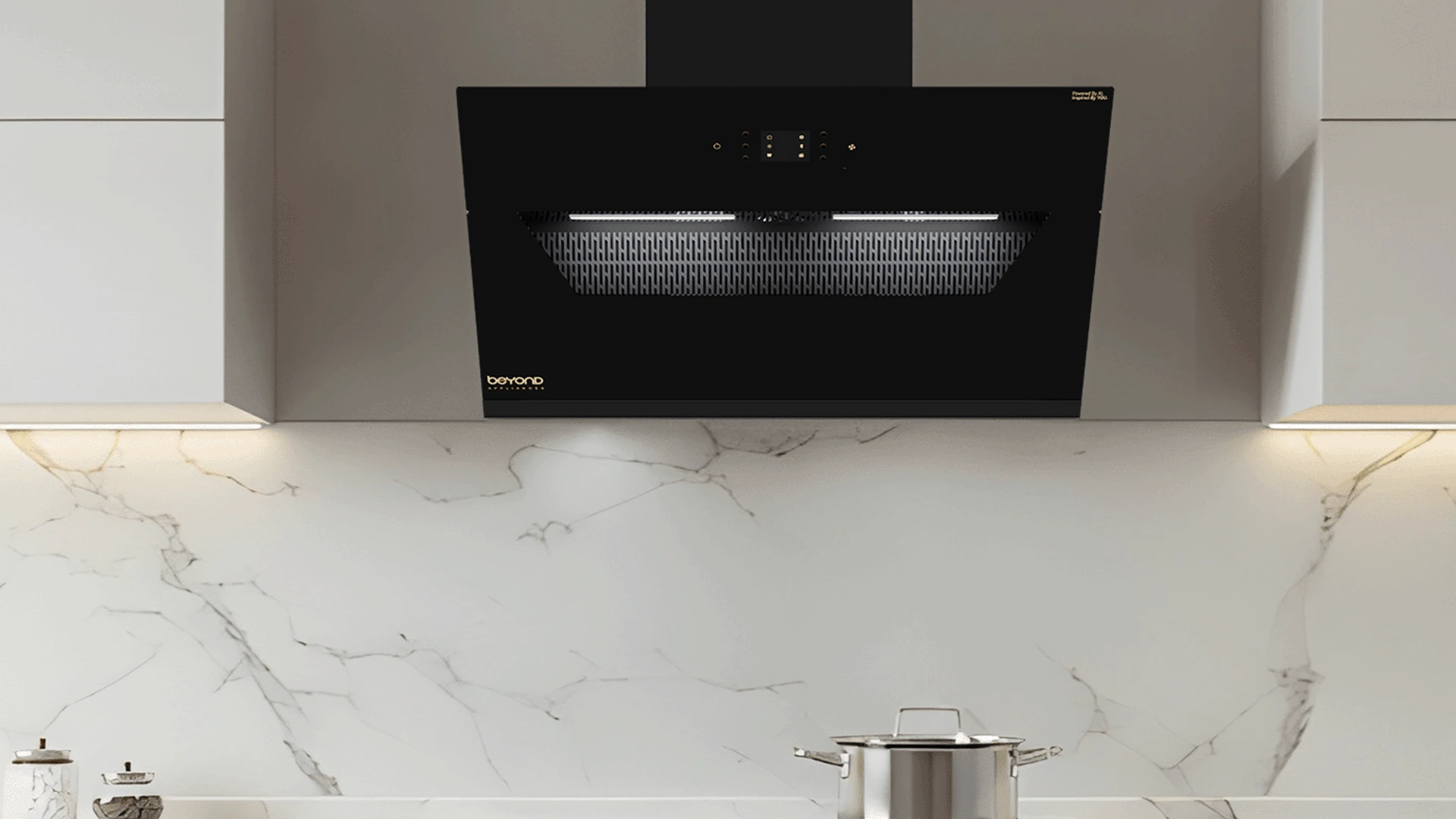
Your kitchen chimney works tirelessly to keep your cooking space fresh and grease-free. But behind the scenes, the oil tray quietly collects all that accumulated grease and cooking residue. This small but crucial component needs regular attention to maintain your chimney's performance and your family's health. Proper chimney oil tray care tips can extend your appliance's lifespan while ensuring optimal kitchen ventilation. Many homeowners overlook this essential maintenance task, leading to reduced efficiency, unpleasant odors, and potential health risks. Understanding the right cleaning techniques transforms this chore into a simple routine that protects your investment and maintains a healthy cooking environment.
The chimney oil tray, also known as an oil collector or grease tray, sits at the bottom of your kitchen chimney to capture cooking oils, grease, and food particles. This component prevents these substances from entering your kitchen ventilation system and potentially damaging internal mechanisms. Regular oil collector cleaning ensures your chimney operates at peak efficiency. Neglected grease tray cleaning poses several health risks. Accumulated grease becomes a breeding ground for bacteria and can produce foul odors that permeate your kitchen. The buildup also reduces your chimney's suction power, allowing cooking fumes and smoke to linger in your cooking space. This poor air quality can trigger respiratory issues and create an uncomfortable cooking environment. From a financial perspective, proper oil tray maintenance prevents costly repairs. Overflowing oil trays can damage chimney motors and filters, leading to expensive replacements. Regular cleaning maintains warranty coverage and extends your appliance's operational life. Watch for warning signs like reduced suction, unusual noises, or visible grease overflow around the tray area.
Successful chimney oil tray cleaning requires the right tools and safety equipment. Start with protective gear including rubber gloves, safety glasses, and an apron to shield your clothes from grease splatter. These items protect you from harsh cleaning chemicals and hot grease residue. For cleaning solutions, you have several effective options. Commercial degreasers work quickly on stubborn buildup, while eco-friendly alternatives like baking soda and vinegar provide gentler cleaning power. Dish soap mixed with hot water creates an excellent basic cleaning solution for regular maintenance. Avoid abrasive cleaners that might scratch or damage the tray surface.
• Soft-bristled scrub brush or old toothbrush • Microfiber cloths and paper towels • Plastic scraper for hardened grease • Small bucket or basin for soaking • Non-abrasive sponges
• Rubber cleaning gloves • Safety glasses or goggles • Protective apron or old clothes • Well-ventilated workspace
Proper chimney oil tray cleaning follows a systematic approach that ensures thorough cleaning while maintaining safety. This process typically takes 30-45 minutes depending on the level of buildup and your chimney model.
Turn off your chimney and disconnect the power supply completely. Allow the unit to cool for at least 30 minutes after cooking to prevent burns from hot surfaces. Clear your workspace and lay down newspapers or towels to protect surrounding areas from grease drips.
Locate the oil tray release mechanism, which varies by chimney model. Most trays slide out from the front or bottom of the unit. Support the tray with both hands as you remove it, as accumulated oil can make it heavy and slippery. Place the tray on a stable, protected surface near your cleaning area.
Dispose of liquid grease responsibly by pouring it into a disposable container, never down the drain. Scrape away solid food particles and hardened grease using a plastic scraper. This initial cleaning prevents drain clogs and makes the deep cleaning process more effective.
Soak the tray in hot, soapy water for 15-20 minutes to loosen stubborn grease. For heavy buildup, create a paste using baking soda and water, then apply it to problem areas. Scrub gently with a soft brush, working in circular motions to avoid scratching the surface. Rinse thoroughly with clean water.
After removing all grease and debris, sanitize the tray with a mild disinfectant solution. This step eliminates bacteria and prevents odor development. Rinse again with clean water to remove any cleaning residue that could affect food safety.
Dry the tray completely using clean towels or allow air drying for 10-15 minutes. Moisture can promote bacterial growth and cause unpleasant odors. Once dry, carefully reinstall the tray, ensuring it sits securely in its designated position.
Effective kitchen chimney care involves coordinating oil tray cleaning with filter maintenance. Clean both components during the same session to maximize efficiency and ensure optimal performance. This approach saves time and maintains consistent air quality in your kitchen. Chimney filter cleaning complements oil tray maintenance by addressing grease that escapes the collection tray. Baffle filters require monthly cleaning, while cassette filters need replacement every 3-6 months depending on usage. Heavy cooking households may need more frequent attention to both components. Seasonal maintenance considerations include deep cleaning before festival cooking seasons and after periods of heavy use. Professional service becomes necessary when you notice persistent odors, reduced suction despite clean components, or visible damage to the tray or surrounding areas.
Developing healthy kitchen habits significantly reduces oil tray maintenance requirements. Use appropriate cooking temperatures to minimize excessive oil splatter and smoke generation. Cover pans when possible to contain grease and reduce the amount reaching your chimney system. Optimal kitchen ventilation maintenance includes running your chimney for 5-10 minutes after cooking to clear residual fumes and moisture. This practice prevents grease from settling in the system and reduces overall cleaning frequency. Regular usage also prevents mechanical components from seizing due to inactivity. Establish a cleaning schedule based on your cooking frequency. Daily cooking households should clean oil trays weekly, while occasional cooks can extend this to bi-weekly intervals. Mark cleaning dates on your calendar to maintain consistency and prevent overwhelming buildup.
Clean your oil tray weekly for daily cooking or bi-weekly for moderate use. Heavy frying or Indian cooking may require more frequent cleaning to prevent overflow and maintain efficiency.
Hot soapy water works for regular maintenance, while baking soda paste tackles stubborn buildup. Commercial degreasers provide quick results for heavily soiled trays.
Check your manufacturer's guidelines first. Most stainless steel trays are dishwasher-safe, but high temperatures may damage plastic components or special coatings.
Replace trays showing cracks, warping, or persistent odors after thorough cleaning. Damaged trays cannot effectively contain grease and may leak into your chimney system.
Neglected trays overflow, reducing chimney efficiency and creating fire hazards. Accumulated grease also produces unpleasant odors and can damage internal chimney components.
Regular chimney oil tray care tips implementation keeps your kitchen ventilation system running efficiently while protecting your family's health. This simple maintenance task prevents costly repairs and extends your chimney's lifespan. Remember that consistency matters more than perfection – establishing a regular cleaning routine prevents overwhelming buildup and makes each cleaning session quick and manageable. Your investment in proper kitchen appliance maintenance pays dividends through improved air quality, reduced odors, and reliable chimney performance for years to come.
