

Ultimate Guide: Clean Glass Stoves Like a Pro
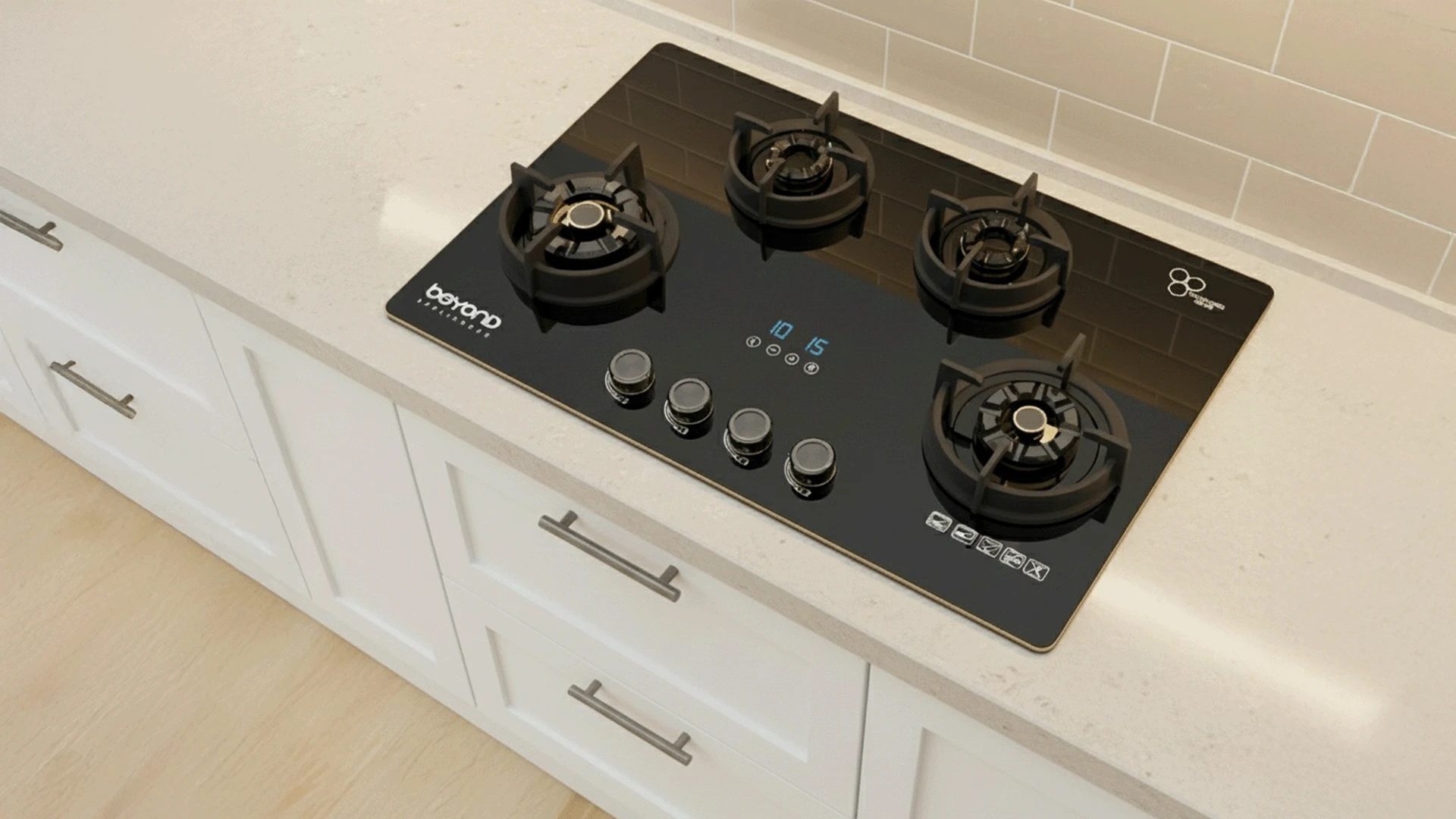
Glass stoves bring elegance and modern style to any kitchen, but keeping them spotless requires the right approach. Many homeowners struggle with streaks, scratches, and stubborn stains that seem impossible to remove. The secret lies in choosing the best cleaning cloth for glass stoves and using proper techniques that protect your investment while delivering professional results. With the right knowledge and tools, you can maintain that showroom shine every day.
Glass cooktops are far more delicate than traditional gas or electric stoves. The smooth surface shows every fingerprint, water spot, and food splatter. Using the wrong cleaning materials can create permanent scratches that cost thousands to repair.
Professional cleaners understand that the best cloths for cleaning stoves prevent damage while removing grime effectively. A quality microfiber cloth costs around INR 200-500, while replacing a scratched glass cooktop can cost INR 15,000-30,000. The math is simple - invest in proper cleaning tools now to avoid expensive repairs later.
Glass cooktops require gentle care because they're made from ceramic glass that can scratch easily. Paper towels contain wood fibers that act like sandpaper. Regular cotton cloths leave lint and streaks. Only specialized materials provide safe, effective cleaning.
Restaurant kitchens maintain spotless glass surfaces using specific cloth types and techniques. These same methods work perfectly in home kitchens when you know the right approach.
Choosing the right cooktop cleaning cloth determines whether you achieve streak-free results or create more problems. Different materials serve different purposes in glass stove maintenance.
Microfiber cloths represent the gold standard for glass cooktop cleaning. These synthetic fabrics combine polyester and polyamide fibers that are finer than human hair, creating incredible cleaning power without scratching.
Quality microfiber cloths offer several advantages:
Lint-free cleaning - No residue left behind
Scratch resistance - Soft fibers protect glass surfaces
Superior absorption - Holds up to seven times its weight in liquid
Streak prevention - Smooth texture eliminates streaking
High-quality terry cloth works for initial cleaning but requires careful selection. Choose 100% cotton with tight weave patterns. Avoid terry cloths with loose threads or rough textures.
Never use these materials on glass cooktops:
Paper towels - contain scratching wood fibers
Steel wool - creates permanent scratches
Rough sponges - damage glass surface
Old t-shirts - leave lint and streaks
The right glass stove top cleaner paired with quality cloths creates powerful cleaning combinations. Different cleaners handle different types of stains and buildup.
Commercial cooktop cleaners offer convenience and proven results. Look for products specifically designed for glass surfaces that won't leave residue or create streaks.
Professional-grade cleaners typically cost INR 300-800 and last for months of regular use. These products contain specialized ingredients that break down grease and food residue without damaging glass.
Homemade cleaners provide safe stove top cleaner alternatives:
Baking soda paste - Mix with water for gentle abrasion
White vinegar solution - Natural degreaser and streak remover
Dish soap mixture - Gentle daily cleaning option
Avoid these harsh chemicals that can damage glass cooktops permanently. Bleach, ammonia, and abrasive cleaners create etching and discoloration that cannot be repaired.
Learning how to clean glass stove properly prevents damage and ensures consistent results. Professional techniques focus on safety, efficiency, and surface protection.
Start every cleaning session with proper preparation. Ensure the cooktop is completely cool before beginning. Hot glass can crack when exposed to cold cleaning solutions.
Quick daily cleaning prevents buildup and makes deep cleaning easier. Use a damp microfiber cloth to wipe spills immediately after cooking. This prevents stains from setting and reduces scrubbing later.
Weekly deep cleaning maintains optimal appearance and function:
Apply cleaner evenly across the surface
Let solution sit for 2-3 minutes to break down grime
Use circular motions with microfiber cloth
Buff dry with clean microfiber cloth
Inspect for remaining spots and repeat if needed
Removing stains from glass cooktop requires patience and proper technique. Rushing the process often leads to scratches or incomplete cleaning.
Baking soda paste works exceptionally well for stubborn stains. Mix three parts baking soda with one part water to create a thick paste. Apply to stained areas and let sit for 15 minutes before gently scrubbing with microfiber cloth.
Plastic scrapers designed for glass cooktops safely remove burnt-on food. Hold the scraper at a 45-degree angle and use gentle pressure. Never use metal scrapers that can scratch the surface.
Heavy grease requires a multi-step approach. Start with degreasing cleaner, followed by baking soda paste for stubborn spots. Finish with vinegar solution to remove any remaining residue.
Streak-free glass stove cleaning depends on proper cloth technique and quality materials. Even the best cleaners fail without correct application methods.
The two-cloth method delivers professional results consistently. Use one damp microfiber cloth for cleaning and a separate dry cloth for buffing. This prevents redepositing dirt and ensures complete moisture removal.
Fold microfiber cloths into quarters to create multiple clean surfaces. Use straight, overlapping strokes rather than circular motions for final buffing. This technique eliminates streaks and provides uniform shine.
Avoid these errors that cause streaking:
Using too much cleaner
Cleaning with dirty cloths
Skipping the buffing step
Working in direct sunlight
Building your cleaning supplies for glass stoves collection ensures you're prepared for any cleaning challenge. Quality supplies last longer and provide better results than cheap alternatives.
Essential supplies include multiple microfiber cloth for stove cleaning, specialized glass cleaner, plastic scraper, and spray bottles for homemade solutions. Having backup supplies prevents interruptions during cleaning sessions.
Start with basic microfiber cloths (INR 200-400 for a pack) and white vinegar (INR 50-100). These provide excellent cleaning power at minimal cost. Upgrade to specialized products as your budget allows.
Invest in premium supplies when you want restaurant-quality results. High-end microfiber cloths (INR 500-800 each) and commercial cleaners (INR 600-1200) deliver superior performance and durability.
Microfiber cloths paired with specialized glass cooktop cleaners provide the best results. This combination removes grime without scratching while preventing streaks and residue.
High-quality microfiber cloths are the best choice for glass stoves. They're lint-free, scratch-resistant, and provide superior absorption for streak-free cleaning.
Use baking soda paste for burnt-on food. Apply the paste, let it sit for 15 minutes, then gently scrub with a microfiber cloth. For stubborn spots, use a plastic scraper at a 45-degree angle.
Never use paper towels on glass cooktops. They contain wood fibers that can scratch the surface and leave lint behind. Always use microfiber cloths instead.
Deep clean your glass stove weekly with daily maintenance cleaning after each use. This prevents buildup and keeps your cooktop looking new.
Mastering glass stove cleaning requires the right tools and techniques, but the results are worth the effort. Quality microfiber cloths and proper cleaners protect your investment while maintaining that showroom appearance. Remember that prevention through daily maintenance makes deep cleaning easier and extends your cooktop's lifespan. With these professional techniques, your glass stove will remain a beautiful centerpiece in your kitchen for years to come.
