

Ultimate Guide: Choosing Chimney Filters for Indian
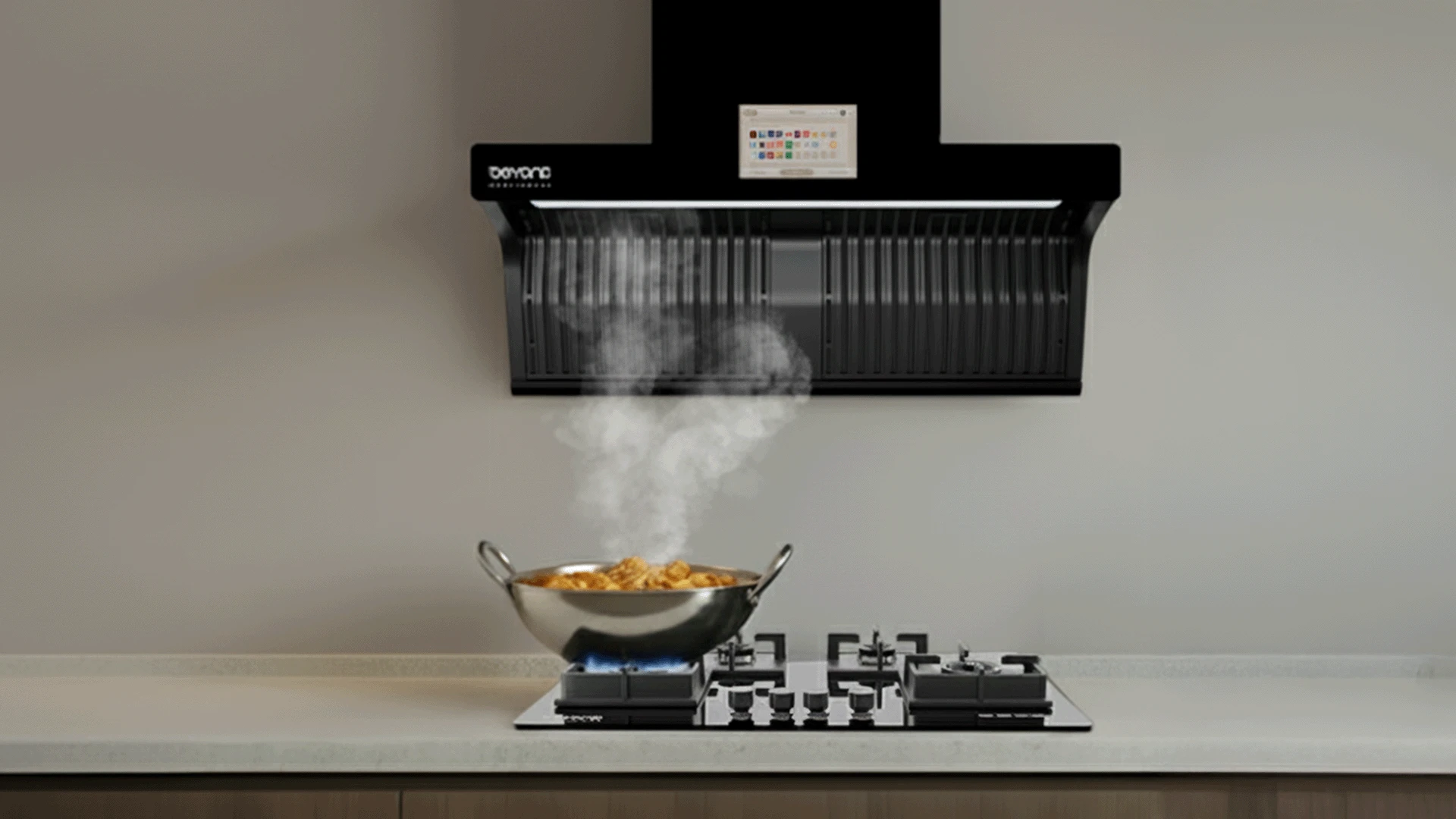
Indian kitchens present unique challenges for kitchen chimney filters due to heavy oil usage, intense spice aromas, and high-heat cooking methods. Traditional cooking styles like tadka, deep frying, and grilling generate substantial smoke and grease that require specialized filtration systems. Understanding what type of chimney filter is good for Indian cooking helps homeowners make informed decisions that ensure clean air and efficient smoke removal. The right chimney for Indian kitchen combines powerful suction with appropriate filter technology to handle these demanding conditions effectively.
Indian cooking creates more smoke, grease, and aromatic particles than most other cuisines. The combination of high-temperature cooking, generous oil usage, and aromatic spices produces challenging conditions for kitchen exhaust systems. Standard filters designed for lighter cooking styles often struggle with the intensity of Indian food preparation. Kitchen chimney filters work by capturing grease particles and smoke before they spread throughout the home. For Indian kitchens, these systems must handle oil-heavy vapors from tadka preparation, smoke from grilling, and steam from pressure cooking. The filter mechanism separates grease from air, allowing clean air to pass through while trapping contaminants. Effective filtration requires suction power between 1000-1500 m³/hr for typical Indian cooking volumes. This capacity ensures adequate air circulation even during heavy cooking sessions. The filter efficiency must balance thorough cleaning with manageable maintenance requirements, as frequent deep cleaning becomes impractical for busy households.
Different filter technologies offer varying advantages for Indian cooking environments. Understanding these types of chimney filters helps identify the most suitable option for specific cooking habits and kitchen configurations.
Baffle filters feature curved stainless steel panels that create turbulent airflow patterns. This design forces grease-laden air to change direction multiple times, causing heavier oil particles to separate and collect in designated areas. The curved panels effectively trap grease while allowing clean air to pass through to the motor. These filters excel in durability, withstanding the harsh conditions of Indian cooking without degradation. The stainless steel construction resists corrosion from acidic cooking vapors and maintains structural integrity under high temperatures. Maintenance involves simple removal and washing with warm soapy water, making them practical for regular use.
Filterless systems use heat auto-clean technology and oil collector mechanisms instead of traditional filters. These systems heat the internal components to high temperatures, liquefying collected grease for easy removal. The oil collector captures separated grease automatically, reducing manual cleaning frequency. Performance in Indian cooking conditions varies based on the specific technology used. Some systems handle heavy oil cooking effectively, while others may struggle with extremely greasy preparations. The convenience factor appeals to busy households, though initial costs typically exceed traditional filter systems.
Aluminum mesh cassette filters use layered metal screens to trap grease particles. These filters require regular replacement, typically every 3-6 months depending on cooking frequency. While initially affordable, replacement costs accumulate over time, making them less economical for heavy cooking households. Suitability varies with cooking styles - light cooking may extend filter life, while heavy Indian cooking accelerates replacement needs. The mesh design can become clogged quickly with oil-heavy vapors, reducing suction efficiency.
Choosing between baffle and filterless systems requires careful consideration of cooking habits, maintenance preferences, and budget constraints. Both technologies offer distinct advantages for Indian kitchen environments.
Baffle filters demonstrate superior grease handling capacity during intensive cooking sessions. The mechanical separation process works consistently regardless of cooking volume or oil content. Tadka preparation and deep frying scenarios benefit from the reliable grease capture mechanism. Filterless systems provide convenience through automated cleaning cycles, though performance may vary with extremely heavy cooking. The heat auto-clean function works best with regular use, as accumulated grease becomes harder to remove during extended periods between cleaning cycles. Long-term cost analysis favors baffle filters due to their durability and minimal replacement requirements. Filterless systems may require component replacement or servicing over time, though they eliminate filter replacement costs entirely.
Heavy Indian cooking involving frequent grilling, frying, and spice-heavy preparations suits baffle filter technology well. The robust construction handles intense conditions without performance degradation. Mixed cooking styles combining Indian and Continental preparations work effectively with both systems. Kitchen size influences the choice between ducted and ductless chimney installations. Baffle filters work efficiently in both configurations, while filterless systems may perform better in ducted setups for optimal heat dissipation during auto-clean cycles.
Auto clean technology represents a significant advancement in smoke absorber for kitchen systems. The heat auto-clean mechanism operates by heating internal components to temperatures that liquefy accumulated grease, allowing easy collection and removal. The oil collector system automatically separates grease from air during normal operation, storing collected oil in a removable container. This process reduces manual cleaning frequency significantly, appealing to households seeking low-maintenance solutions. Regular emptying of the oil collector becomes the primary maintenance requirement. Maintenance advantages include reduced scrubbing and deep cleaning needs. The automated process handles routine grease removal, leaving only periodic external cleaning and oil collector emptying. Energy efficiency varies by model, with some systems optimizing power consumption during auto-clean cycles. Auto clean chimney systems work particularly well for consistent cooking patterns. Regular use maintains optimal performance, while sporadic cooking may reduce cleaning efficiency. The technology suits households prioritizing convenience over initial cost considerations.
Ductless installations require specialized filtration to clean and recirculate air rather than exhausting it outside. Carbon and charcoal filters provide odor absorption capabilities essential for effective air purification in these systems. Carbon filter technology absorbs cooking odors and aromatic particles that escape primary grease filtration. These filters require regular replacement, typically every 6-12 months depending on cooking intensity. The activated carbon material becomes saturated over time, reducing absorption efficiency. Charcoal filters offer enhanced air purification through additional odor absorption layers. Some systems combine baffle or cassette filters with carbon filtration for comprehensive air cleaning. This combination approach handles both grease separation and odor control effectively. Replacement schedules depend on cooking frequency and intensity. Heavy Indian cooking accelerates filter saturation, requiring more frequent replacements. Cost-effective maintenance planning involves bulk filter purchases and scheduled replacement routines.
Selecting the ideal best chimney filter system requires systematic evaluation of kitchen requirements, cooking patterns, and installation constraints. A structured approach ensures optimal performance and satisfaction.
Cooking frequency and style analysis determines filtration requirements. Daily cooking with heavy oil usage demands robust filtration, while occasional cooking allows more flexible options. Kitchen size affects suction power requirements and installation possibilities. Ventilation requirements vary with kitchen layout and external wall access. Ducted installations offer superior performance but require external venting capability. Ductless options suit apartments or kitchens without external wall access.
Suction power calculations should account for kitchen volume and cooking intensity. Indian kitchens typically require 1000-1500 m³/hr capacity for effective smoke removal. Higher capacity suits larger kitchens or extremely heavy cooking patterns. Filter capacity ratings indicate grease handling capabilities. Baffle filters generally offer superior capacity compared to cassette alternatives. Noise levels should remain below 60 decibels for comfortable operation during cooking. Energy efficiency ratings help optimize power consumption. Modern systems balance performance with energy conservation, reducing operational costs over time.
Initial investment varies significantly between filter technologies. Baffle filter systems typically cost less initially than filterless alternatives. However, long-term ownership costs include maintenance, replacement parts, and energy consumption. Maintenance expenses accumulate differently across filter types. Cassette filters require regular replacement, while baffle filters need only cleaning. Filterless systems may require component servicing but eliminate filter replacement costs. Value for money analysis should consider performance, durability, and maintenance requirements together. The most economical choice balances initial cost with long-term operational expenses.
Baffle filters are ideal for Indian kitchens due to their superior grease-handling capacity, durability, and low maintenance requirements compared to cassette or mesh filters. They effectively separate grease particles while requiring only periodic cleaning with soap and water.
Baffle filters excel in Indian cooking environments, effectively separating grease and smoke while requiring minimal maintenance. They're specifically designed to handle high-oil, spice-heavy cooking methods common in Indian cuisine.
Both have advantages - baffle filter chimneys offer proven reliability and easy maintenance, while filterless auto-clean systems provide convenience but may require higher initial investment. Choice depends on budget and maintenance preferences.
For heavy Indian cooking involving tadka, deep frying, and grilling, choose chimneys with 1000-1500 m³/hr suction power and either baffle or filterless technology for optimal smoke and oil removal.
Selecting the right chimney filter for Indian cooking requires understanding the unique challenges of oil-heavy, aromatic cooking styles. Baffle filters offer proven performance and durability for most Indian kitchens, while filterless systems provide convenience at higher initial costs. Consider cooking frequency, maintenance preferences, and budget constraints when making the final decision. Proper suction power and regular maintenance ensure optimal performance regardless of filter type chosen.
