

Step-by-Step Guide to Smoke-Free Cooking Methods in India
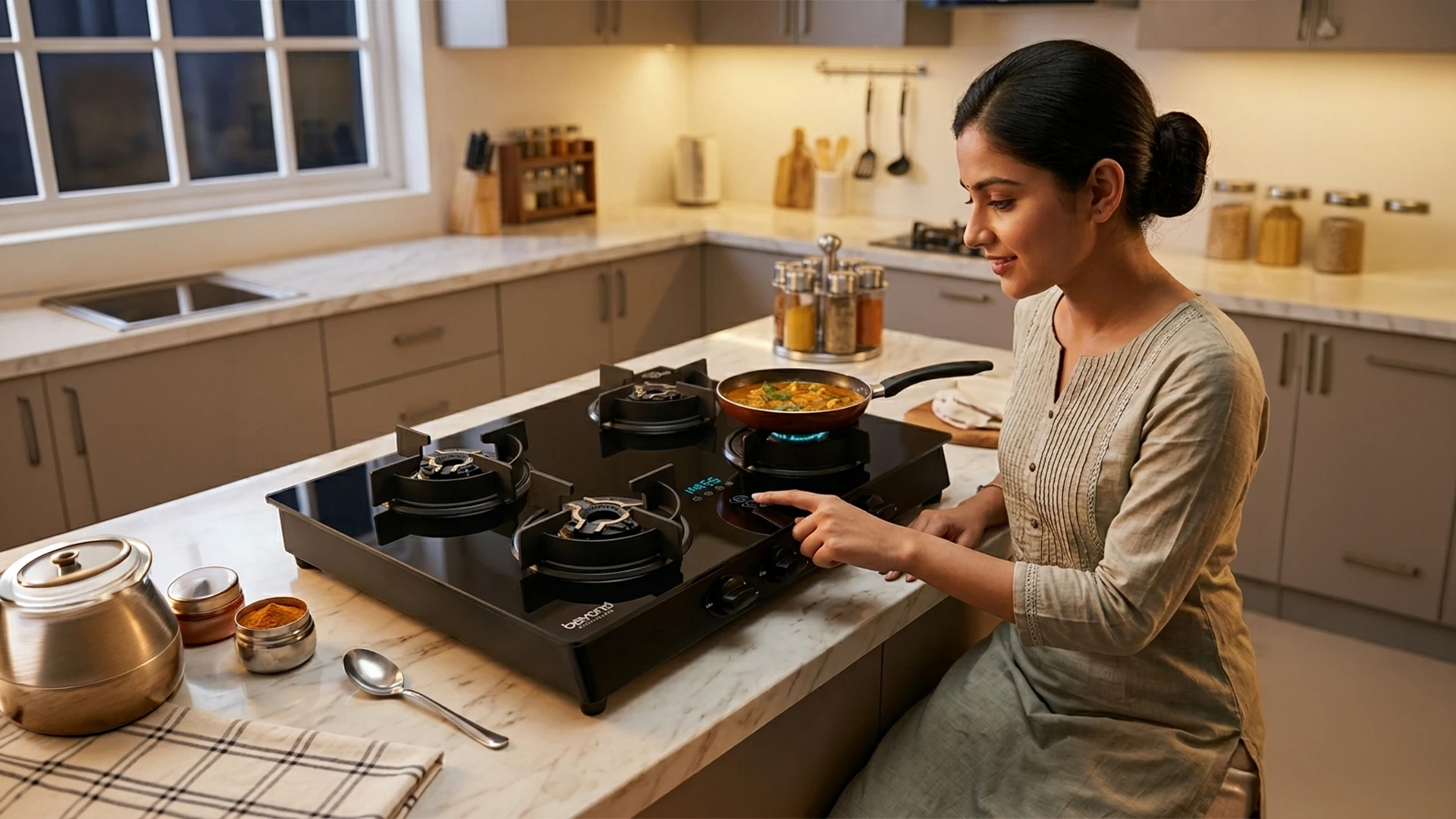
Indian kitchens are known for their aromatic spices and rich flavors, but they often come with an unwanted side effect: excessive smoke. Many home cooks struggle with smoky kitchens that can trigger respiratory issues and leave lingering odors throughout the house. The good news is that you can enjoy authentic Indian flavors while maintaining a clean, smoke-free cooking environment. Modern smoke-free cooking methods India combines traditional techniques with contemporary kitchen solutions to create healthier cooking experiences. Whether you're preparing daily meals or special occasion dishes, these methods will transform your kitchen into a more pleasant and healthier space.
Kitchen smoke poses serious health risks, especially in Indian households where cooking involves high-heat techniques and oil-based preparations. Prolonged exposure to cooking smoke can lead to respiratory problems, eye irritation, and indoor air pollution. Traditional Indian cooking often generates smoke due to high-temperature frying, tempering spices, and using excessive oil.
The primary causes of kitchen smoke include overheating oil beyond its smoke point, using wet ingredients in hot oil, and inadequate ventilation systems. Many Indian kitchens lack proper exhaust systems, making smoke management even more challenging. Understanding these factors helps you implement effective smoke free cooking strategies.
Reducing kitchen smoke exposure protects your family's respiratory health and creates a more comfortable cooking environment. Clean air in the kitchen also prevents smoke particles from settling on surfaces and reduces the need for frequent cleaning.
Contemporary Indian homes often have open kitchen designs where smoke can easily spread to living areas. This makes smoke control even more critical for maintaining a pleasant home environment.
Mastering healthy Indian cooking techniques requires understanding how to modify traditional methods without compromising flavor. These techniques focus on temperature control, ingredient preparation, and cooking sequence optimization. By implementing these methods, you can significantly reduce smoke production while maintaining authentic taste profiles.
Steam cooking works excellently for vegetables, rice dishes, and even some meat preparations. Use a steamer or pressure cooker to cook vegetables like cauliflower, carrots, and green beans without any oil.
Pressure cooking reduces cooking time and eliminates the need for high-heat methods that generate smoke. Cook dals, legumes, and tough cuts of meat using this method for tender, flavorful results.
Dry roasting spices in a heavy-bottomed pan creates intense flavors without oil. Heat the pan on medium-low temperature and add whole spices like cumin, coriander, and fennel seeds. Stir continuously until fragrant.
Water sautéing replaces oil with small amounts of water or vegetable broth. Add onions and garlic to a heated pan with 2-3 tablespoons of water, stirring frequently until softened.
Use medium to medium-low heat settings for most Indian cooking processes. High heat should only be used briefly for specific techniques like tempering spices.
Heavy-bottomed cookware distributes heat evenly and prevents hot spots that can cause burning and smoke. Invest in quality pans and pots for better heat control.
The dhungar method is a traditional Indian cooking technique that adds smoky flavor to dishes without filling your kitchen with smoke. This controlled smoking method uses a small piece of charcoal to infuse dishes with authentic smoky aroma. When done correctly, it creates restaurant-quality flavor while maintaining kitchen air quality.
Dhungar involves placing a small piece of burning charcoal in a metal bowl within your cooking pot, adding ghee or oil to create aromatic smoke, then covering the pot to trap the smoke inside. This method originated in North Indian cuisine and is commonly used for biryanis, dals, and curries.
Heat a small piece of charcoal over an open flame until it glows red. Place it in a small metal bowl or aluminum foil cup. Position this bowl in the center of your cooked dish, ensuring it doesn't touch the food directly.
Add 1-2 drops of ghee or oil over the hot charcoal. It will immediately start smoking. Quickly cover the entire pot with a tight-fitting lid and let it sit for 5-10 minutes. Remove the charcoal bowl before serving.
Always use tongs to handle hot charcoal and ensure proper ventilation in your kitchen. Never leave the charcoal unattended and have a bowl of water nearby for emergency extinguishing.
Avoid this method if you have respiratory sensitivities or in poorly ventilated kitchens. The smoke should remain contained within the cooking pot.
Investing in proper kitchen equipment significantly reduces smoke production during Indian cooking. Modern appliances offer better temperature control and ventilation solutions that make healthy kitchen living India more achievable. Quality equipment also improves cooking efficiency and food quality while maintaining a cleaner kitchen environment.
Induction cooktops provide precise temperature control and reduce the risk of overheating oils. They heat up quickly and cool down immediately when turned off, preventing residual burning that causes smoke.
Electric pressure cookers and multi-cookers offer consistent temperature control and sealed cooking environments that prevent smoke escape. These appliances are perfect for preparing dals, rice dishes, and slow-cooked curries.
Kitchen chimneys are essential for Indian cooking environments. Choose models with high suction capacity (at least 400-600 cubic meters per hour) to effectively remove cooking smoke and odors.
Position exhaust fans strategically to create cross-ventilation. Install them opposite to your cooking area to draw smoke away from the kitchen efficiently.
Non-stick cookware requires less oil and prevents food from sticking and burning. However, avoid overheating non-stick surfaces as this can release harmful fumes.
Cast iron and carbon steel pans retain heat well and provide excellent temperature control for Indian cooking techniques like tempering and sautéing.
Traditional high-smoke cooking methods can be modified to achieve similar flavors with reduced smoke production. These smokeless cooking methods focus on alternative preparation techniques that maintain authentic taste while promoting healthier cooking practices. Understanding these alternatives allows you to enjoy traditional dishes without compromising air quality.
Oven-baked tandoori recipes can replicate the flavors of traditional tandoor cooking. Marinate chicken or vegetables in yogurt-based spices and bake at high temperature (220°C) for authentic results.
Grill pans with ridged surfaces create attractive grill marks and smoky flavors without outdoor grilling. Preheat the pan and cook marinated meats or vegetables with minimal oil.
Microwave roasting offers a smoke-free alternative to traditional dry roasting. Place whole spices on a microwave-safe plate and heat in 30-second intervals, stirring between each interval.
Pre-prepared spice mixes eliminate the need for frequent roasting and grinding, reducing smoke-producing activities in your kitchen.
South Indian cooking modifications include using coconut oil at lower temperatures and incorporating more steaming techniques for dishes like idli and dhokla.
Bengali fish preparation can be adapted using gentle poaching methods instead of high-heat frying, maintaining delicate flavors while reducing smoke.
Even with preventive measures, smoke issues can arise during cooking. Quick response strategies help minimize smoke exposure and prevent it from spreading throughout your home. Understanding common causes and immediate solutions ensures you can handle unexpected smoke situations effectively while maintaining your cooking rhythm.
Turn on all available ventilation immediately when smoke appears. Open windows and doors to create cross-ventilation and help smoke escape quickly.
Reduce heat settings immediately and remove the pan from heat source if necessary. Cover smoking pans with lids to contain smoke while you address the issue.
Pre-heat pans gradually and test oil temperature with a small piece of food before adding larger quantities. This prevents sudden smoke production from overheated oil.
Pat dry all ingredients before adding them to hot oil or pans. Moisture causes oil to splatter and smoke excessively.
Clean chimney filters monthly to maintain optimal suction capacity. Grease buildup reduces efficiency and can cause smoke to linger in the kitchen.
Schedule professional chimney servicing annually to ensure all components function properly and maintain warranty coverage.
Cook without smoke by using proper ventilation, controlling cooking temperatures, and choosing appropriate cooking methods. Install a quality kitchen chimney, use medium heat settings, and opt for steaming or pressure cooking instead of high-heat frying. Dry ingredients thoroughly before cooking and use heavy-bottomed cookware for even heat distribution.
Use smoked spices like smoked paprika or chipotle powder, liquid smoke (use sparingly), or tea smoking method with black tea leaves. You can also create smoky flavors through proper tempering techniques with cumin and other aromatic spices, or use smoked salt as a finishing touch.
Use the dhungar method with proper ventilation, add a few drops of liquid smoke to the rice, or incorporate smoked spices during cooking. You can also use fried onions (birista) that have been cooked until deep golden brown, which adds a natural smoky sweetness to biryani.
Immediately turn on kitchen chimney and exhaust fans, open windows for cross-ventilation, and use a wet cloth to wave away smoke. Place bowls of white vinegar around the kitchen to absorb odors, and clean surfaces with a mixture of water and lemon juice to remove smoke residue.
Yes, the dhungar method is safe when done properly with adequate ventilation and safety precautions. Always use tongs to handle charcoal, keep water nearby for emergencies, never leave charcoal unattended, and ensure your kitchen has proper ventilation. Avoid this method if you have respiratory issues or poor kitchen ventilation.
Implementing smoke-free cooking methods India requires a combination of proper equipment, modified techniques, and safety awareness. Start with basic ventilation improvements and gradually incorporate healthier cooking methods into your routine. Remember that small changes like using appropriate heat settings and quality cookware can significantly reduce smoke production while maintaining authentic Indian flavors. With practice and the right approach, you can enjoy delicious, traditional Indian cuisine while keeping your kitchen clean and your family healthy.
