

Step-by-Step Guide to Grease-Free Indian Cooking
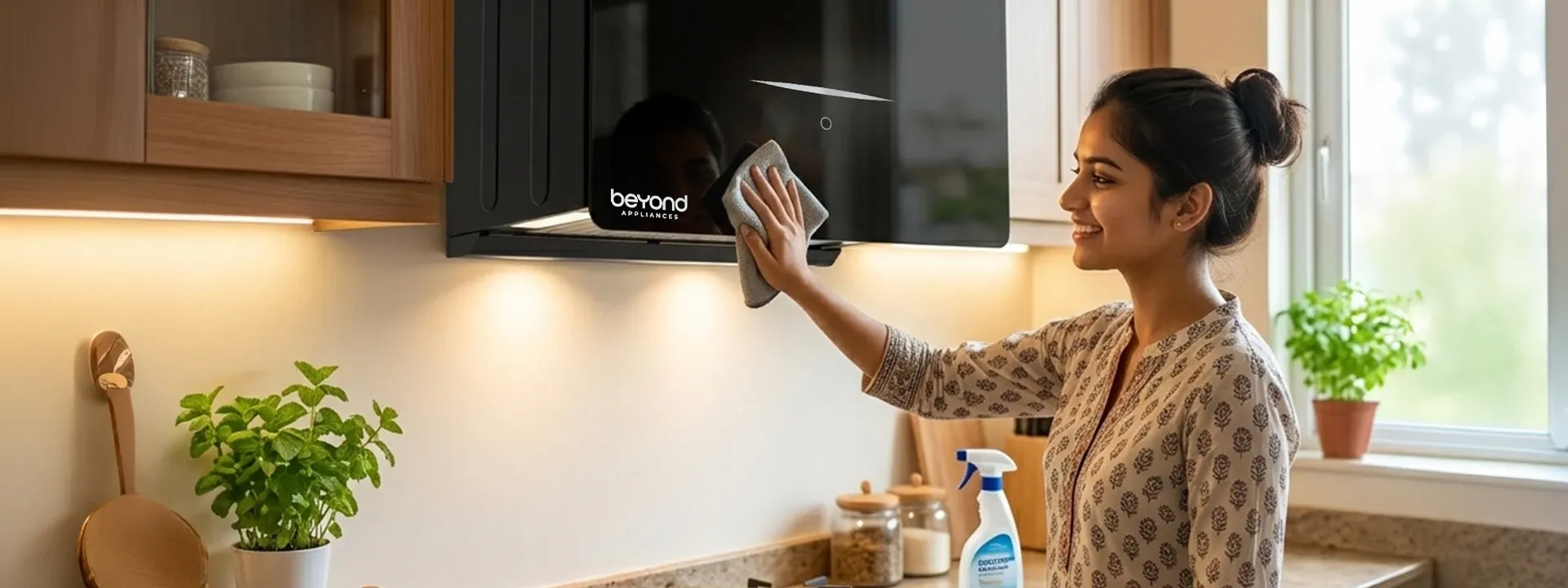
Indian cuisine is beloved worldwide for its rich flavors and aromatic spices, but traditional cooking methods often rely heavily on oil and ghee. The good news is that you can enjoy authentic Indian flavors while embracing grease-free cooking tips Indian style. This approach not only supports your health goals but also allows the natural flavors of spices and ingredients to shine through. Modern kitchen appliances like efficient chimneys and advanced cooktops make it easier than ever to cook without excess oil while maintaining proper ventilation and heat control.
Healthy Indian cooking without excess oil offers numerous advantages for your wellbeing. Reducing oil consumption helps manage weight, supports heart health, and improves digestion. Many people worry that removing oil will compromise the authentic taste of Indian dishes, but this is simply not true.
Traditional Indian cooking methods actually relied less on oil than modern preparations. Our ancestors used techniques like steaming, roasting, and slow cooking to develop deep flavors. When you cook with minimal oil, you allow the natural taste of vegetables, lentils, and spices to come forward. The result is cleaner, more vibrant flavors that feel lighter on your palate.
Mastering Indian cooking without oil requires learning a few key techniques that replace traditional oil-based methods. These methods are simple to learn and produce excellent results when done correctly.
Replace oil with water or vegetable broth when sautéing onions, garlic, and ginger. Heat your pan over medium heat and add 2-3 tablespoons of water. Add your aromatics and stir frequently. As the water evaporates, add small amounts as needed to prevent sticking. This technique caramelizes onions beautifully while keeping them tender.
Use the traditional dhum method by placing vegetables in a heavy-bottomed pot with minimal water. Cover tightly and cook on low heat. The vegetables steam in their own moisture, retaining nutrients and developing concentrated flavors. This works exceptionally well for cauliflower, potatoes, and green beans.
Toast whole spices in a dry pan over medium heat until fragrant. This releases essential oils naturally without adding cooking oil. Grind these roasted spices fresh for maximum flavor impact in your dishes.
Creating satisfying low oil Indian recipes becomes easier when you understand how to build flavors through layering techniques. Focus on using ingredients that naturally provide richness and depth.
Cook lentils with turmeric, salt, and water until tender. For the tadka, heat a pan and add cumin seeds, letting them sizzle in their own oils. Add chopped onions with a splash of water, then ginger-garlic paste, tomatoes, and spices. This creates a flavorful base without any added oil.
Start with a tomato-onion base cooked using water sautéing. Blend soaked cashews or coconut with water to create creamy gravies. Add vegetables and simmer until tender. Fresh herbs like cilantro and mint added at the end provide bright, fresh flavors.
Marinate chicken in yogurt, ginger-garlic paste, and spices for at least 30 minutes. Cook in a covered pan with minimal water, allowing the chicken to steam in its own juices. The yogurt tenderizes the meat while adding tangy flavor.
The right cookware makes grease free Indian food preparation much easier. Quality non-stick pans prevent sticking without oil, while proper ventilation keeps your kitchen comfortable during cooking.
Invest in good quality non-stick pans with thick bottoms for even heat distribution. Ceramic or hard-anodized surfaces work well for oil-free cooking. Always preheat your pan properly before adding ingredients to prevent sticking.
Pressure cookers excel at oil-free cooking by using steam and pressure to cook food quickly while retaining nutrients. They work perfectly for dal, rice, and vegetable preparations.
Developing complex flavors in oil free Indian cuisine requires understanding how different ingredients contribute to taste. Focus on building layers of flavor through proper spice usage and cooking techniques.
Create custom spice blends by dry roasting and grinding whole spices. Combine coriander seeds, cumin, fennel, and black peppercorns for a versatile base. Add this mixture to dishes during cooking for deep, complex flavors.
Use coconut milk for richness in South Indian dishes. Tomato puree adds body to gravies while providing natural acidity. Yogurt works as both a marinade and cooking medium, adding tanginess and helping tenderize proteins.
Planning your meals helps you maintain consistency with healthy Indian food tips while ensuring variety in your diet. Prepare spice pastes and bases in advance to save time during busy weekdays.
Monday: Moong dal with steamed rice and dry-roasted vegetables. Tuesday: Chickpea curry with whole wheat rotis. Wednesday: Vegetable biryani cooked with minimal ghee. Thursday: Palak paneer made with cashew cream. Friday: Fish curry in coconut milk. Saturday: Mixed vegetable sambar with brown rice. Sunday: Chicken tikka with mint chutney.
Prepare ginger-garlic paste, onion paste, and tomato puree in batches. Store in ice cube trays for easy portioning. Cook large batches of dal and freeze in meal-sized portions. Pre-cut vegetables and store properly to save daily prep time.
Use proper non-stick cookware and ensure it's adequately preheated. Add small amounts of water or broth as needed during cooking. Stir frequently and maintain appropriate heat levels to prevent burning.
Water, vegetable broth, coconut milk, or even the natural oils from roasted spices can replace oil in tempering. Heat the pan first, then add spices directly to release their natural oils.
Yes, many sweets can be adapted using alternatives like coconut oil, nut butters, or fruit purees. The texture may differ slightly, but the flavors remain delicious and satisfying.
Store in airtight containers in the refrigerator for up to 3 days. When reheating, add a splash of water or broth to prevent drying out. Gentle reheating preserves flavors and textures better than high heat.
Dal preparations, steamed vegetables, yogurt-based curries, and pressure-cooked dishes adapt excellently to oil-free cooking. Rice dishes, lentil-based snacks, and most vegetable curries also work well.
Embracing grease-free cooking tips Indian style opens up a world of healthier eating without sacrificing the flavors you love. These techniques require some practice, but the results are worth the effort. Your body will feel lighter, your energy levels may improve, and you'll discover new depths of flavor in familiar dishes. Remember that cooking is a journey of continuous learning, so be patient with yourself as you master these oil-free methods. With proper equipment, quality ingredients, and these proven techniques, you can create satisfying Indian meals that nourish both body and soul.
