

Stainless Steel vs Aluminum: Chimney Filter Battle
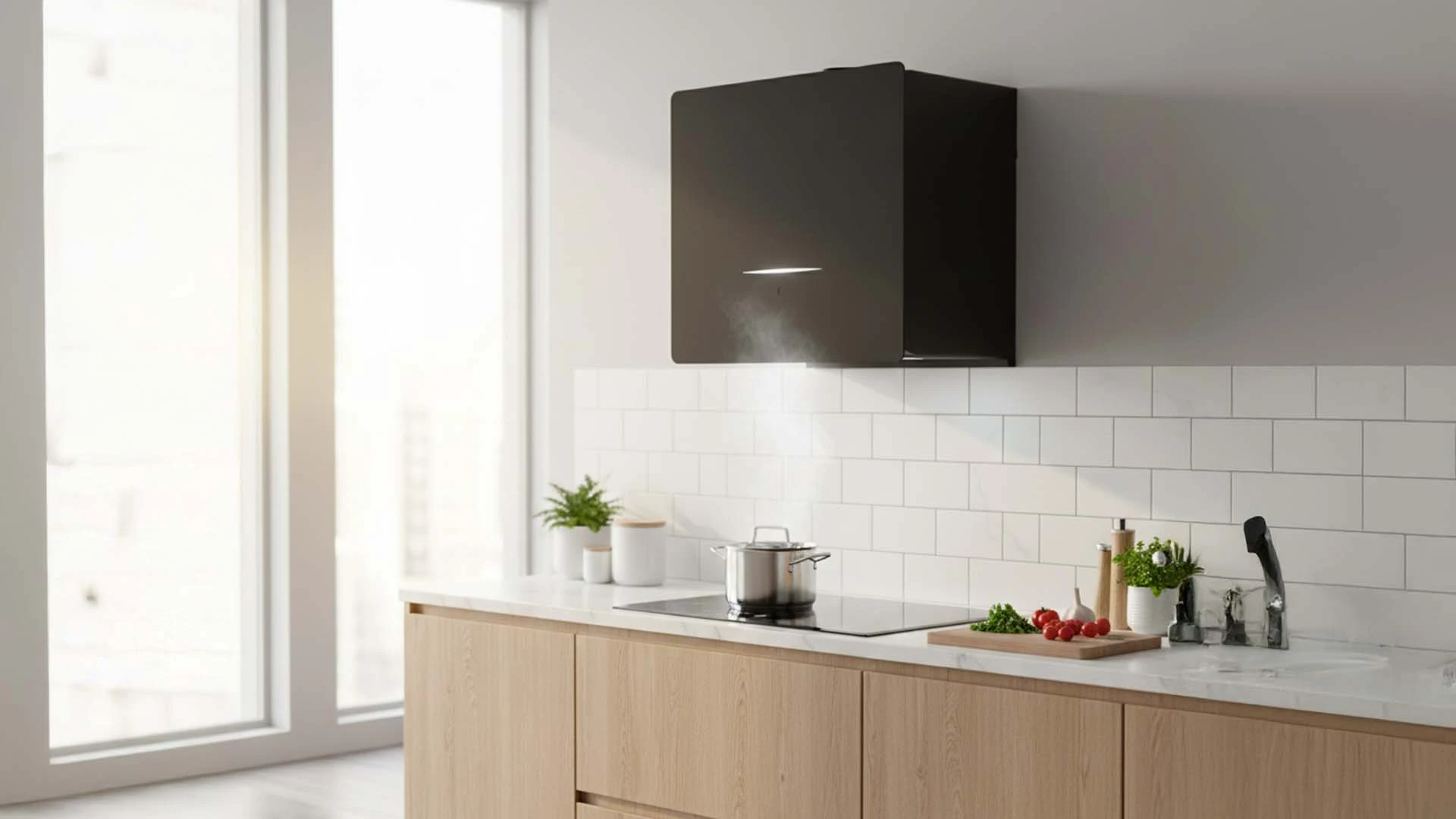
Choosing the right chimney filter materials comparison stainless vs aluminium can make or break your kitchen's air quality and cooking experience. Your chimney filter acts as the first line of defense against grease, smoke, and cooking odors. The material you choose affects everything from cleaning frequency to long-term costs. While both stainless steel and aluminum filters serve the same basic purpose, their performance characteristics differ significantly. Understanding these differences helps you make an informed decision that matches your cooking style, budget, and maintenance preferences.
Chimney filter materials form the backbone of effective kitchen ventilation systems. These metal chimney filters trap grease particles, smoke, and cooking vapors before they spread throughout your home. The material composition directly impacts filtration efficiency, durability, and maintenance requirements. Quality chimney filter materials ensure optimal air circulation while protecting your kitchen walls and ceiling from grease buildup. Poor filter materials can lead to reduced suction power, frequent replacements, and inadequate odor control. The choice between materials also affects your chimney's overall performance and lifespan.
Effective kitchen chimney filters remove up to 95% of cooking particles from the air. They prevent grease accumulation on kitchen surfaces and reduce lingering food odors. Quality filters also protect the chimney motor from damage caused by grease buildup.
Proper filtration maintains a comfortable cooking environment by eliminating smoke and steam. This creates better visibility while cooking and prevents clothes and hair from absorbing cooking smells. Good filters also reduce the need for additional air fresheners or ventilation.
Stainless steel chimney filter options represent the premium segment of kitchen ventilation. These filters offer superior durability and corrosion resistance compared to other materials. The manufacturing process involves multiple layers of stainless steel mesh that create effective grease traps. Stainless steel filters typically use 304 or 316 grade steel, with 316 offering enhanced corrosion resistance. The material's non-porous surface prevents bacteria growth and makes cleaning more effective. These filters maintain their structural integrity even under high-temperature cooking conditions.
Grade 304 stainless steel contains 18% chromium and 8% nickel, providing excellent corrosion resistance for most kitchen environments. Grade 316 adds molybdenum for enhanced protection against acidic cooking vapors. The mesh design creates multiple filtration layers that trap particles of various sizes.
Stainless steel filters achieve 90-95% grease filtration efficiency in optimal conditions. They handle high-heat cooking without warping or losing structural integrity. The material's thermal conductivity helps dissipate heat effectively, protecting the chimney motor.
Cleaning frequency ranges from weekly to monthly depending on cooking intensity. Hot water and degreasing agents effectively remove accumulated grease. The non-reactive surface prevents chemical damage during cleaning processes.
Aluminum chimney filter designs focus on lightweight construction and cost-effectiveness. These filters use aluminum alloys that provide adequate filtration while remaining budget-friendly. The material's natural properties make it suitable for moderate cooking environments. Aluminum filters weigh significantly less than stainless steel alternatives, reducing strain on chimney mounting systems. The material's thermal conductivity helps with heat dissipation, though not as effectively as stainless steel. Manufacturing costs remain lower, making these filters more accessible to budget-conscious consumers.
Aluminum alloys typically contain 95-99% pure aluminum with small amounts of other metals for strength. The mesh structure uses thinner gauge material compared to stainless steel. Manufacturing processes focus on cost efficiency while maintaining basic filtration standards.
Aluminum filters achieve 80-85% grease capture efficiency under normal cooking conditions. Heat dissipation properties help prevent excessive temperature buildup. Performance varies significantly based on cooking methods and frequency of use.
Cleaning requirements increase due to aluminum's tendency to retain grease particles. Dishwasher compatibility varies by manufacturer and alloy composition. Replacement frequency typically increases compared to stainless steel options.
The chimney filter materials comparison reveals significant differences in performance, cost, and longevity. Stainless steel filters excel in durability and filtration efficiency but come with higher upfront costs. Aluminum filters offer budget-friendly entry points but may require more frequent maintenance and replacement. Real-world performance data shows stainless steel filters lasting 3-5 years with proper maintenance, while aluminum filters typically need replacement every 1-2 years. The choice depends on your cooking frequency, budget constraints, and maintenance preferences.
Stainless steel resists warping, corrosion, and structural damage better than aluminum. Temperature fluctuations cause minimal impact on stainless steel performance. Aluminum filters may develop weak spots and require earlier replacement under heavy use.
Initial costs for stainless steel filters range from INR 800-2000, while aluminum options cost INR 300-800. Long-term value favors stainless steel due to extended lifespan. Total ownership costs often equalize over 3-4 years of use.
Stainless steel requires less frequent deep cleaning due to superior grease release properties. Aluminum filters need more aggressive cleaning methods and higher frequency. Installation and removal processes remain similar for both materials.
Stainless steel achieves 5-10% higher filtration efficiency than aluminum alternatives. Airflow resistance remains lower with stainless steel due to better mesh design. Heat handling capabilities favor stainless steel in high-temperature cooking environments.
Selecting appropriate chimney filter types requires careful consideration of your specific cooking patterns and kitchen environment. Heavy cooking with oils and spices demands more robust filtration materials. Light cooking may allow for cost-effective aluminum options without significant performance compromise. Budget considerations should include both initial purchase price and long-term replacement costs. Kitchen ventilation system compatibility affects filter performance regardless of material choice. Weight restrictions may influence material selection in certain installation scenarios.
Indian cooking with heavy oil usage benefits from stainless steel's superior grease handling. Frequent frying and high-heat cooking favor durable materials. Occasional cooking may not justify premium material costs.
Initial investment differences become less significant over time with proper maintenance. Performance-to-price ratios favor stainless steel for frequent cooking. Budget constraints may necessitate aluminum filters with more frequent replacement planning.
High humidity environments benefit from stainless steel's corrosion resistance. Temperature extremes affect aluminum performance more significantly. Ventilation system capacity influences optimal filter material selection.
Stainless steel chimney filters handle Indian cooking's high oil content and spice usage more effectively. The material's superior grease filtration and heat resistance make it ideal for frequent frying and high-temperature cooking common in Indian kitchens.
Cleaning frequency depends on cooking intensity and filter material. Stainless steel filters need cleaning every 2-3 weeks with moderate use, while aluminum filters require weekly cleaning. Heavy cooking may necessitate more frequent maintenance for both materials.
Most aluminum filters are dishwasher-safe, but check manufacturer specifications. Use gentle cycles and avoid harsh detergents that may cause discoloration. Hand washing often provides better results and extends filter lifespan.
Stainless steel filters last 3-5 years with proper maintenance, while aluminum filters typically need replacement every 1-2 years. Actual lifespan varies based on cooking frequency, maintenance quality, and environmental factors.
For frequent cooking, stainless steel filters provide better long-term value through extended lifespan and superior performance. Light cooking may not justify the premium, making aluminum a cost-effective choice.
The choice between stainless steel and aluminum chimney filters ultimately depends on your specific needs, cooking habits, and budget. Stainless steel offers superior durability, filtration efficiency, and long-term value for serious home cooks. Aluminum provides an affordable entry point for light cooking needs. Consider your cooking frequency, maintenance preferences, and total cost of ownership when making this important kitchen ventilation decision. Regular maintenance remains crucial regardless of material choice for optimal performance and longevity.
