

Solve Small Kitchen Ventilation: A Complete Guide
Small kitchens face unique challenges when it comes to maintaining proper air quality and ventilation. Limited space, concentrated cooking activities, and restricted airflow can quickly turn your compact cooking area into an uncomfortable environment filled with smoke, odors, and excess humidity. Understanding how to address ventilation problems in small kitchens is essential for creating a healthy, comfortable cooking space that you'll actually enjoy using. Whether you're dealing with persistent cooking smells, visible smoke during meal preparation, or simply want to improve your kitchen's air quality, the right ventilation solutions can transform your small kitchen into a well-ventilated, pleasant cooking environment.
Poor kitchen ventilation creates a cascade of problems that affect both your comfort and health. In small spaces, these issues become magnified due to the concentrated nature of cooking activities and limited air circulation. Recognizing the signs of inadequate ventilation is the first step toward creating effective solutions. Small kitchens present unique challenges that larger spaces don't face. The compact nature of these cooking areas means that cooking fumes, heat, and moisture have nowhere to disperse naturally, leading to a buildup of airborne contaminants that can affect your entire home.
Persistent cooking odors that linger long after meal preparation indicate insufficient air exchange in your kitchen. These smells can penetrate fabrics, furniture, and even adjacent rooms, creating an unpleasant living environment. Excessive kitchen humidity and condensation on windows, walls, and cabinets signal that moisture from cooking isn't being properly removed from the air.
Limited airflow due to compact space design restricts natural air circulation patterns. Small kitchens often lack sufficient windows or openings to create effective cross-ventilation. The higher concentration of cooking fumes in a confined area means that even normal cooking activities can quickly overwhelm inadequate ventilation systems.
Effective small kitchen ventilation requires a strategic approach that maximizes airflow within space constraints. The key is selecting solutions that provide adequate air exchange without overwhelming your limited kitchen real estate. Modern ventilation technology offers several options specifically designed for compact cooking spaces. Proper ventilation solutions address both immediate air quality concerns and long-term health considerations. The right system will remove cooking fumes, control humidity, and maintain comfortable temperatures while operating efficiently in your small space.
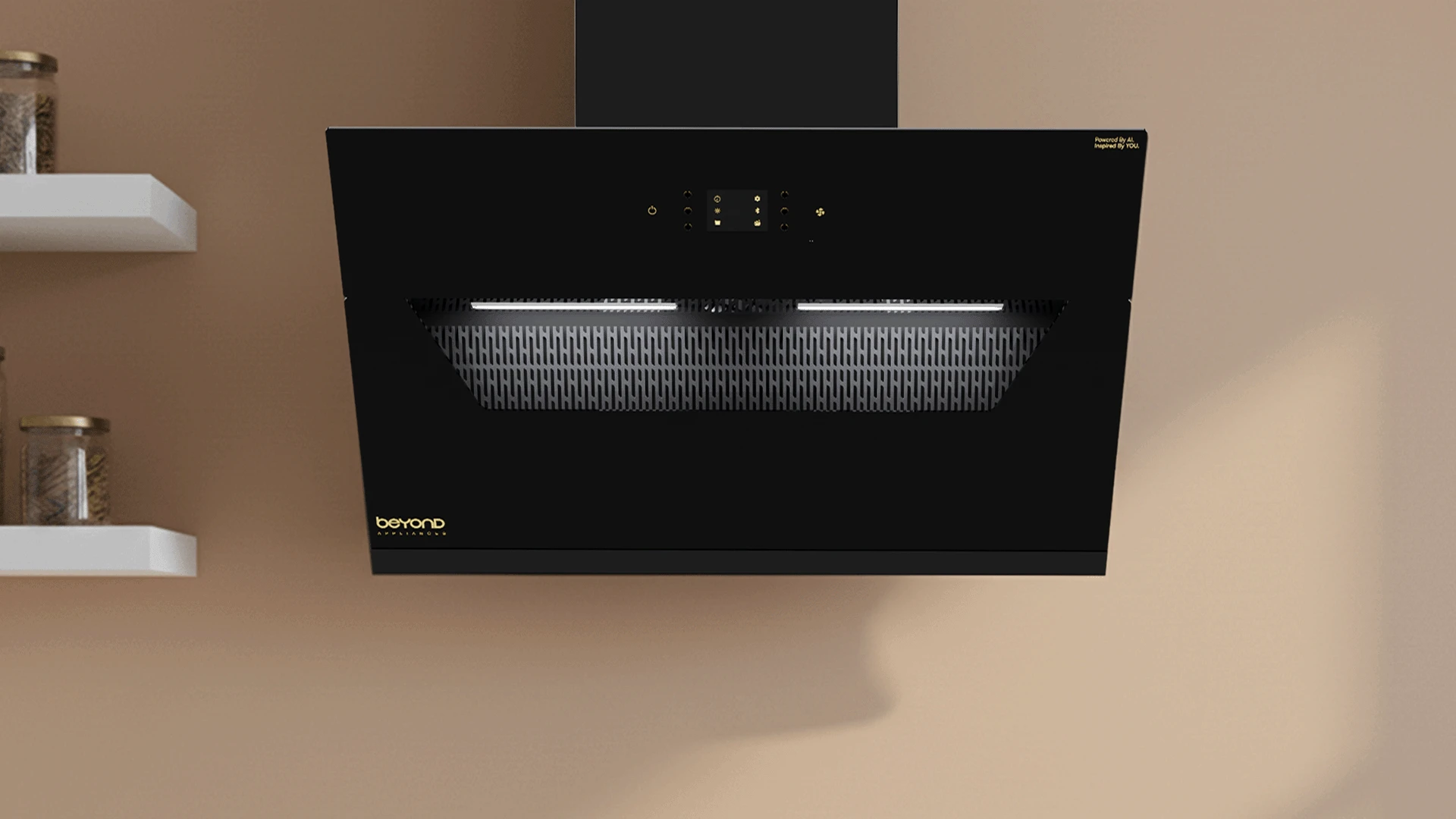
Choosing the right size range hood for small kitchens requires balancing effectiveness with space constraints. A hood that's too large can overwhelm your kitchen visually and functionally, while an undersized unit won't provide adequate ventilation. Android Chimneys and T-Shaped Chimneys offer excellent options for different small kitchen layouts, providing powerful suction in compact designs.
Strategic window placement and opening techniques can significantly improve kitchen air quality without requiring major installations. Cross-ventilation setup involves creating airflow pathways that allow fresh air to enter while pushing contaminated air out. Even small windows can be effective when used properly in conjunction with mechanical ventilation systems.
Inline exhaust fans provide powerful ventilation in tight spaces where traditional range hoods might not fit. Ductless Chimneys offer installation flexibility for kitchens where ductwork isn't feasible. These systems filter and recirculate air, removing odors and grease particles without requiring external venting.
Immediate improvements to your kitchen air quality don't always require professional installation or expensive equipment. Simple changes to your cooking habits and strategic use of existing ventilation can provide noticeable improvements while you plan for more comprehensive solutions. These quick fixes can serve as temporary measures or complement more permanent ventilation installations. Understanding how air moves through your kitchen helps you make the most of available ventilation options.
Opening windows during and after cooking creates natural air exchange that helps remove cooking fumes and odors. Using portable fans strategically can enhance this natural airflow by directing contaminated air toward exits and drawing fresh air into the cooking area. Creating airflow pathways through your home allows kitchen air to circulate more effectively.
Installing window exhaust fans provides mechanical air removal without major kitchen modifications. These units can be particularly effective in small kitchens where space for traditional range hoods is limited. Sealing air leaks that disrupt ventilation helps existing systems work more efficiently by preventing unwanted air infiltration.
While DIY solutions can provide immediate relief, comprehensive ventilation problems often require professional expertise. Complex installations, electrical work, and building code compliance issues are best handled by experienced technicians who understand both ventilation principles and local requirements. Professional installation ensures that your ventilation system operates at peak efficiency and meets all safety standards. This investment in proper installation pays dividends in system performance and longevity.
Complex ductwork requirements often exceed DIY capabilities, particularly in small kitchens where space constraints complicate installation. Electrical work for new installations requires professional expertise to ensure safety and code compliance. Curved Chimneys and Slant or Inclined Chimneys may require specialized installation techniques that professionals can execute safely.
Smart ventilation systems with sensors automatically adjust fan speed based on cooking activity and air quality measurements. These systems optimize energy efficiency while maintaining excellent air quality. Integration with home automation systems allows for coordinated ventilation control throughout your home.
Regular maintenance ensures that your ventilation system continues to operate effectively over time. Small kitchen ventilation systems often work harder than those in larger spaces, making consistent maintenance even more critical for sustained performance. Proper maintenance extends equipment life and maintains optimal air quality in your kitchen. Understanding basic maintenance tasks helps you identify potential problems before they become major issues.
Cleaning range hood filters and ducts removes grease buildup that can reduce system efficiency and create fire hazards. Checking fan motor performance ensures that your system maintains adequate suction power. Regular inspection of ductwork helps identify blockages or damage that could compromise ventilation effectiveness.
Weak suction and reduced airflow often indicate dirty filters or blocked ducts that need cleaning. Excessive noise during operation may signal worn bearings or unbalanced fan blades requiring professional attention. Grease accumulation in the system reduces efficiency and requires thorough cleaning to restore proper function.
Effective kitchen ventilation directly impacts your health and comfort while cooking and living in your home. Poor air quality from inadequate ventilation can cause both immediate discomfort and long-term health concerns that proper ventilation systems can prevent. Creating a healthy kitchen environment benefits your entire household by improving indoor air quality and reducing exposure to cooking-related pollutants. The investment in proper ventilation pays dividends in improved comfort and health outcomes.
Removing cooking fumes and pollutants prevents these contaminants from spreading throughout your home. Controlling kitchen humidity levels reduces the risk of mold and mildew growth that can affect respiratory health. Reducing airborne grease particles protects both your health and your home's surfaces from contamination.
Eliminating cooking odors effectively makes your kitchen more pleasant to use and prevents odors from affecting other areas of your home. Preventing respiratory irritation from cooking fumes is particularly important in small kitchens where exposure concentrations can be higher. Maintaining comfortable cooking temperatures encourages more frequent home cooking and healthier eating habits.
Start by installing a properly sized range hood or chimney system that matches your cooking needs. Ensure adequate ductwork or consider ductless options if external venting isn't possible. Open windows during cooking and use supplemental exhaust fans to enhance airflow. Regular maintenance of existing systems also improves performance significantly.
For small kitchens, choose a hood that covers the entire cooking surface with 3 inches of overhang on each side. The CFM rating should be 100-150 for basic cooking or up to 400 CFM for frequent high-heat cooking. Consider the hood's depth and height to ensure it fits your space without overwhelming the kitchen visually.
Yes, ductless chimneys are excellent solutions for small kitchens without external venting options. These systems use charcoal and grease filters to clean air before recirculating it back into the kitchen. While not as effective as ducted systems, they provide significant improvement over no ventilation.
Clean grease filters monthly or more frequently with heavy cooking. Professional duct cleaning should occur annually for ducted systems. Replace charcoal filters in ductless systems every 3-6 months depending on usage. Regular cleaning maintains efficiency and prevents fire hazards from grease buildup.
Persistent cooking odors, visible smoke during normal cooking, excessive humidity, grease buildup on surfaces, and health symptoms like sore throats or headaches indicate poor ventilation. Reduced suction from your range hood or unusual noise during operation also signal maintenance needs.
Solving ventilation problems in small kitchens requires a combination of proper equipment selection, strategic installation, and consistent maintenance. Whether you choose ducted or ductless solutions, the key is matching your ventilation system to your cooking habits and space constraints. Regular maintenance ensures optimal performance and extends equipment life. Professional installation and consultation can help you navigate complex requirements and ensure code compliance. With the right approach, even the smallest kitchen can maintain excellent air quality and provide a comfortable cooking environment for years to come.
