

Smoke Extraction at Home: Essential FAQ Guide
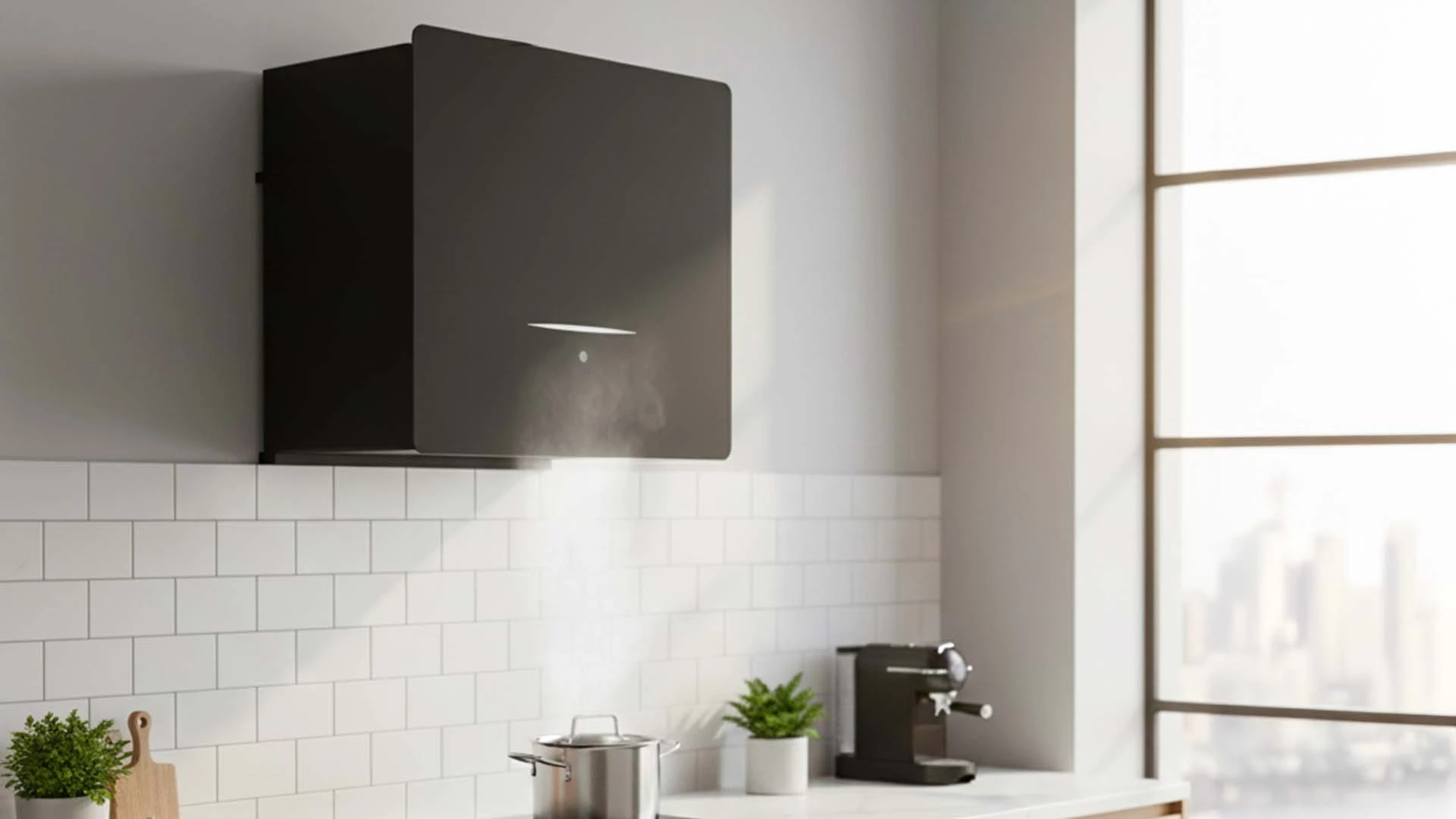
Good indoor air quality is essential for a healthy home environment. Smoke from cooking, fireplaces, or other sources can quickly compromise the air you breathe daily. Whether you're dealing with kitchen fumes or need comprehensive smoke removal solutions, understanding your options helps create a cleaner, safer living space. Modern homes require effective ventilation systems to maintain fresh air circulation and protect family health from harmful particles and odors.
Smoke extraction for home environments involves removing airborne particles, gases, and odors that result from various indoor activities. These systems work by capturing contaminated air and either filtering it clean or exhausting it outdoors. Proper indoor air quality management prevents health issues like respiratory problems, headaches, and long-term exposure effects. Common smoke sources in homes include cooking activities, fireplaces, wood stoves, and occasionally cigarettes. Kitchen activities produce the most frequent smoke and fumes, making effective fume extraction crucial for daily comfort. Poor ventilation allows these contaminants to accumulate, creating unpleasant odors and potential health risks. Effective smoke removal systems provide immediate benefits including cleaner air, reduced odors, and protection for furniture and walls from smoke damage. Long-term advantages include better respiratory health, reduced cleaning requirements, and improved home value through proper ventilation infrastructure.
Kitchen ventilation systems serve as the primary defense against cooking-related smoke and odors. A quality range hood captures steam, grease particles, and smoke directly at the source before they spread throughout your home. Modern range hoods come in various styles including wall-mounted, island, and under-cabinet designs to suit different kitchen layouts.
Ducted range hoods provide superior performance by exhausting air directly outdoors. These systems typically offer CFM ratings between 200-1200, with higher ratings suitable for larger kitchens or heavy cooking. Ductless models recirculate air through filters, making them suitable for apartments or homes where ducting isn't possible.
Calculate your kitchen's CFM requirements by considering room size, ceiling height, and cooking habits. Professional installation ensures proper ductwork, electrical connections, and optimal performance. Regular maintenance including filter cleaning and replacement keeps your cooking exhaust system operating efficiently.
Air purifiers complement kitchen ventilation by providing additional smoke removal throughout your home. These devices use various filtration technologies to capture particles and neutralize odors. HEPA filters excel at removing fine particles, while activated carbon filters target gases and odors effectively.
HEPA filters remove 99.97% of particles 0.3 microns or larger, including smoke particles and allergens. Activated carbon filters absorb gases, odors, and volatile organic compounds. Combined filtration systems offer comprehensive air filtration for maximum effectiveness against smoke contamination.
Choose air purifiers based on room size and air change requirements. Portable units work well for single rooms, while whole-house systems integrate with existing HVAC infrastructure. Strategic placement near smoke sources maximizes effectiveness and ensures optimal air circulation patterns.
Comprehensive ventilation systems address smoke extraction needs throughout your entire home. Whole-house ventilation creates positive air pressure, preventing outdoor pollutants from entering while exhausting indoor contaminants. These systems work continuously to maintain fresh air circulation. Bathroom exhaust fans remove humidity and occasional smoke from candles or personal care products. Basement ventilation prevents smoke accumulation from workshops, storage areas, or mechanical equipment. Proper ventilation in these areas contributes to overall indoor air quality improvement.
Modern ventilation systems include smart controls that automatically adjust based on air quality sensors. These systems detect smoke, humidity, and other contaminants, activating extraction fans as needed. Programmable timers and remote controls provide convenient operation and energy efficiency.
When smoke fills your home unexpectedly, immediate action helps minimize damage and health risks. Quick smoke removal techniques can clear air rapidly while protecting your family and belongings. These emergency strategies work alongside permanent ventilation systems. Open windows and doors strategically to create cross-ventilation patterns. Position fans to push smoky air outdoors rather than circulating it within rooms. Turn off HVAC systems temporarily to prevent smoke distribution through ductwork.
Smoke particles settle on surfaces, requiring thorough cleaning to eliminate lingering kitchen odors. Wipe down walls, furniture, and fabrics with appropriate cleaning solutions. Replace HVAC filters immediately after smoke events to prevent recirculation of contaminated air.
Effective smoke extraction systems can significantly improve air quality within 15-30 minutes, depending on room size and system capacity. Range hoods capture smoke immediately at the source, while air purifiers may take longer to filter entire room volumes.
Calculate 100 CFM per linear foot of cooktop width as a starting point. Add 100 CFM for each additional 10,000 BTU of gas burner output. Kitchens with high ceilings or heavy cooking may require higher CFM ratings for effective ventilation.
Air purifiers significantly reduce smoke particles and odors but work best when combined with source extraction like range hoods. HEPA and activated carbon filters together provide comprehensive smoke removal for most residential applications.
Range hood grease filters require cleaning every 1-2 months with regular cooking. Air purifier HEPA filters typically last 6-12 months, while carbon filters need replacement every 3-6 months depending on usage and smoke exposure levels.
Basic range hoods start around INR 15,000, while premium models cost INR 80,000 or more. Portable air purifiers range from INR 8,000 to INR 60,000. Whole-house ventilation systems typically cost INR 1,50,000 to INR 5,00,000 including installation.
Range hoods requiring ductwork and electrical connections need professional installation for safety and optimal performance. Portable air purifiers are plug-and-play devices. Whole-house systems always require professional design and installation.
Effective smoke extraction for home environments requires a multi-layered approach combining source capture, air filtration, and proper ventilation. Kitchen range hoods provide the most important first line of defense against cooking-related smoke and odors. Air purifiers offer additional protection throughout your home, while comprehensive ventilation systems ensure continuous air quality maintenance. Regular maintenance and proper sizing ensure optimal performance from all smoke extraction equipment. Investment in quality systems pays dividends through improved health, comfort, and home value over time.
